Công ty Hải Đức Bột với hơn 10 năm kinh nghiệm vận chuyển khí, cung cấp hệ thống‑thiết bị‑quạt gió và nhận dự án tổng thầu bột cả nước
Efficient handling of bulk powders is a critical challenge in many industrial processes, from manufacturing to material processing. The choice of conveying method can significantly impact operational efficiency, product quality, and overall cost-effectiveness. Among the various options available, pneumatic conveying stands out as a versatile and effective solution for transporting small powders, or "small materials," as they are often referred to in industry. This article explores the different types of powder conveying methods and introduces HeadPowder's advanced pneumatic conveying solutions, designed to meet the specific needs of modern industrial applications.
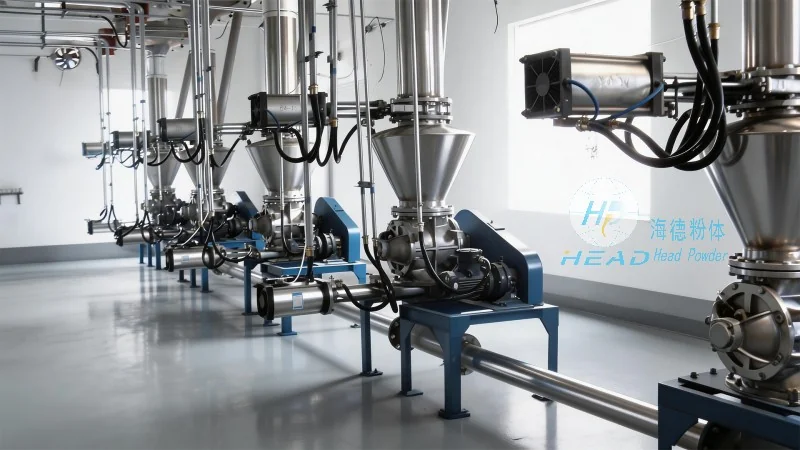
Key Powder Conveying Methods and Their Applications
Before delving into the specifics of pneumatic conveying, it's essential to understand the primary methods used for powder transport. The most common approaches include mechanical conveying (such as screw conveyors, belt conveyors, and bucket elevators) and pneumatic conveying. Mechanical systems rely on physical force to move materials, while pneumatic systems use air or gas to transport powders through a pipeline. Each method has its advantages and limitations, making the selection process dependent on factors like material properties, distance, and throughput requirements.
Advantages of Pneumatic Conveying for Small Powders
Pneumatic conveying offers several advantages that make it particularly suitable for handling small powders. Unlike mechanical systems, which can cause particle degradation or segregation due to friction and vibration, pneumatic systems minimize these risks by using air to move materials gently. This results in better product quality and reduced waste. Additionally, pneumatic conveying allows for flexible system designs, enabling the integration of multiple process steps, such as blending, drying, and packaging, within a single pipeline. The ability to transport powders over long distances without the need for intermediate storage or transfer points also enhances operational efficiency.
HeadPowder's Pneumatic Conveying Solutions: Design and Features
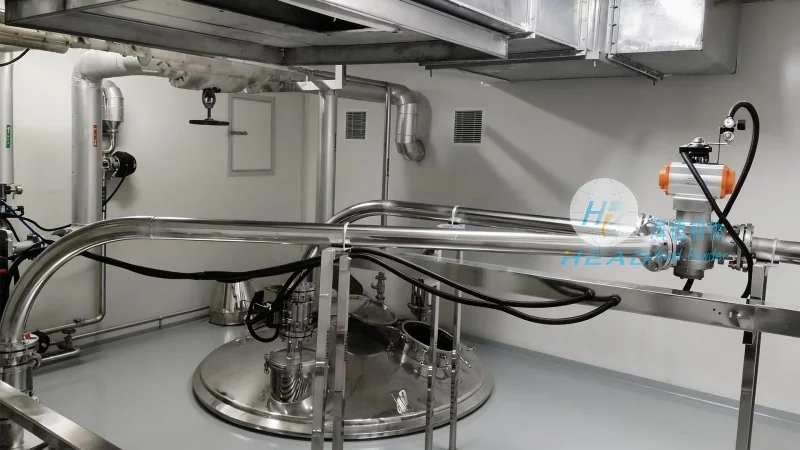
Shandong HeadPowder Engineering Co., Ltd., commonly known as HeadPowder, specializes in the design, manufacturing, and implementation of advanced pneumatic conveying systems tailored for small powder applications. The company's solutions are engineered to address the unique challenges of powder handling, ensuring reliable and efficient transport while maintaining product integrity. Key features of HeadPowder's systems include:
Customizable pipeline configurations to accommodate varying material properties and flow rates.
Advanced control systems that optimize air pressure and flow, reducing energy consumption and improving system performance.
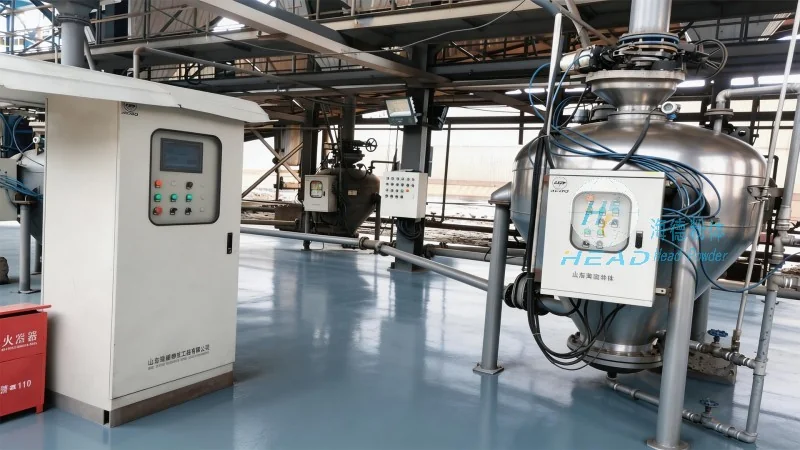
Robust material handling components, such as rotary valves and airlocks, designed to prevent material buildup and ensure smooth operation.
Integration capabilities with existing industrial processes, allowing seamless incorporation into current workflows without major disruptions.
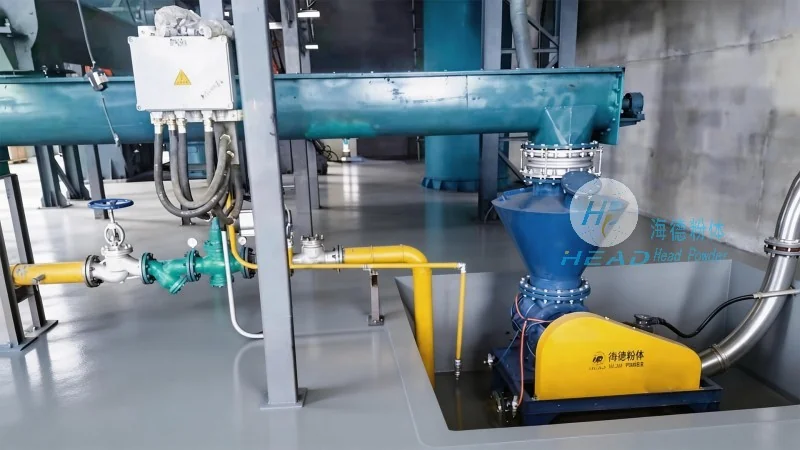
Applications of HeadPowder's Pneumatic Conveying Systems
HeadPowder's pneumatic conveying solutions are widely used across various industries, including pharmaceuticals, food processing, chemical manufacturing, and mining. In the pharmaceutical industry, for example, the systems are employed to transport active pharmaceutical ingredients (APIs) and excipients with strict purity requirements, ensuring that the final product meets regulatory standards. In the food industry, the gentle handling of powders prevents contamination and maintains the quality of ingredients, which is crucial for consumer safety and brand reputation. The chemical industry benefits from the ability to handle abrasive and corrosive powders without damaging the conveying equipment, extending the system's lifespan and reducing maintenance costs.
Conclusion: Choosing the Right Powder Conveying Solution
When selecting a powder conveying method, it is essential to consider the specific characteristics of the material, the operational requirements, and the long-term goals of the organization. While mechanical systems may be suitable for some applications, pneumatic conveying, particularly with advanced solutions from HeadPowder, offers superior performance and flexibility for small powder handling. By leveraging HeadPowder's expertise and innovative technology, industries can enhance their material handling processes, improve product quality, and achieve greater operational efficiency. Whether you are looking to upgrade an existing system or design a new one from scratch, HeadPowder provides the comprehensive solutions needed to meet your powder conveying needs.

 Công ty TNHH Kỹ thuật Công trình Bột Hải Đức Sơn Đông
 156-6277-7102(Quản lý Trương)
  0531-83386006
  Quận Chương Khâu, Thành phố Tế Nam, Tỉnh Sơn Đông, Trung Quốc
Điện thoại
WeChatTư vấn
Lên đầu