Công ty Hải Đức Bột với hơn 10 năm kinh nghiệm vận chuyển khí, cung cấp hệ thống‑thiết bị‑quạt gió và nhận dự án tổng thầu bột cả nước
Wheat bran, a byproduct of the milling process, is a valuable ingredient in various industries, including animal feed, food production, and biofuel manufacturing. Efficient and reliable transportation of wheat bran is crucial for maintaining production efficiency and product quality. Traditional conveying methods, such as belt conveyors or screw conveyors, may face challenges with material handling, especially when dealing with light, dusty, or abrasive materials like wheat bran. This article explores the different conveying methods available for wheat bran and introduces HeadPowder's advanced pneumatic conveying solutions designed to address these challenges.
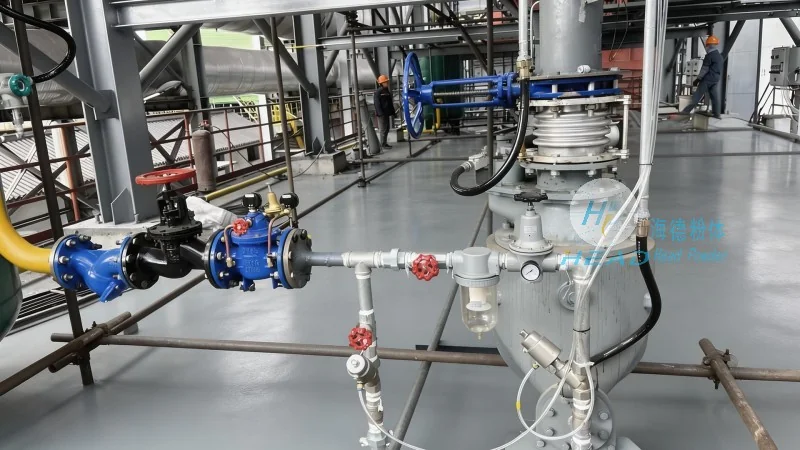
Understanding Wheat Bran and Conveying Challenges
Wheat bran consists of the outer layers of the wheat kernel, rich in fiber, vitamins, and minerals. Its lightweight and powdery nature makes it susceptible to dust generation and air resistance during transport. Traditional mechanical conveyors can lead to material degradation, increased maintenance costs, and environmental contamination due to dust emissions. Additionally, the abrasive properties of wheat bran can cause wear and tear on conveyor components, reducing their lifespan and increasing operational expenses. These challenges highlight the need for specialized conveying systems that can handle wheat bran effectively while minimizing operational issues.
Common Wheat Bran Conveying Methods
Several methods are commonly used to transport wheat bran, each with its own advantages and limitations. The primary options include:
Belt Conveyors: These are widely used for bulk material handling, including wheat bran. Belt conveyors use a continuous belt to move material from one point to another. However, they are not ideal for fine, dusty materials like wheat bran, as they can cause significant dust accumulation and require frequent cleaning to prevent material buildup and contamination.
Screw Conveyors: Screw conveyors, also known as augers, use a rotating screw to push material forward. They are suitable for transporting granular or powdery materials but may struggle with light, dusty materials like wheat bran. The high friction and pressure can cause material degradation and increased wear on the screw and housing.
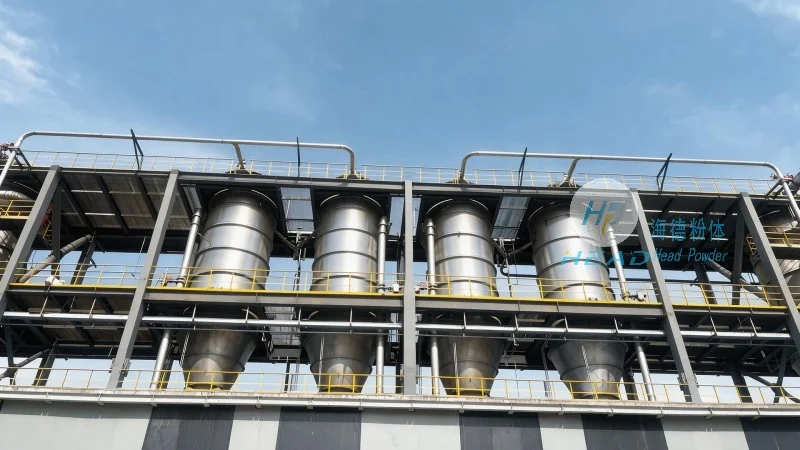
Pneumatic Conveying: Pneumatic conveying systems use air to transport materials through a pipeline. This method is particularly effective for handling fine, dusty, or abrasive materials, as it minimizes material contact with equipment and reduces the risk of degradation. Pneumatic systems can be categorized into two main types: pressure and vacuum systems, each with specific applications depending on the material and distance to be conveyed.
HeadPowder's Pneumatic Conveying Solutions for Wheat Bran
HeadPowder, a leading manufacturer of pneumatic conveying equipment, specializes in providing customized solutions for the agricultural and food processing industries. HeadPowder is Shandong HeadPowder Engineering Co., Ltd., a company based in China, dedicated to developing advanced systems that efficiently handle wheat bran while addressing the unique challenges associated with this material. Their expertise lies in developing systems that ensure minimal product degradation, low maintenance, and high operational efficiency.
HeadPowder's pneumatic conveying systems for wheat bran utilize advanced technology to optimize material transport. These systems are equipped with high-efficiency blowers and specialized pipelines that minimize pressure loss and ensure consistent material flow. The design incorporates features such as dust filtration and separation to maintain product purity and comply with environmental regulations. By using compressed air to move wheat bran through a sealed pipeline, the system reduces the risk of contamination and dust exposure, making it ideal for food and animal feed applications.
Key Features of HeadPowder's Wheat Bran Conveying Systems
HeadPowder's pneumatic conveying solutions for wheat bran offer several key features that set them apart from traditional methods:
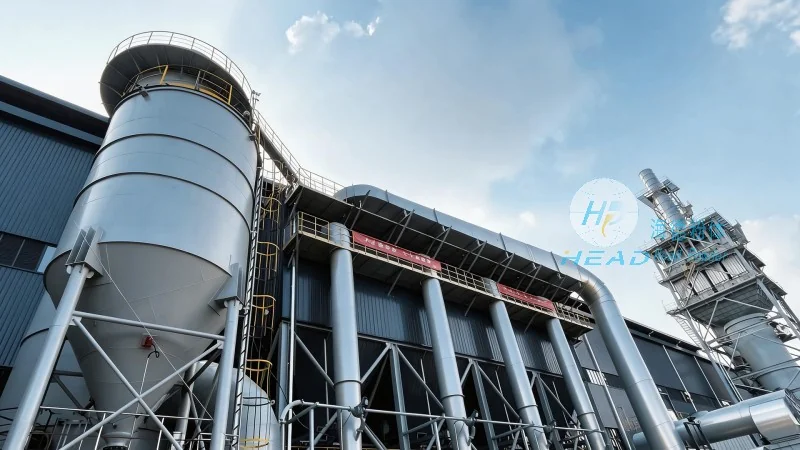
Customized System Design: Each system is tailored to the specific requirements of the customer, including the volume of wheat bran to be conveyed, the distance between the source and destination, and the desired level of automation. This ensures optimal performance and cost-effectiveness.
Low Maintenance: The use of sealed pipelines and advanced components reduces the need for frequent maintenance and repairs, resulting in lower operational costs over the system's lifespan.
Energy Efficiency: Modern pneumatic systems are designed to be energy-efficient, using less power than traditional mechanical conveyors while achieving higher material throughput.
Environmental Compliance: The systems include dust filtration and containment features to minimize environmental impact and comply with local regulations regarding dust emissions.
Conclusion
Efficient conveying of wheat bran is essential for maintaining production efficiency and product quality in various industries. While traditional methods like belt and screw conveyors have their uses, they may not be suitable for handling the unique properties of wheat bran. Pneumatic conveying systems, particularly those offered by HeadPowder, provide a reliable and effective solution. By leveraging advanced technology and customized design, HeadPowder's systems ensure minimal material degradation, low maintenance, and high operational efficiency, making them an ideal choice for businesses dealing with wheat bran.

 Công ty TNHH Kỹ thuật Công trình Bột Hải Đức Sơn Đông
 156-6277-7102(Quản lý Trương)
  0531-83386006
  Quận Chương Khâu, Thành phố Tế Nam, Tỉnh Sơn Đông, Trung Quốc
Điện thoại
WeChatTư vấn
Lên đầu