Công ty Hải Đức Bột với hơn 10 năm kinh nghiệm vận chuyển khí, cung cấp hệ thống‑thiết bị‑quạt gió và nhận dự án tổng thầu bột cả nước
When it comes to handling and transporting LFP (Lithium Iron Phosphate) materials, selecting the right conveying method is crucial for efficiency, safety, and cost-effectiveness. HeadPowder, a leading provider of material handling solutions from Shandong, China, specializes in advanced pneumatic conveying systems tailored for LFP applications. This article explores the various LFP conveying methods and highlights the benefits of HeadPowder's innovative pneumatic solutions.
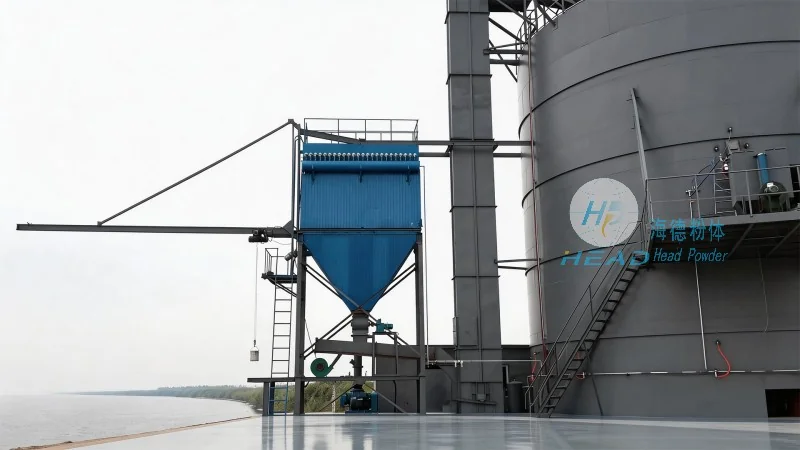
Understanding LFP and Its Conveying Challenges
Lithium Iron Phosphate (LFP) is a type of lithium-ion battery cathode material widely used in electric vehicles, energy storage systems, and other high-tech applications. Its handling requires careful consideration due to its fine particle size, chemical properties, and the need for contamination-free processing. Traditional conveying methods like belt conveyors or screw conveyors may not be suitable for LFP due to issues such as dust generation, material degradation, and the risk of cross-contamination. Pneumatic conveying, particularly the dense-phase or dilute-phase systems, offers a more controlled and efficient way to transport LFP while maintaining product integrity.
Common LFP Conveying Methods
Several methods are employed for LFP material transport, each with its own advantages and limitations. The primary options include:
Gravity Conveying: This method relies on the natural flow of material down inclined chutes. While simple and low-cost, it is limited by the need for a suitable gradient and is not suitable for vertical or long-distance transport of fine LFP powders.
Belt Conveyors: Common in bulk material handling, belt conveyors are effective for horizontal or slight incline transport. However, they are prone to material spillage, dust generation, and can cause particle degradation, especially for sensitive LFP powders.
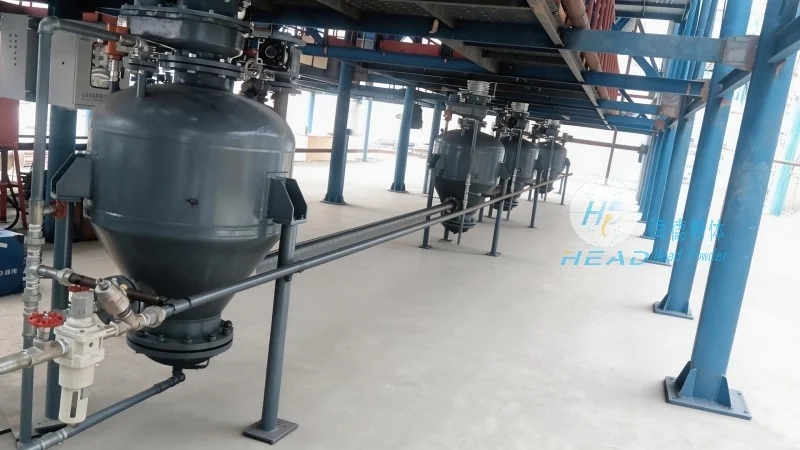
Screw Conveyors: Screw conveyors use rotating screws to move material along a tube. They are suitable for moderate distances but can lead to excessive heat generation and particle attrition, which may affect LFP quality.
Pneumatic Conveying: This is the most advanced and widely adopted method for LFP transport. Pneumatic systems use air or other gases to move material through pipes, offering high flexibility, low maintenance, and the ability to handle fine powders without degradation.
HeadPowder's Pneumatic Conveying Solutions for LFP
HeadPowder Engineering Co., Ltd., based in Shandong, China, has developed specialized pneumatic conveying systems designed specifically for LFP materials. Their solutions incorporate advanced technologies to ensure efficient, safe, and reliable transport while maintaining the purity and quality of LFP powders. The key features of HeadPowder's LFP pneumatic conveying systems include:
Dense-Phase Pneumatic Conveying: This method uses low air velocity and high material concentration to move LFP through pipelines. It minimizes dust generation and reduces the risk of material degradation, making it ideal for sensitive LFP applications.
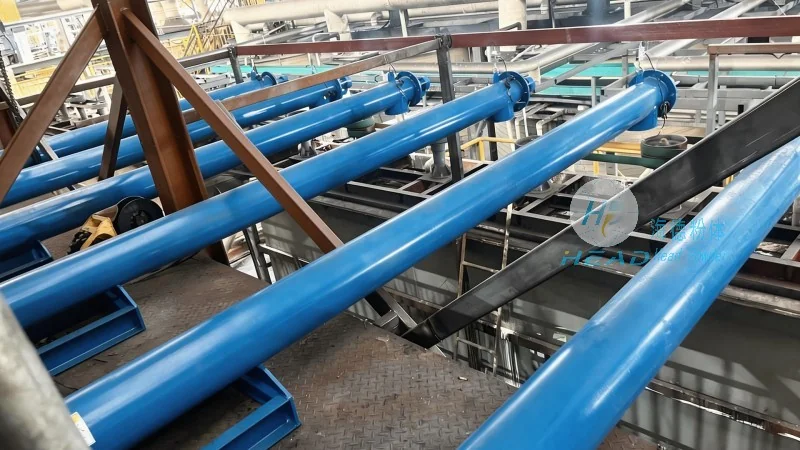
Dilute-Phase Pneumatic Conveying: Suitable for longer distances or when high material throughput is required, dilute-phase systems use higher air velocity to transport LFP. HeadPowder's systems are optimized to balance throughput with material integrity.
Customized System Design: HeadPowder works closely with clients to design and implement tailored pneumatic conveying solutions that meet specific process requirements, including material flow rates, distance, and environmental constraints.
Advanced Control Systems: Their systems incorporate intelligent control technologies to monitor and adjust conveying parameters in real-time, ensuring optimal performance and preventing system failures.
Benefits of Choosing HeadPowder's LFP Conveying Solutions
Implementing HeadPowder's pneumatic conveying systems for LFP offers several significant benefits:
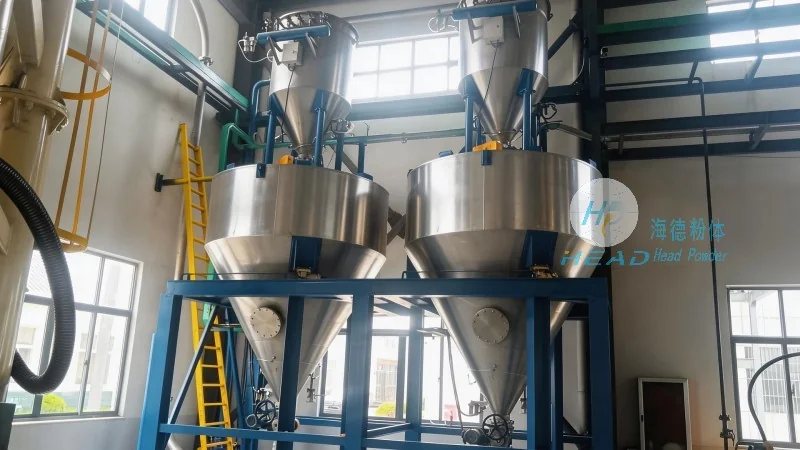
Enhanced Product Quality: By minimizing dust and particle degradation, HeadPowder's systems help maintain the purity and performance characteristics of LFP materials, which is critical for battery manufacturing.
Improved Safety: Pneumatic conveying reduces the risk of dust explosions and exposure to airborne particles, creating a safer working environment for personnel.
Increased Efficiency: Advanced control and optimized system design lead to higher material throughput and reduced downtime, improving overall operational efficiency.
Cost Savings: By reducing material loss, maintenance costs, and energy consumption, HeadPowder's solutions provide long-term cost advantages for LFP handling operations.
Conclusion
Choosing the right conveying method for LFP materials is essential for the success of lithium-ion battery production and other applications. HeadPowder Engineering Co., Ltd. provides cutting-edge pneumatic conveying solutions that address the unique challenges of LFP transport. With their expertise in material handling and commitment to quality, HeadPowder helps clients achieve efficient, safe, and reliable LFP processing, contributing to the advancement of the battery industry.

 Công ty TNHH Kỹ thuật Công trình Bột Hải Đức Sơn Đông
 156-6277-7102(Quản lý Trương)
  0531-83386006
  Quận Chương Khâu, Thành phố Tế Nam, Tỉnh Sơn Đông, Trung Quốc
Điện thoại
WeChatTư vấn
Lên đầu