Công ty Hải Đức Bột với hơn 10 năm kinh nghiệm vận chuyển khí, cung cấp hệ thống‑thiết bị‑quạt gió và nhận dự án tổng thầu bột cả nước
For industries dealing with polyethylene pellets, selecting the right conveying method is crucial for efficiency, cost-effectiveness, and operational safety. Various options exist, each with distinct advantages and applications. This article explores common polyethylene pellet conveying methods and highlights the advanced pneumatic conveying solutions offered by Shandong HeadPowder Engineering Co., Ltd., commonly known as HeadPowder.
Understanding Polyethylene Pellet Conveying: Key Considerations
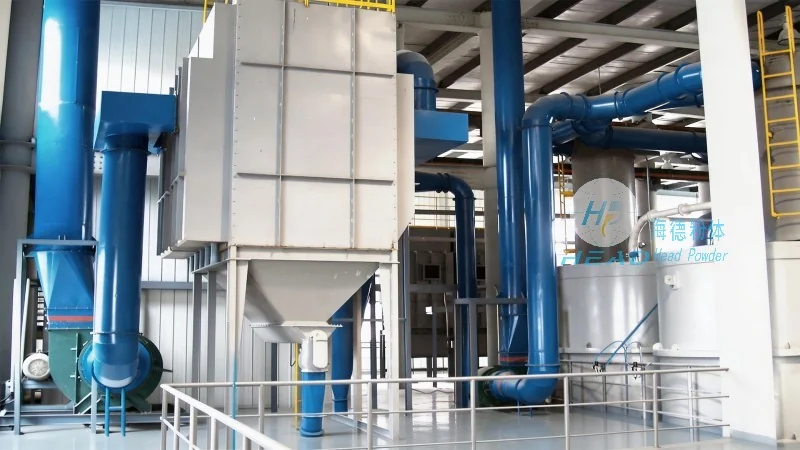
Before delving into specific methods, it's essential to consider factors that influence the choice of a conveying system. These include the material's properties—such as density, moisture content, and dust generation—production scale, facility layout, and environmental regulations. The goal is to ensure that the selected method minimizes material degradation, energy consumption, and operational downtime.
Traditional Conveying Methods for Polyethylene Pellets
Historically, industries have relied on traditional conveying techniques like gravity flow and mechanical systems. Gravity flow involves using inclined chutes or hoppers to allow pellets to move under the force of gravity. This method is simple and low-cost but is limited by the need for a suitable slope and is not suitable for long distances or vertical lifts. Mechanical systems, including screw conveyors and belt conveyors, use mechanical power to transport pellets. Screw conveyors are effective for horizontal or slight incline transport, while belt conveyors are ideal for longer distances and larger volumes. However, both methods have drawbacks, such as material wear, increased maintenance, and potential for product contamination.
Advanced Pneumatic Conveying Solutions by HeadPowder
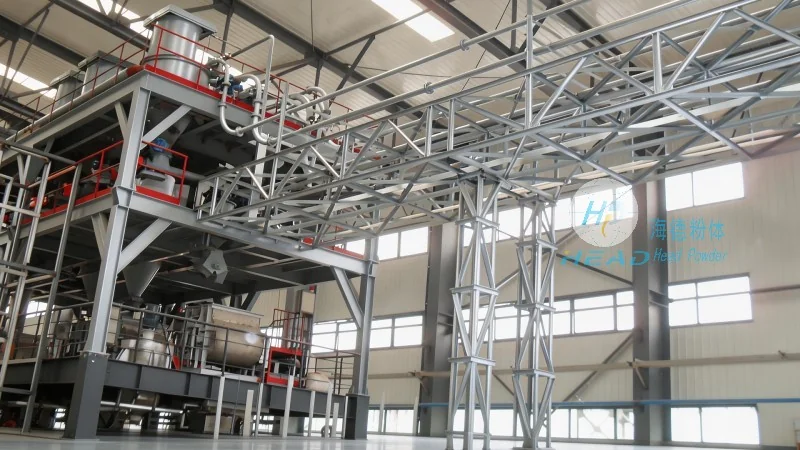
HeadPowder specializes in pneumatic conveying systems, which utilize air or gas to transport polyethylene pellets. This method offers several advantages over traditional approaches. Pneumatic systems are highly flexible, allowing for vertical, horizontal, or combined lifts, and can handle both short and long distances efficiently. They also provide excellent control over material flow, reducing the risk of clogging and ensuring consistent throughput. The company's solutions are designed to accommodate various polyethylene pellet types, including low-density and high-density grades, and can be integrated with existing production lines without major modifications.
Key Features of HeadPowder's Pneumatic Conveying Systems
HeadPowder's pneumatic conveying systems are engineered with several key features to enhance performance and reliability. These include: Self-cleaning design to prevent material buildup and maintain consistent airflow; Energy-efficient blower systems that optimize air usage while minimizing operational costs; and Customizable components such as hopper liners and filter bags tailored to the specific characteristics of polyethylene pellets. The systems are also equipped with advanced monitoring and control technologies, allowing operators to track performance in real-time and adjust parameters as needed.
Applications and Benefits in Polyethylene Processing
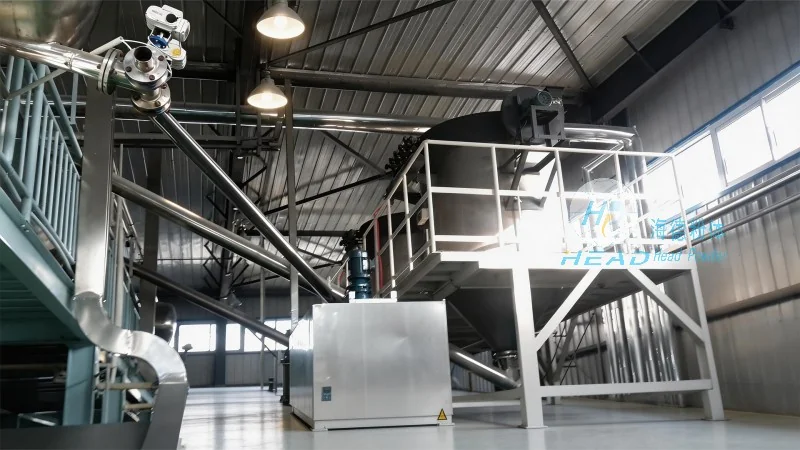
The benefits of HeadPowder's pneumatic conveying solutions are evident in various polyethylene processing applications. For example, in polymer manufacturing, the system efficiently transports pellets from storage silos to extrusion lines, ensuring a steady supply of material. In recycling facilities, pneumatic conveying helps move reclaimed polyethylene pellets from sorting to processing stages, reducing manual handling and improving safety. The systems also contribute to improved product quality by minimizing exposure to contaminants and reducing the risk of pellet degradation during transport.
Conclusion: Choosing the Right Conveying Solution for Polyethylene Pellets
When selecting a conveying method for polyethylene pellets, it's important to evaluate the specific needs of the operation. While traditional methods like gravity and mechanical conveyors have their place, pneumatic systems offer superior flexibility, efficiency, and control. HeadPowder's expertise in designing and implementing advanced pneumatic conveying solutions makes them a reliable partner for industries seeking to optimize their polyethylene pellet handling processes. By considering factors such as material properties, production scale, and operational requirements, companies can select the most suitable conveying method to enhance productivity and reduce costs.

 Công ty TNHH Kỹ thuật Công trình Bột Hải Đức Sơn Đông
 156-6277-7102(Quản lý Trương)
  0531-83386006
  Quận Chương Khâu, Thành phố Tế Nam, Tỉnh Sơn Đông, Trung Quốc
Điện thoại
WeChatTư vấn
Lên đầu