Công ty Hải Đức Bột với hơn 10 năm kinh nghiệm vận chuyển khí, cung cấp hệ thống‑thiết bị‑quạt gió và nhận dự án tổng thầu bột cả nước
When it comes to transporting dry sand, selecting the right conveying method is crucial for efficiency, cost-effectiveness, and operational safety. Various technologies are available, each with its own set of advantages and limitations. Understanding these options helps industrial facilities choose the most suitable solution for their specific needs. This article explores common dry sand conveying methods and highlights the benefits of HeadPowder's dry sand pneumatic conveying system.
Overview of Common Dry Sand Conveying Methods
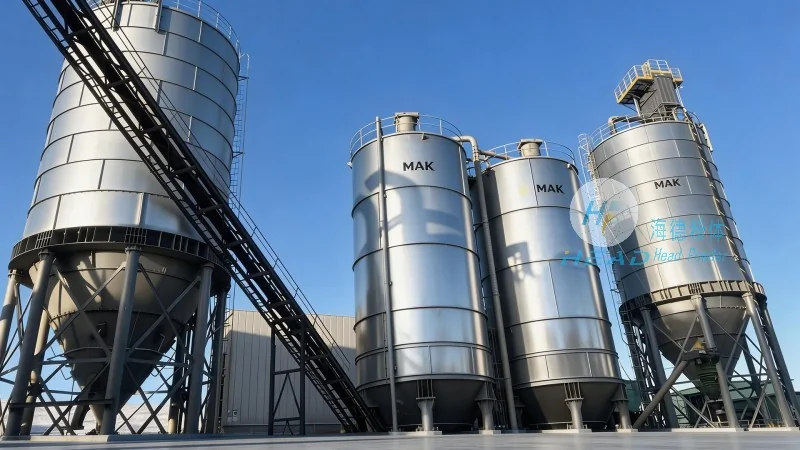
Dry sand, characterized by its fine particles and low moisture content, requires specialized handling to prevent segregation, caking, or dust generation. Traditional conveying methods include gravity-based systems, mechanical conveyors, and pneumatic systems. Each approach has distinct applications and performance characteristics.
1. Gravity Conveying Systems
Gravity conveyors rely on the natural force of gravity to move dry sand from one point to another. These systems typically involve inclined chutes or troughs that allow the material to flow downward without external power. While simple and low-cost, gravity conveyors are limited by the need for a suitable topography and are unsuitable for long distances or vertical lifts. They are best suited for short horizontal or slight vertical inclines where the material can flow freely.
2. Mechanical Conveyors
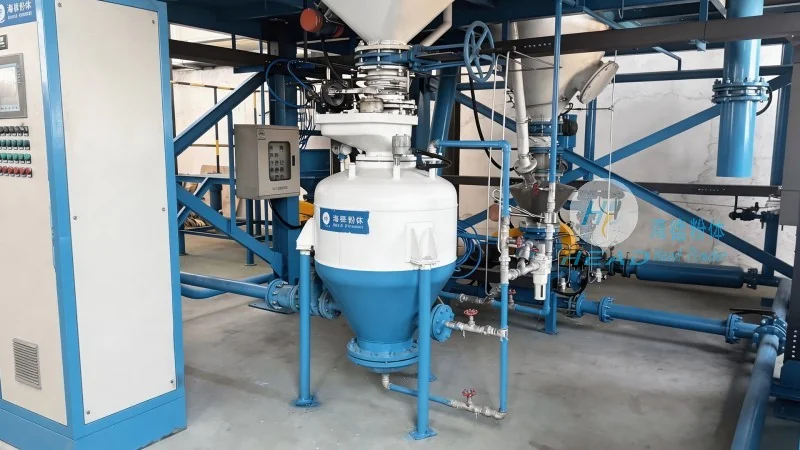
Mechanical conveyors, such as belt conveyors, screw conveyors, and bucket elevators, use mechanical components to transport dry sand. Belt conveyors are widely used for horizontal or slight incline applications, providing reliable and continuous movement. Screw conveyors are effective for vertical or inclined transport, often used in silos or storage facilities. However, mechanical conveyors have limitations when dealing with fine, abrasive materials like dry sand, as they can cause wear and tear on components. Additionally, they may generate dust and require regular maintenance to prevent blockages.
3. Pneumatic Conveying Systems
Pneumatic conveying, or air-based transport, uses compressed air to move dry sand through a pipeline. This method offers flexibility in layout, as it can transport material horizontally, vertically, or in a combination of both. Pneumatic systems are particularly effective for handling fine, dusty materials that are difficult to convey mechanically. They can be classified into two main types: pressure and vacuum systems.
HeadPowder's Dry Sand Pneumatic Conveying: Key Advantages
HeadPowder, a leading manufacturer of industrial conveying equipment, specializes in dry sand pneumatic conveying systems tailored to the unique challenges of sand transport. The company's solutions are designed to address the limitations of traditional methods while delivering superior performance and reliability. Key advantages of HeadPowder's dry sand pneumatic conveying include:
Efficient Material Handling with Minimal Downtime
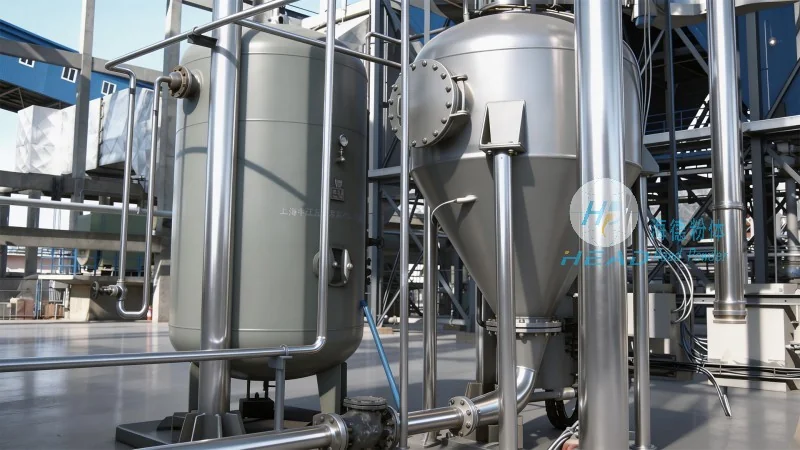
HeadPowder's systems are engineered for high throughput and continuous operation, minimizing downtime and maximizing productivity. The pneumatic conveying process allows for smooth, consistent movement of dry sand, reducing the risk of blockages or material degradation. This efficiency is critical for industrial applications where consistent material flow is essential for production continuity.
Environmental and Safety Benefits
Dry sand pneumatic conveying by HeadPowder is designed with environmental and safety considerations in mind. The enclosed pipeline system prevents dust emissions, reducing the risk of respiratory issues and contamination. Unlike open mechanical conveyors, the system minimizes exposure to fine particles, creating a safer working environment. Additionally, the use of compressed air reduces the need for heavy machinery and manual handling, further enhancing workplace safety.
Flexible and Scalable Solutions
HeadPowder's dry sand pneumatic conveying systems are highly flexible, allowing for easy integration into existing industrial setups. The modular design enables customization based on the specific requirements of the application, whether it involves short or long-distance transport, vertical lifts, or complex layouts. This adaptability makes the system suitable for a wide range of industries, including construction, mining, and manufacturing.
Low Maintenance and Long-Term Cost Savings
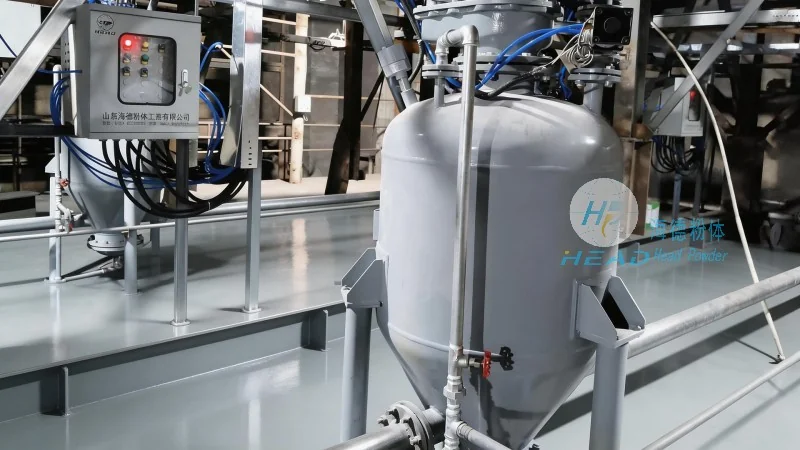
Compared to mechanical conveyors, pneumatic systems require less maintenance due to the absence of moving parts in the conveying line. The lack of wear from abrasive materials extends the lifespan of components, reducing replacement costs over time. HeadPowder's systems are built with durable materials and robust engineering, ensuring long-term reliability and cost-effectiveness for industrial operations.
Application Examples and Case Studies
HeadPowder's dry sand pneumatic conveying systems have been successfully implemented in various industrial applications, demonstrating their effectiveness in real-world scenarios. For example, in a construction material plant, the system efficiently transported dry sand from storage silos to mixing stations, improving production efficiency by 30% and reducing labor costs. In another case, a mining operation used the system to transport sand from a processing plant to a storage facility, minimizing dust emissions and enhancing safety compliance.
Conclusion
Choosing the right dry sand conveying method is essential for optimizing industrial operations. While gravity and mechanical conveyors have their uses, pneumatic systems offer superior flexibility, efficiency, and safety. HeadPowder's dry sand pneumatic conveying solutions provide a reliable and cost-effective alternative, addressing the unique challenges of sand transport. By leveraging advanced engineering and durable materials, HeadPowder's systems ensure consistent performance and long-term value for industrial facilities. For businesses seeking to enhance their dry sand handling capabilities, HeadPowder's pneumatic conveying technology is a superior choice.

 Công ty TNHH Kỹ thuật Công trình Bột Hải Đức Sơn Đông
 156-6277-7102(Quản lý Trương)
  0531-83386006
  Quận Chương Khâu, Thành phố Tế Nam, Tỉnh Sơn Đông, Trung Quốc
Điện thoại
WeChatTư vấn
Lên đầu