Công ty Hải Đức Bột với hơn 10 năm kinh nghiệm vận chuyển khí, cung cấp hệ thống‑thiết bị‑quạt gió và nhận dự án tổng thầu bột cả nước
When it comes to transporting sawdust, selecting the right method is crucial for efficiency and operational effectiveness. Sawdust, a byproduct of wood processing, requires specialized handling due to its light weight, fine particles, and potential for dust explosions. Traditional methods like belt conveyors or manual handling often fall short in meeting the demands of modern wood processing facilities. This article explores common sawdust conveying methods and highlights the superior advantages of HeadPowder's pneumatic conveying system, a solution tailored for the unique challenges of sawdust transport.
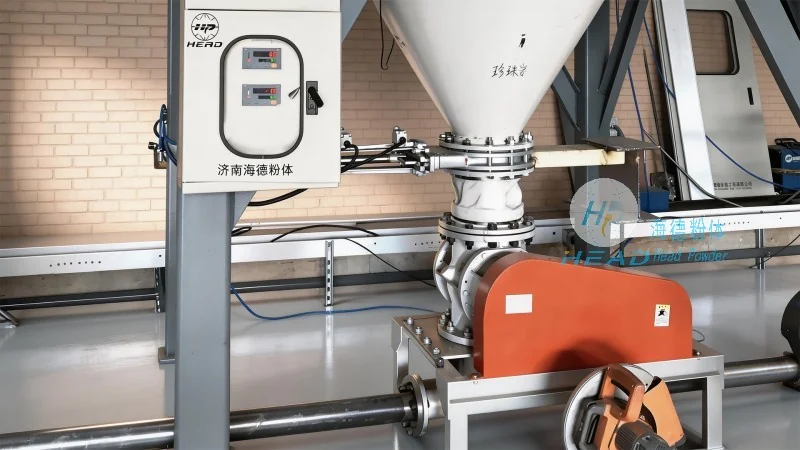
Overview of Common Sawdust Conveying Methods
Several conventional methods are used for sawdust transport, each with its own set of advantages and limitations. The most widely used approaches include:
Belt Conveyors: These systems use continuous belts to move sawdust from one location to another. While effective for bulk material handling, belt conveyors can struggle with fine, lightweight sawdust, leading to material buildup, increased friction, and higher energy consumption.
Pneumatic Conveying (Air-Lift): This method uses compressed air to transport sawdust through a pipeline. It offers advantages in terms of flexibility and reduced dust exposure, but traditional air-lift systems may have limitations in terms of distance and material capacity.
Hydraulic Conveying: Utilizing water or other liquids to move sawdust, this method is less common due to its complexity and higher maintenance requirements. It is generally not suitable for sawdust due to the risk of contamination and increased environmental impact.
HeadPowder's Pneumatic Conveying System: Advantages and Features
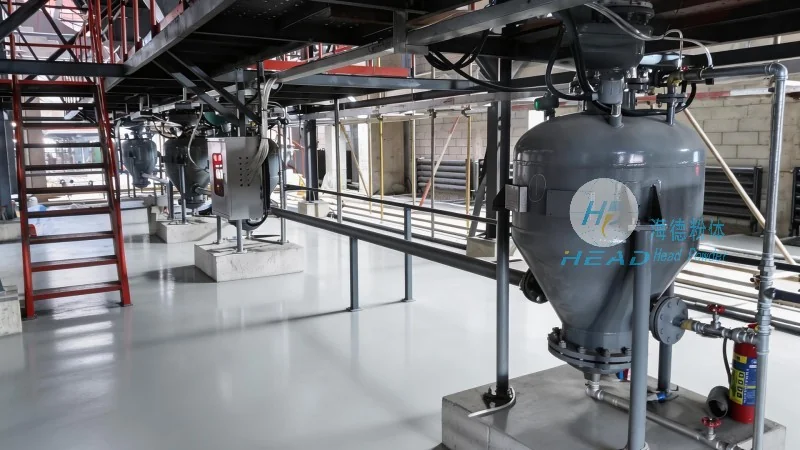
HeadPowder, a leading manufacturer based in Shandong, China, specializes in providing advanced pneumatic conveying solutions for sawdust and other fine powders. The company's system is designed to address the specific challenges of sawdust transport, offering several key advantages over traditional methods.
Efficient Material Handling: The system utilizes high-pressure air to transport sawdust through a network of pipelines, ensuring consistent and reliable material flow. This reduces downtime and increases overall productivity in wood processing facilities.
Low Maintenance and Longevity: HeadPowder's pneumatic conveying system is engineered with durable components and minimal moving parts, resulting in lower maintenance costs and longer service life compared to other conveying methods.
Reduced Dust and Environmental Impact: By operating in a closed system, the pneumatic conveying system minimizes dust emissions, improving workplace safety and compliance with environmental regulations. This is particularly important in facilities where dust control is a priority.
Flexible and Scalable Design: The system can be customized to fit the specific needs of a facility, with options for different pipeline configurations, pressure levels, and material handling capacities. This flexibility allows for easy integration into existing operations or expansion as production needs grow.
Key Features of HeadPowder's Pneumatic Conveying System
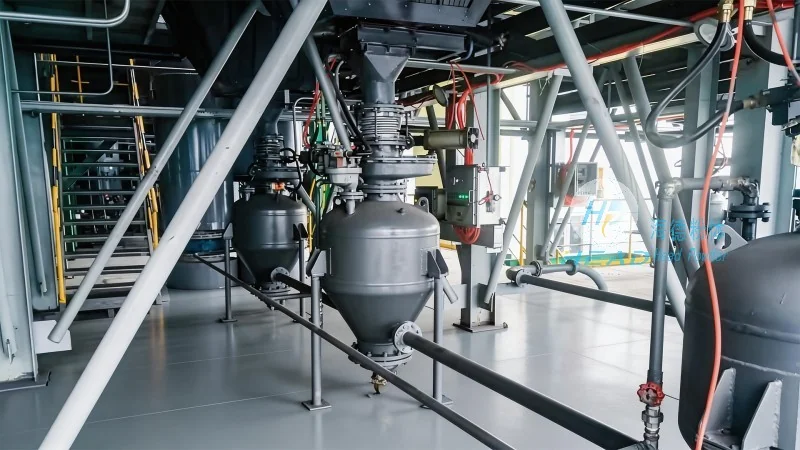
HeadPowder's pneumatic conveying system incorporates several advanced features that enhance its performance and usability:
High-Pressure Air Management: The system is equipped with advanced air compressors and control systems that ensure optimal pressure and flow rates, maximizing material transport efficiency.
Advanced Filtration and Separation: To prevent clogging and maintain system performance, the system includes high-efficiency filters and separation units that remove moisture and other contaminants from the sawdust.
Integrated Control Systems: Modern control panels and sensors allow for real-time monitoring and adjustment of the conveying process, ensuring consistent performance and reducing the risk of system failures.
Customizable Pipeline Networks: The system can be configured with a variety of pipeline materials, including stainless steel and plastic, to suit different environmental and operational conditions.
Conclusion: Choosing the Right Sawdust Conveying Solution
When selecting a sawdust conveying method, it is essential to consider factors such as material properties, facility layout, and operational requirements. While traditional methods like belt conveyors may be suitable for some applications, they often fall short in terms of efficiency, maintenance, and environmental impact. HeadPowder's pneumatic conveying system offers a superior solution, combining advanced technology with practical design to meet the unique needs of sawdust transport. By choosing HeadPowder's system, wood processing facilities can improve productivity, reduce costs, and enhance workplace safety, making it a valuable investment for any operation.

 Công ty TNHH Kỹ thuật Công trình Bột Hải Đức Sơn Đông
 156-6277-7102(Quản lý Trương)
  0531-83386006
  Quận Chương Khâu, Thành phố Tế Nam, Tỉnh Sơn Đông, Trung Quốc
Điện thoại
WeChatTư vấn
Lên đầu