Công ty Hải Đức Bột với hơn 10 năm kinh nghiệm vận chuyển khí, cung cấp hệ thống‑thiết bị‑quạt gió và nhận dự án tổng thầu bột cả nước
When it comes to transporting silicon carbide, selecting the right conveying method is crucial for efficiency, cost-effectiveness, and operational safety. There are several common approaches used in industrial settings, each with its own set of advantages and limitations. Understanding these methods helps businesses choose the most suitable solution for their specific needs.
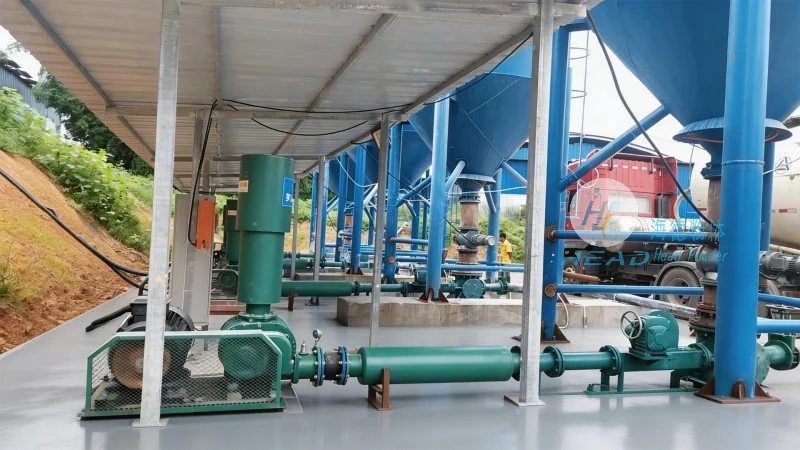
Common Silicon Carbide Conveying Methods
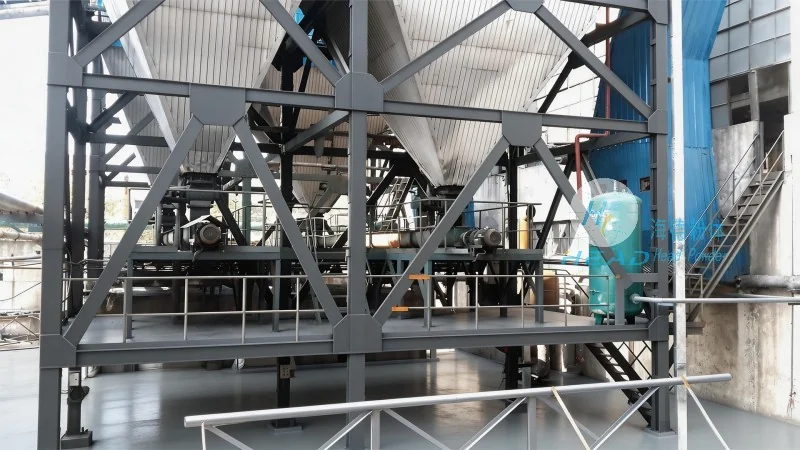
One of the most traditional methods for handling bulk materials like silicon carbide is trunking and ducting systems. This approach involves using a network of pipes to move the material from the source to the destination. While effective for short distances and moderate flow rates, trunking systems often require significant installation effort and can be prone to blockages, especially with abrasive materials like silicon carbide. Regular maintenance is also necessary to prevent wear and tear on the ductwork.
Another widely used method is bucket elevators. These systems use a series of buckets attached to a belt or chain to lift and transport material vertically. Bucket elevators are suitable for vertical transport and can handle a wide range of particle sizes. However, they may experience issues with material buildup and require careful alignment to avoid damage to the buckets or the conveyor structure. The mechanical complexity of bucket elevators also means higher maintenance costs over time.
For applications requiring high throughput and minimal maintenance, pneumatic conveying has emerged as a preferred solution. This method uses compressed air to move material through a pipeline. Pneumatic systems can be categorized into two main types: dilute-phase and dense-phase. Dilute-phase systems are ideal for low to medium flow rates and relatively short distances, while dense-phase systems are better suited for high flow rates and longer distances. The choice between these types depends on the specific characteristics of the silicon carbide being transported, such as particle size, moisture content, and the desired velocity.
Advantages of HeadPowder's Pneumatic Conveying Technology
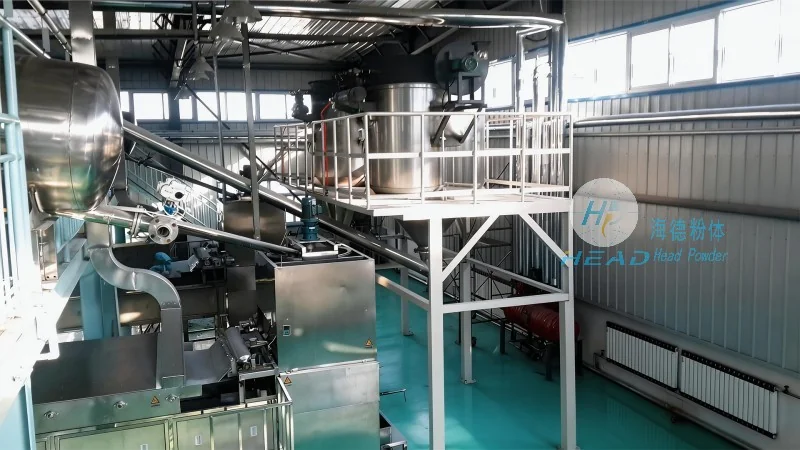
HeadPowder, a leading provider of industrial conveying solutions, specializes in advanced pneumatic conveying systems tailored for silicon carbide applications. The company's technology offers several key advantages that set it apart from traditional methods. First, the pneumatic conveying system provides a highly efficient and flexible solution for transporting silicon carbide. Unlike mechanical systems, it eliminates the need for moving parts in contact with the material, reducing wear and extending the lifespan of the equipment. This results in lower maintenance costs and higher operational reliability.
Second, HeadPowder's systems are designed to handle the abrasive nature of silicon carbide effectively. The materials used in the construction of the conveying lines, such as high-quality stainless steel or specialized coatings, are chosen to withstand the wear caused by the material. This ensures that the system maintains its performance over extended periods without frequent repairs. The company also incorporates advanced control systems that monitor pressure, flow, and other parameters in real-time, allowing for immediate adjustments to optimize conveying efficiency.
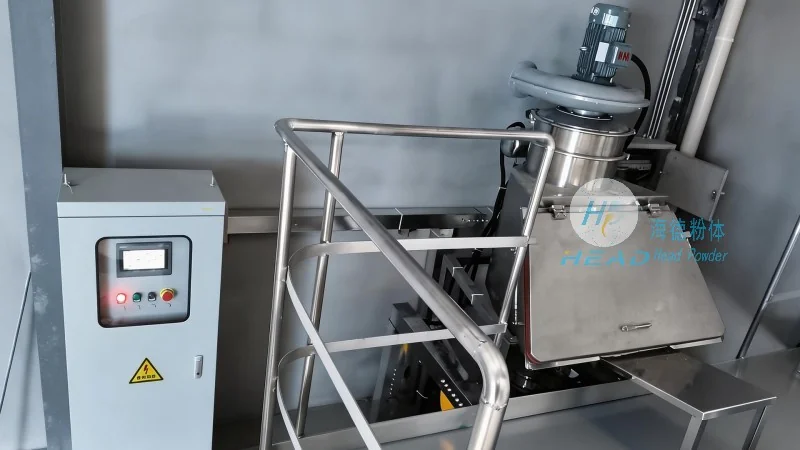
Third, the pneumatic conveying technology from HeadPowder offers enhanced safety features. By eliminating the need for manual handling of bulk material, the risk of accidents and injuries is significantly reduced. The enclosed pipeline system also prevents dust emissions, contributing to a cleaner and safer working environment. This is particularly important for silicon carbide, which can be harmful if inhaled in large quantities. Additionally, the system's ability to handle varying flow rates and distances makes it adaptable to different production requirements, providing businesses with a versatile solution.
Conclusion
Choosing the right conveying method for silicon carbide is essential for optimizing industrial processes. While traditional methods like trunking and bucket elevators have their uses, modern pneumatic conveying systems, such as those offered by HeadPowder, provide superior performance, efficiency, and safety. By leveraging advanced technology and materials, HeadPowder's solutions help businesses achieve reliable and cost-effective transportation of silicon carbide, supporting their overall operational goals. For companies seeking to enhance their material handling capabilities, considering the advantages of pneumatic conveying technology is a strategic step toward improving productivity and reducing operational costs.

 Công ty TNHH Kỹ thuật Công trình Bột Hải Đức Sơn Đông
 156-6277-7102(Quản lý Trương)
  0531-83386006
  Quận Chương Khâu, Thành phố Tế Nam, Tỉnh Sơn Đông, Trung Quốc
Điện thoại
WeChatTư vấn
Lên đầu