Công ty Hải Đức Bột với hơn 10 năm kinh nghiệm vận chuyển khí, cung cấp hệ thống‑thiết bị‑quạt gió và nhận dự án tổng thầu bột cả nước
When it comes to handling biomass materials in industrial applications, efficient and reliable conveying systems are crucial for maintaining productivity and ensuring material integrity. The choice of conveying method can significantly impact operational costs, environmental impact, and overall process efficiency. Among the various options available, pneumatic conveying stands out as a versatile and effective solution for transporting biomass, particularly in applications involving bulk materials like wood chips, pellets, and agricultural residues.
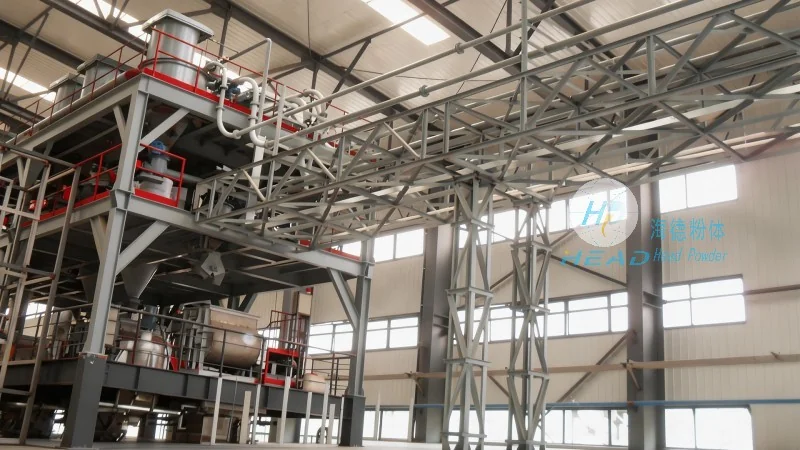
Common Biomass Conveying Methods
Several conventional methods are widely used for biomass transportation, each with its own set of advantages and limitations. These include:
Gravity Conveying: This method relies on the natural force of gravity to move materials from higher to lower elevations. While simple and low-cost, it is limited by the need for a suitable slope and is often unsuitable for long distances or vertical lifts.
Mechanical Conveying: Systems such as belt conveyors, screw conveyors, and chain conveyors use mechanical components to transport biomass. These are effective for horizontal or slight incline movements but may experience wear and tear over time, leading to maintenance issues and potential material degradation.
Pneumatic Conveying: This method utilizes compressed air or gas to transport materials through a pipeline. It offers flexibility in terms of direction and distance, making it ideal for complex layouts and long-distance transport. Pneumatic systems can be categorized into different types, including pressure and vacuum systems, each tailored to specific material characteristics and process requirements.
Advantages of HeadPowder's Biomass Pneumatic Conveying Systems
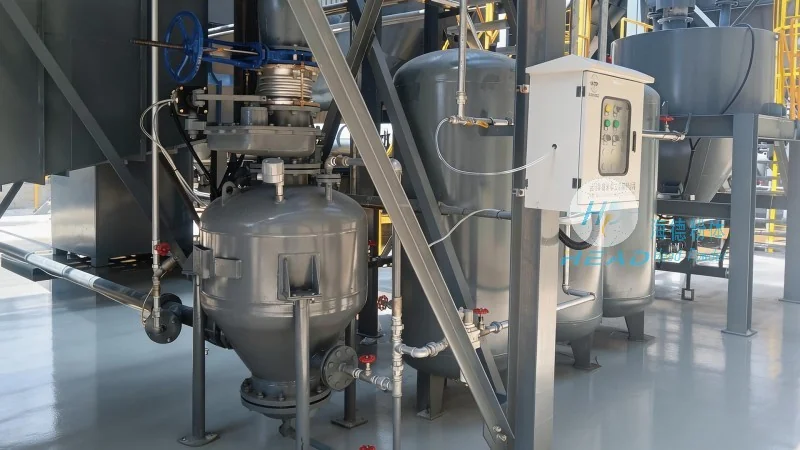
Shandong HeadPowder Engineering Co., Ltd., a leading manufacturer based in China, specializes in providing advanced pneumatic conveying solutions tailored to the unique needs of biomass processing industries. Their systems are designed to deliver superior performance, reliability, and efficiency compared to traditional conveying methods. Key advantages of HeadPowder's biomass pneumatic conveying systems include:
High Efficiency and Throughput: The company's systems are engineered to handle high volumes of biomass with minimal downtime, ensuring consistent production rates. Advanced control systems optimize air flow and material velocity, maximizing conveying efficiency.
Environmental Friendliness: Pneumatic conveying is a dry process that eliminates the need for water or other liquids, reducing the risk of contamination and minimizing environmental impact. This makes it an ideal choice for applications where material purity is critical.
Versatility and Adaptability: HeadPowder's systems can accommodate a wide range of biomass materials, including irregularly shaped particles and fibrous materials. The flexibility of pneumatic conveying allows for integration into existing production lines without major modifications.
Low Maintenance and Longevity: By eliminating moving parts in contact with the material (such as belts or screws), the systems reduce wear and tear, leading to lower maintenance costs and extended service life. This translates to reduced operational expenses over the long term.
Energy Efficiency: Modern pneumatic conveying systems from HeadPowder incorporate energy-saving technologies, such as variable frequency drives and optimized air compression, to minimize energy consumption while maintaining high performance.
Key Features of HeadPowder's Biomass Pneumatic Conveying Solutions
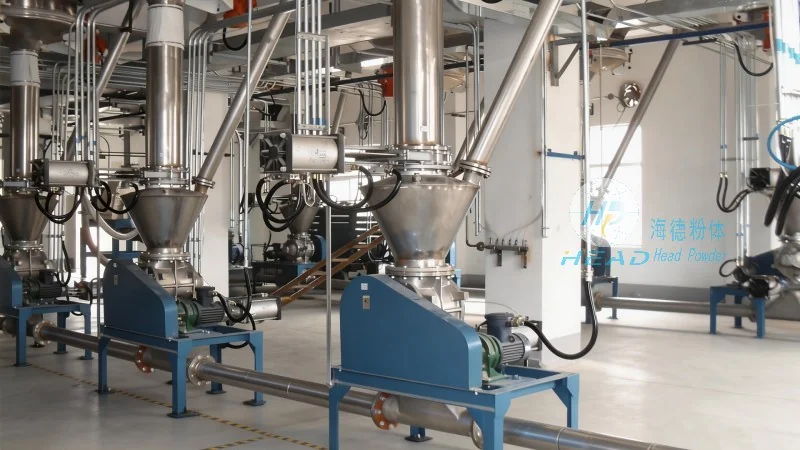
HeadPowder's biomass pneumatic conveying systems are equipped with several innovative features that enhance their functionality and user experience. These include:
Customizable Pipeline Designs: The company offers tailored pipeline configurations, including straight, curved, and vertical sections, to suit specific plant layouts and conveying requirements. This flexibility ensures seamless integration into existing infrastructure.
Advanced Control Systems: Integrated control panels provide real-time monitoring of system performance, allowing operators to adjust parameters such as air pressure, flow rate, and material feed rate for optimal operation.
Material Handling Capabilities: The systems are designed to handle a variety of biomass types, from fine powders to large wood chips, with minimal degradation or loss. This ensures that the material's quality is preserved throughout the conveying process.
Safety and Compliance: All systems comply with relevant safety standards and regulations, incorporating features such as pressure relief valves and emergency shut-off mechanisms to protect personnel and equipment.
Conclusion
For industries dealing with biomass materials, selecting the right conveying system is essential for achieving operational excellence and sustainability. HeadPowder's pneumatic conveying solutions offer a superior alternative to traditional methods, delivering high efficiency, environmental benefits, and long-term reliability. As a trusted manufacturer based in China, Shandong HeadPowder Engineering Co., Ltd. continues to innovate and provide tailored solutions that meet the evolving needs of the biomass processing sector.

 Công ty TNHH Kỹ thuật Công trình Bột Hải Đức Sơn Đông
 156-6277-7102(Quản lý Trương)
  0531-83386006
  Quận Chương Khâu, Thành phố Tế Nam, Tỉnh Sơn Đông, Trung Quốc
Điện thoại
WeChatTư vấn
Lên đầu