Công ty Hải Đức Bột với hơn 10 năm kinh nghiệm vận chuyển khí, cung cấp hệ thống‑thiết bị‑quạt gió và nhận dự án tổng thầu bột cả nước
When it comes to transporting solid powders in industrial settings, selecting the right method is crucial for efficiency, cost-effectiveness, and operational safety. There are several common approaches used across various industries, each with its own set of advantages and limitations. Understanding these methods helps businesses choose the most suitable solution for their specific needs. This article explores the typical solid powder conveying methods and highlights the key advantages of HeadPowder's pneumatic conveying systems, a leading solution from Shandong HeadPowder Engineering Co., Ltd., based in China.
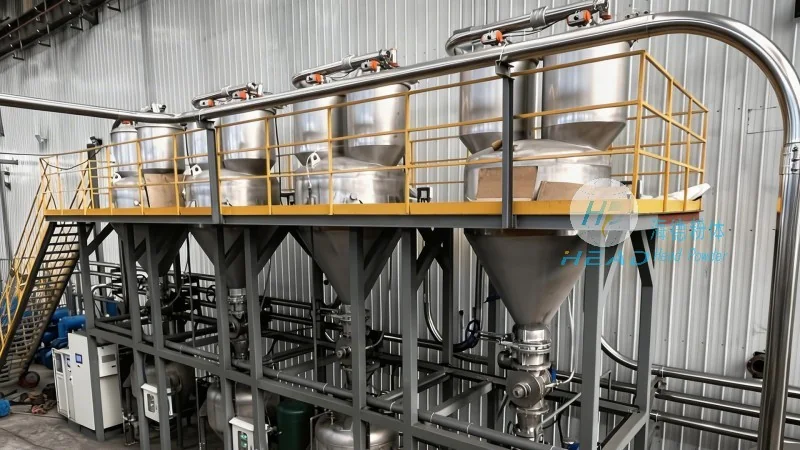
Overview of Common Solid Powder Conveying Methods
Industrial solid powder conveying involves moving bulk materials from one location to another. The primary methods include gravity conveyors, mechanical conveyors, and pneumatic conveying systems. Each method operates on different principles and is suited for different applications.
1. Gravity Conveyors
Gravity conveyors rely on the natural force of gravity to move materials. These systems typically consist of inclined chutes or hoppers that allow powders to flow downward from a higher elevation to a lower one. They are simple in design and require minimal energy input, making them cost-effective for short-distance horizontal or slight incline applications. However, their efficiency is limited by the need for a suitable elevation difference and the material's flow characteristics. Gravity conveyors are ideal for transporting non-abrasive, free-flowing powders over short distances, such as in food processing or small-scale manufacturing.
2. Mechanical Conveyors
Mechanical conveyors use mechanical components like belts, screws, or chains to transport solid powders. Belt conveyors are widely used for horizontal or slight incline transport, capable of handling large volumes of material. Screw conveyors, or augers, are effective for vertical or inclined transport, often used in processing plants to move powders through processing stages. These systems are robust and can handle a variety of materials, including abrasive or sticky powders. However, mechanical conveyors may experience wear and tear over time, leading to maintenance costs and potential material contamination. They are suitable for applications where the material's properties and flow characteristics are manageable, and where a continuous, reliable flow is required.
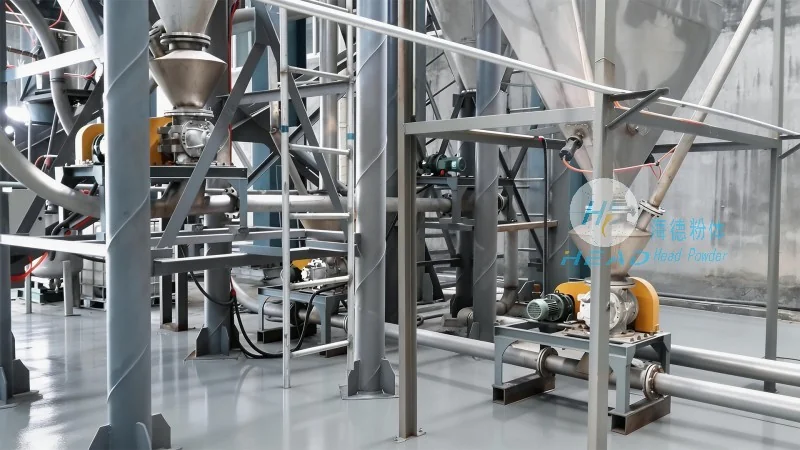
3. Pneumatic Conveying Systems
Pneumatic conveying systems use air or other gases to transport solid powders through a pipeline. This method offers several advantages, including the ability to transport materials over long distances, vertical and horizontal movement, and the potential for enclosed, dust-free operation. There are two main types of pneumatic conveying: pressure and vacuum systems. Pressure systems use compressed air to push the material through the pipeline, while vacuum systems use a vacuum to pull the material. Pneumatic conveying is particularly effective for handling fine powders, powders with high moisture content, or materials that are sensitive to contamination. However, it requires more energy compared to gravity or mechanical conveyors and may be less efficient for very long distances or high-volume applications.
Advantages of HeadPowder's Pneumatic Conveying Systems
HeadPowder, a division of Shandong HeadPowder Engineering Co., Ltd., specializes in providing advanced pneumatic conveying solutions tailored to the needs of various industries. Their systems are designed to offer superior performance, reliability, and efficiency compared to traditional conveying methods. The key advantages of HeadPowder's pneumatic conveying systems include:
1. High Efficiency and Capacity
HeadPowder's pneumatic conveying systems are engineered to handle high volumes of solid powders with minimal downtime. The use of high-pressure air or vacuum ensures consistent and reliable material transport, even for fine or cohesive powders. The systems are capable of transporting materials over long distances without significant loss of pressure or material degradation, making them suitable for large-scale industrial applications. This efficiency reduces operational costs and increases overall productivity for businesses.
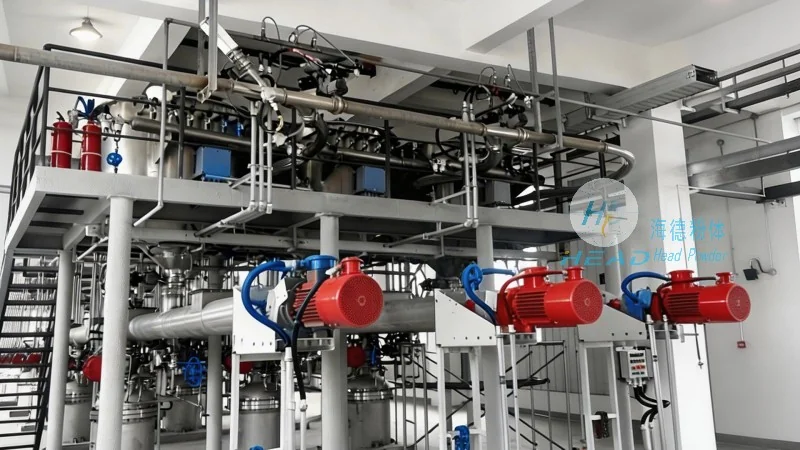
2. Environmental and Safety Benefits
One of the standout features of HeadPowder's pneumatic conveying systems is their enclosed design, which minimizes dust emissions and provides a safe working environment. Unlike open mechanical or gravity systems, these systems prevent dust from escaping into the workplace, reducing the risk of respiratory issues and improving air quality. The enclosed pipelines also protect the material from contamination, ensuring product integrity. Additionally, the systems are designed with safety features such as pressure relief valves and emergency shut-off mechanisms, enhancing workplace safety and compliance with environmental regulations.
3. Versatility and Adaptability
HeadPowder's pneumatic conveying systems are highly versatile and can be customized to meet the specific requirements of different industries and applications. They can handle a wide range of materials, including fine powders, granules, and bulk solids, with varying flow characteristics. The systems are suitable for both short and long-distance transport, as well as vertical and horizontal movement. This adaptability allows businesses to integrate the conveying system into existing production lines or new facilities without major modifications. The modular design of the systems also enables easy expansion or reconfiguration as production needs change.
4. Low Maintenance and Longevity
HeadPowder's pneumatic conveying systems are built with high-quality materials and components, ensuring long-term reliability and low maintenance requirements. The use of corrosion-resistant materials and durable components minimizes wear and tear, reducing the need for frequent repairs or replacements. The systems are designed with easy access to components for maintenance, allowing for quick and efficient servicing. This low maintenance aspect translates to lower operational costs and increased system uptime, which is critical for maintaining production efficiency.
Conclusion
Choosing the right solid powder conveying method is essential for optimizing industrial operations. While gravity and mechanical conveyors have their place, pneumatic conveying systems, particularly those from HeadPowder, offer significant advantages in terms of efficiency, safety, and versatility. Shandong HeadPowder Engineering Co., Ltd., based in China, provides advanced pneumatic conveying solutions that cater to the diverse needs of industries, ensuring reliable and cost-effective material transport. By leveraging the benefits of HeadPowder's systems, businesses can enhance their operational performance, improve product quality, and maintain a safe working environment.

 Công ty TNHH Kỹ thuật Công trình Bột Hải Đức Sơn Đông
 156-6277-7102(Quản lý Trương)
  0531-83386006
  Quận Chương Khâu, Thành phố Tế Nam, Tỉnh Sơn Đông, Trung Quốc
Điện thoại
WeChatTư vấn
Lên đầu