Công ty Hải Đức Bột với hơn 10 năm kinh nghiệm vận chuyển khí, cung cấp hệ thống‑thiết bị‑quạt gió và nhận dự án tổng thầu bột cả nước
Cement powder, a critical component in construction and industrial applications, requires efficient and reliable transportation from storage to processing or application sites. The choice of conveying method significantly impacts operational efficiency, material quality, and overall system cost. Common cement powder conveying methods include gravity flow, mechanical systems such as screw conveyors and belt conveyors, and pneumatic systems. Each method has its own set of advantages and limitations, making the selection process crucial for optimizing industrial processes.
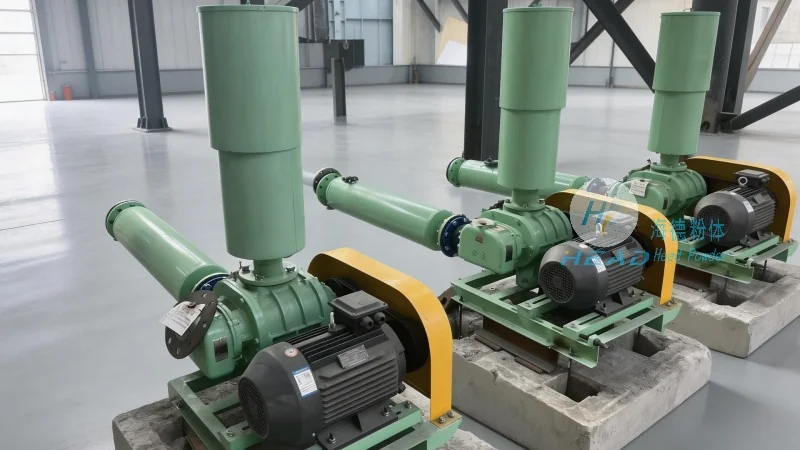
Gravity Flow Conveying
Gravity flow, or bulk material handling via inclined chutes, is a simple and cost-effective method for transporting cement powder over short distances. This approach relies on the natural force of gravity to move material from a higher to a lower elevation. While suitable for low-volume, low-speed applications, gravity flow systems have limitations, particularly when dealing with fine powders like cement, which can lead to bridging, segregation, and uneven flow. These issues can result in reduced throughput and increased maintenance requirements, making gravity flow less ideal for high-demand industrial environments.
Mechanical Conveying Systems
Mechanical conveying methods, including screw conveyors, belt conveyors, and bucket elevators, are widely used in cement powder handling. Screw conveyors use rotating screws to push material forward, while belt conveyors utilize moving belts to transport bulk materials. These systems offer good control over material flow and are relatively easy to install and maintain. However, mechanical conveyors have drawbacks, especially when handling fine powders. The high friction and pressure on the material can cause degradation, leading to dust generation and reduced material quality. Additionally, mechanical systems are prone to wear and tear, requiring frequent maintenance and replacement of components, which increases operational costs over time.
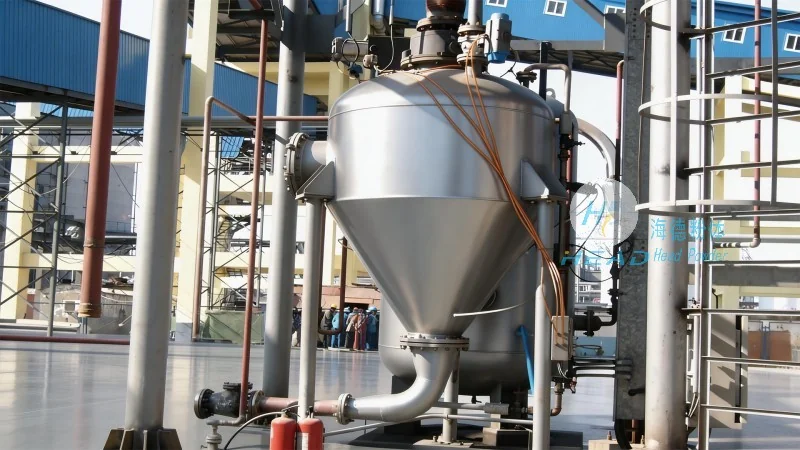
Pneumatic Conveying: The Advanced Solution
Pneumatic conveying, or air-assisted transport, is a sophisticated method that uses compressed air to move cement powder through a pipeline. This technology offers several advantages over traditional mechanical and gravity systems, making it the preferred choice for many industrial applications. Pneumatic systems provide gentle material handling, minimizing degradation and dust generation, which is critical for maintaining the quality of cement powder. The ability to transport materials over long distances and at high speeds further enhances operational efficiency. Additionally, pneumatic conveyors are flexible, allowing for easy integration into existing production lines and the ability to change conveying routes as needed.
HeadPowder's Pneumatic Conveying System: Advantages and Features
Shandong HeadPowder Engineering Co., Ltd., a leading manufacturer of cement powder handling equipment, specializes in developing advanced pneumatic conveying systems tailored to the unique needs of the cement industry. The company's headpowder brand offers a range of solutions designed to optimize cement powder transportation, ensuring high efficiency, reliability, and minimal material loss. Key advantages of HeadPowder's pneumatic conveying systems include:
Efficient Material Handling: The system uses high-pressure air to move cement powder through pipelines with minimal pressure drop, ensuring consistent flow rates and reduced energy consumption.
Low Maintenance: Advanced design and high-quality components result in lower maintenance requirements and longer service life, reducing downtime and operational costs.
Customizable Solutions: HeadPowder provides tailored systems that can be adapted to specific plant layouts, material characteristics, and production volumes, ensuring optimal performance.
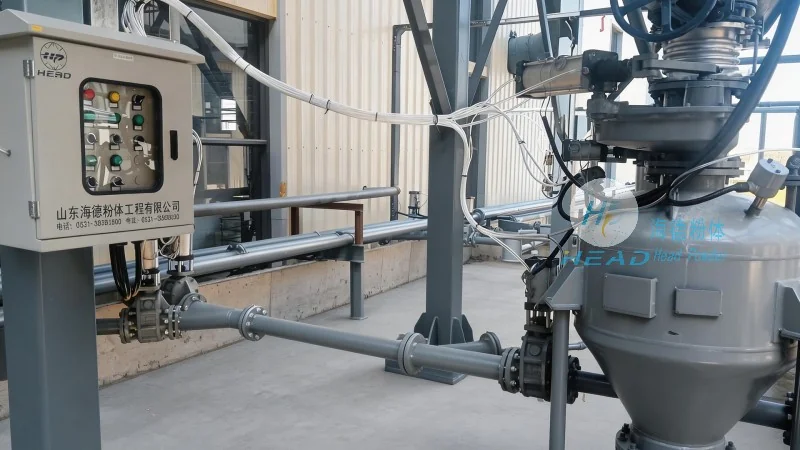
Environmental Protection: The enclosed pipeline design minimizes dust emissions, contributing to a cleaner working environment and compliance with environmental regulations.
HeadPowder's pneumatic conveying systems are engineered to handle the challenges of cement powder, including its fine particle size and tendency to clump. The use of specialized materials and components ensures that the system can withstand the abrasive nature of cement while maintaining high efficiency. Additionally, the company's expertise in material flow dynamics allows for the design of systems that minimize material degradation and segregation, preserving the quality of the cement powder throughout the conveying process.
Conclusion
Choosing the right cement powder conveying method is essential for maximizing operational efficiency and maintaining material quality. While gravity and mechanical systems have their place, pneumatic conveying offers superior performance and flexibility. HeadPowder's advanced pneumatic conveying systems provide a reliable and efficient solution for cement powder transportation, addressing the unique challenges of the industry. By investing in a HeadPowder system, companies can enhance their production processes, reduce costs, and ensure consistent quality in their cement powder handling operations.

 Công ty TNHH Kỹ thuật Công trình Bột Hải Đức Sơn Đông
 156-6277-7102(Quản lý Trương)
  0531-83386006
  Quận Chương Khâu, Thành phố Tế Nam, Tỉnh Sơn Đông, Trung Quốc
Điện thoại
WeChatTư vấn
Lên đầu