Công ty Hải Đức Bột với hơn 10 năm kinh nghiệm vận chuyển khí, cung cấp hệ thống‑thiết bị‑quạt gió và nhận dự án tổng thầu bột cả nước
Light calcium carbonate, a widely used industrial filler and pigment, requires efficient and reliable conveying methods to ensure smooth production processes. Conveying light calcium carbonate involves transporting the fine powder from storage to processing equipment, and various methods are employed across industries. Traditional approaches include gravity-based systems, mechanical screw conveyors, and pneumatic systems. Each method has its own set of advantages and limitations, making the selection critical for optimizing operational efficiency and product quality.
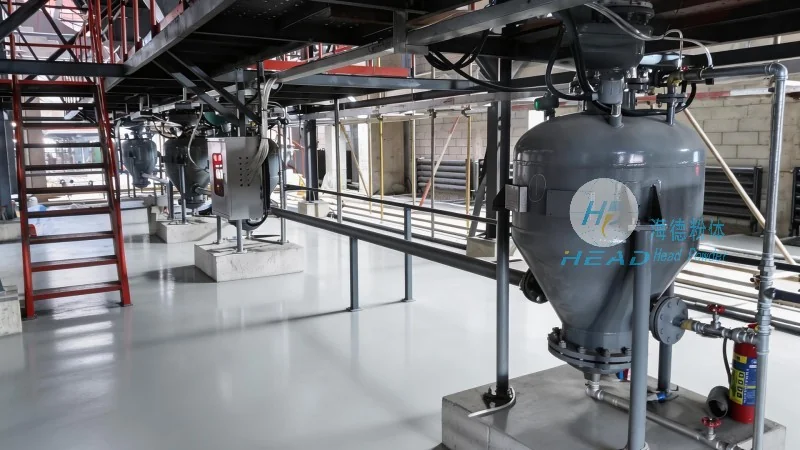
Overview of Common Light Calcium Carbonate Conveying Methods
Gravity conveyors, also known as bucket elevators or inclined chutes, rely on the natural force of gravity to move light calcium carbonate from lower to higher elevations. These systems are simple in design and require minimal maintenance, making them suitable for short-distance, low-volume applications. However, they are limited by the need for a steep incline and are prone to material buildup and blockages, especially with fine powders like light calcium carbonate.
Mechanical conveyors, such as screw conveyors and belt conveyors, use mechanical components to transport the powder. Screw conveyors, in particular, are popular for their ability to handle bulk materials and maintain a consistent flow. They are often used in horizontal or slightly inclined applications. While effective for many materials, mechanical conveyors can experience high friction and wear, leading to increased maintenance costs and potential product contamination. Additionally, they may not be suitable for very fine powders, as the risk of clogging increases.
Pneumatic Conveying: A Modern Solution for Light Calcium Carbonate Transport
Pneumatic conveying systems utilize air or gas to transport light calcium carbonate particles through a pipeline. This method offers several advantages over traditional gravity and mechanical systems, particularly for fine powders. The primary benefit is the ability to transport materials over longer distances and at higher elevations with minimal loss of material. Pneumatic systems also provide better control over the flow rate and can handle varying particle sizes and moisture content.
HeadPowder's Pneumatic Conveying System: Advantages and Features
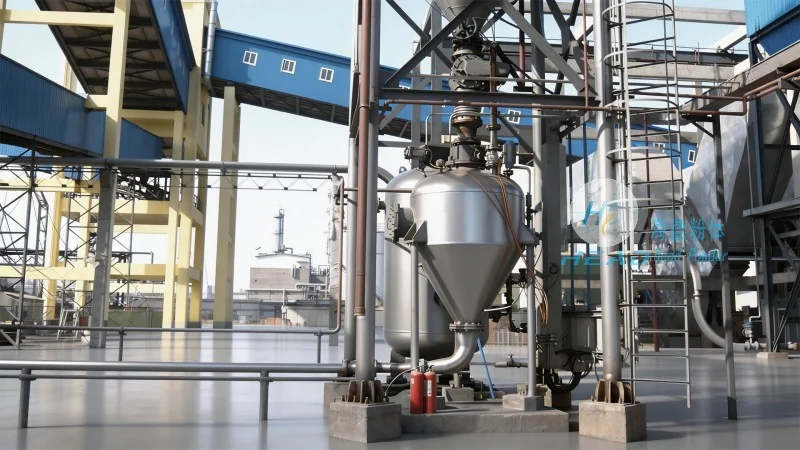
Shandong HeadPowder Engineering Co., Ltd., a leading manufacturer of light calcium carbonate processing equipment, has developed a specialized pneumatic conveying system designed to address the unique challenges of light calcium carbonate transport. The system is engineered to minimize product degradation, reduce dust emissions, and enhance overall operational efficiency. Key features include high-pressure air pumps, flexible hose connections, and advanced control systems that ensure consistent and reliable material flow.
One of the standout advantages of HeadPowder's pneumatic conveying system is its low maintenance requirements. The system is constructed with durable materials that resist corrosion and wear, reducing the need for frequent repairs. This not only lowers operational costs but also minimizes downtime, allowing production to continue without interruption. Additionally, the system is designed to be energy-efficient, using less power compared to traditional mechanical conveyors while achieving higher throughput rates.
Environmental and Safety Benefits
Light calcium carbonate is a fine powder that can generate significant dust during handling and transport. HeadPowder's pneumatic conveying system incorporates advanced dust control measures, such as sealed pipelines and filtration systems, to minimize environmental impact and ensure workplace safety. The enclosed system prevents dust from escaping into the air, reducing the risk of respiratory issues for workers and complying with environmental regulations. This feature is particularly important in industries where air quality standards are strictly enforced.
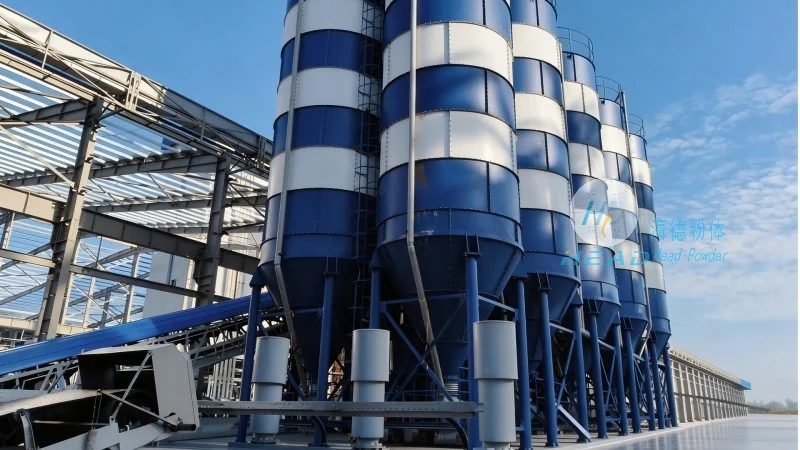
Application Examples and Performance Metrics
The effectiveness of HeadPowder's pneumatic conveying system has been demonstrated in various industrial applications. For instance, in a calcium carbonate processing plant, the system was able to transport 10 tons of light calcium carbonate per hour over a distance of 100 meters with minimal material loss. The system's efficiency was further highlighted by its ability to maintain a consistent flow rate, even when handling varying particle sizes. Performance metrics, such as throughput, energy consumption, and material recovery rates, consistently exceeded industry standards, making it a preferred choice for manufacturers seeking reliable and cost-effective transport solutions.
Conclusion: Choosing the Right Conveying Method for Light Calcium Carbonate
When selecting a conveying method for light calcium carbonate, manufacturers must consider factors such as material properties, distance, and operational requirements. While traditional gravity and mechanical systems have their place, pneumatic conveying offers superior performance and flexibility. HeadPowder's pneumatic conveying system, with its advanced features and proven performance, provides a reliable solution for transporting light calcium carbonate efficiently and safely. By investing in a high-quality pneumatic system from HeadPowder, companies can enhance their production processes, reduce costs, and ensure compliance with environmental regulations.

 Công ty TNHH Kỹ thuật Công trình Bột Hải Đức Sơn Đông
 156-6277-7102(Quản lý Trương)
  0531-83386006
  Quận Chương Khâu, Thành phố Tế Nam, Tỉnh Sơn Đông, Trung Quốc
Điện thoại
WeChatTư vấn
Lên đầu