Công ty Hải Đức Bột với hơn 10 năm kinh nghiệm vận chuyển khí, cung cấp hệ thống‑thiết bị‑quạt gió và nhận dự án tổng thầu bột cả nước
When it comes to the production of lithium-ion batteries, the efficient and reliable transportation of anode materials is a critical step. The anode material, typically a carbon-based compound such as graphite or silicon-carbon composites, must be conveyed from storage to processing equipment without degradation or contamination. Several conventional methods are used in the industry, each with its own set of advantages and limitations. Understanding these methods helps manufacturers choose the most suitable solution for their production lines.
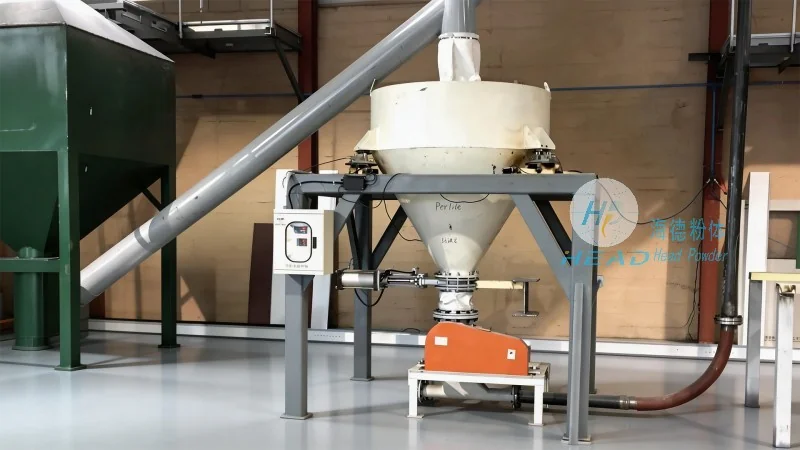
Traditional Conveying Methods and Their Limitations
Conventional material handling techniques often rely on mechanical systems like screw conveyors, belt conveyors, or bucket elevators. While these methods are widely used, they present several challenges when dealing with fine powders like anode materials. For instance, screw conveyors can cause material compaction and blockages, especially with high moisture content or cohesive powders. Belt conveyors, though effective for bulk materials, may lead to dust generation and require frequent maintenance to prevent material buildup on the belt surface. Bucket elevators, while capable of vertical transport, can suffer from material spillage and require regular cleaning to maintain efficiency.
Pneumatic Conveying: A Modern Solution for Anode Material Transport
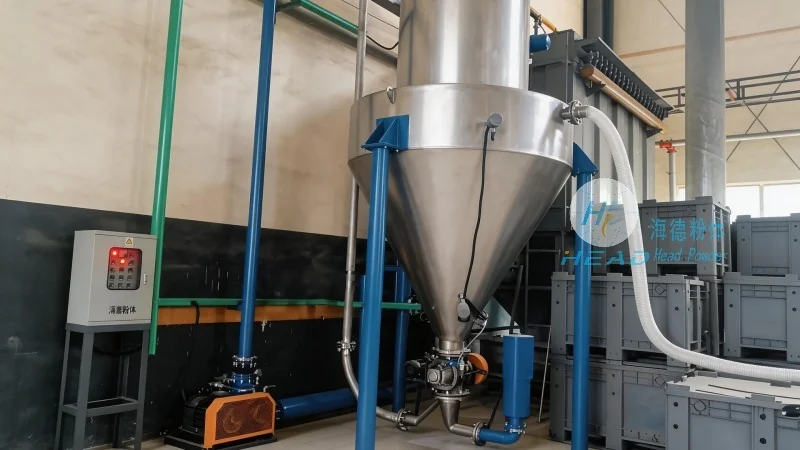
Pneumatic conveying, also known as air-powered conveying, has emerged as a preferred method for transporting fine powders and granular materials in the battery manufacturing industry. This technology uses compressed air to move materials through a pipeline system, eliminating the need for mechanical components that can cause wear and tear or contamination. The core components of a pneumatic conveying system include a hopper for material storage, a feeder to control the flow rate, a conveying line, and a receiver to deposit the material at the destination. The system operates by creating a pressure differential between the hopper and the receiver, allowing the material to be carried by the air stream.
Advantages of Pneumatic Conveying for Lithium-Ion Battery Anode Materials
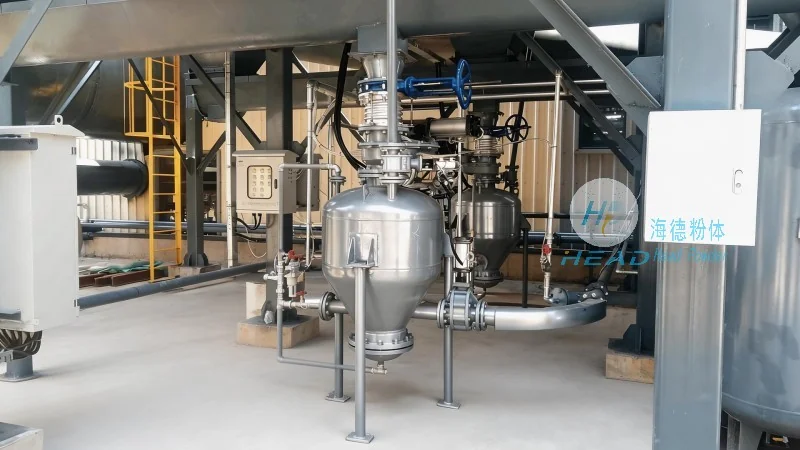
Compared to traditional mechanical methods, pneumatic conveying offers several key advantages that make it ideal for handling anode materials. First, it provides a closed system that minimizes dust exposure and contamination, which is crucial for maintaining the purity of the anode material. This is particularly important in battery production, where even trace impurities can affect the performance and lifespan of the final battery. Second, pneumatic systems can handle a wide range of particle sizes and moisture contents, making them versatile for different anode formulations. Third, they offer gentle material handling, reducing the risk of particle breakage or agglomeration, which can impact the material's electrochemical properties. Fourth, the system can be easily integrated with other production equipment, allowing for seamless material flow from storage to processing stages.
HeadPowder's Pneumatic Conveying System: Key Features and Benefits
Shandong HeadPowder Engineering Co., Ltd., a leading manufacturer of material handling solutions, specializes in designing and manufacturing advanced pneumatic conveying systems tailored for the lithium-ion battery industry. The company's system incorporates several innovative features that enhance performance and reliability. One of the standout features is the use of high-efficiency cyclone separators and filters, which ensure that the material is conveyed with minimal air loss and maximum cleanliness. The system also includes adjustable flow control mechanisms that allow operators to precisely regulate the material feed rate, preventing overloading or underloading of the processing equipment. Additionally, the conveying lines are constructed from corrosion-resistant materials, such as stainless steel or specialized polymers, to withstand the chemical properties of anode materials and ensure long-term durability.
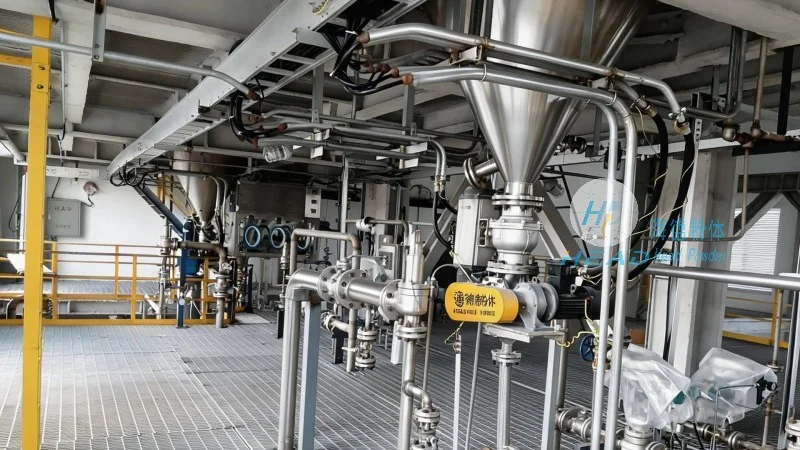
Customization and Scalability: Meeting Specific Production Needs
HeadPowder understands that each battery manufacturer has unique production requirements. Therefore, the company offers customized pneumatic conveying solutions that can be scaled to match the production capacity of the facility. Whether a small-scale laboratory setup or a large-scale industrial production line, the system can be designed to handle varying material volumes and processing speeds. The company's engineering team works closely with clients to assess their specific needs, including material characteristics, production flow, and space constraints, to develop a tailored solution that maximizes efficiency and minimizes downtime.
Conclusion: The Future of Anode Material Conveying
As the demand for lithium-ion batteries continues to grow, the importance of efficient and reliable material handling systems cannot be overstated. Pneumatic conveying, with its advantages in cleanliness, flexibility, and gentle handling, has become a preferred choice for transporting anode materials. HeadPowder's pneumatic conveying system, backed by years of expertise and innovation, provides a robust solution that meets the stringent requirements of the battery industry. By choosing a system from HeadPowder, manufacturers can ensure the consistent quality of their anode materials, improve production efficiency, and maintain a competitive edge in the market.

 Công ty TNHH Kỹ thuật Công trình Bột Hải Đức Sơn Đông
 156-6277-7102(Quản lý Trương)
  0531-83386006
  Quận Chương Khâu, Thành phố Tế Nam, Tỉnh Sơn Đông, Trung Quốc
Điện thoại
WeChatTư vấn
Lên đầu