Công ty Hải Đức Bột với hơn 10 năm kinh nghiệm vận chuyển khí, cung cấp hệ thống‑thiết bị‑quạt gió và nhận dự án tổng thầu bột cả nước
Understanding the various methods of dust conveyance is crucial for industries dealing with powders and particulate materials. Effective dust handling systems ensure safety, efficiency, and compliance with environmental regulations. In this article, we explore the primary methods used for transporting dust, focusing on the technologies and applications that make these processes reliable and sustainable.
1. Air-Driven Conveying Systems
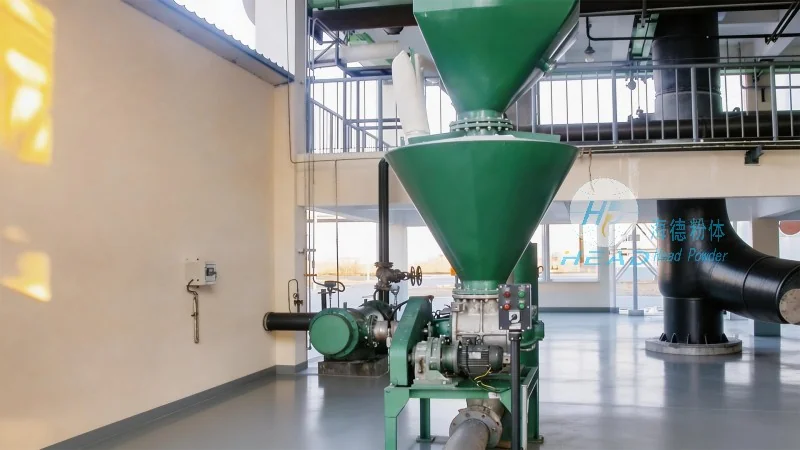
Air-driven or pneumatic conveying systems are among the most common methods for transporting dust. These systems use compressed air or other gases to move powders through a pipeline. There are two main types: pressure and vacuum systems. Pressure systems push the material forward using high-pressure air, while vacuum systems draw the material into the system using low-pressure air. This method is ideal for handling fine powders and can be used over long distances with minimal maintenance. The technology behind these systems involves the use of specialized nozzles, filters, and control valves to ensure consistent flow and prevent blockages. Companies like Shandong HeadPowder Engineering Co., Ltd. specialize in designing and manufacturing such systems, tailored to the specific needs of their clients.
2. Mechanical Conveying Systems
Mechanical conveying systems rely on mechanical components to transport dust. These include screw conveyors, belt conveyors, and bucket elevators. Screw conveyors use a rotating screw to push material along a tube, making them suitable for handling dry, free-flowing powders. Belt conveyors use a continuous belt to move material horizontally or at an incline, often used in bulk material handling applications. Bucket elevators lift material vertically using buckets attached to a chain or belt. Mechanical systems are generally more cost-effective for short to medium distances and are less susceptible to air quality issues compared to pneumatic systems. However, they may require more space and can be less flexible in terms of layout changes.
3. Hydraulic Conveying Systems
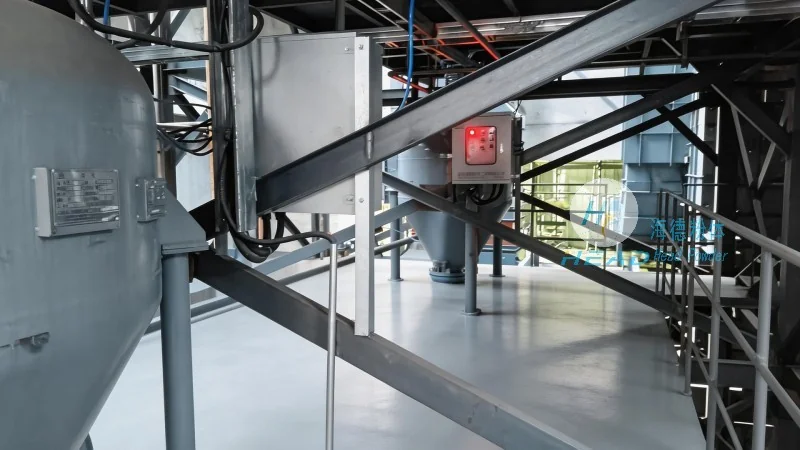
Hydraulic conveying systems use water or other liquids to transport dust. The material is mixed with the liquid to form a slurry, which is then pumped through pipelines. This method is particularly effective for handling abrasive or corrosive powders that might damage other types of equipment. Hydraulic systems are often used in mining and mineral processing industries where large volumes of material need to be moved. The process involves a slurry pump, pipelines, and a settling tank to separate the solid material from the liquid. While effective, hydraulic systems require additional equipment for slurry treatment and may have higher operational costs due to water usage and disposal considerations.
4. Vacuum Assisted Conveying
Vacuum-assisted conveying is a specialized form of pneumatic conveying that uses low-pressure air to draw material into the system. This method is ideal for applications where the material is located in a confined space or needs to be collected from multiple points. The system typically includes a vacuum pump, collection hoppers, and a transport line. Vacuum-assisted systems are often used in dust collection and material recovery processes, where the goal is to collect and transport dust from various sources to a central processing unit. The technology ensures that the material is moved gently, reducing the risk of product degradation or loss. Companies specializing in dust handling, such as Shandong HeadPowder Engineering Co., Ltd., offer customized vacuum-assisted solutions to meet the unique requirements of different industries.
5. Combination Systems
In many industrial applications, a single dust conveyance method may not be sufficient. Combination systems, which integrate multiple technologies, are often used to achieve optimal performance. For example, a system might use a mechanical conveyor to transport material over a short distance and then switch to a pneumatic system for the final transport to a processing plant. Another common combination is using a hydraulic system to handle abrasive materials and then converting the slurry into a dry powder using a drying unit before pneumatic transport. These hybrid systems allow for greater flexibility and efficiency, adapting to the varying characteristics of different materials and operational needs. The design of combination systems requires careful planning to ensure smooth transitions between different stages and to maintain consistent material quality throughout the process.
6. Factors Influencing Conveyance Method Selection
The choice of dust conveyance method depends on several key factors, including the properties of the material being handled, the distance it needs to be transported, and the available space and budget. Material properties such as particle size, density, moisture content, and flowability are critical. Fine, dry powders are often better suited for pneumatic systems, while bulkier or wetter materials may require mechanical or hydraulic systems. The distance to be covered also plays a role; pneumatic systems are more suitable for long distances, while mechanical systems are more practical for shorter distances. Additionally, the layout of the facility and the need for flexibility in system modifications can influence the choice. For instance, a system that needs to be easily reconfigured for different production runs might benefit from a modular pneumatic design. Companies like Shandong HeadPowder Engineering Co., Ltd. provide expert consultation to help clients evaluate these factors and select the most appropriate dust conveyance method for their specific applications.
7. Maintenance and Operational Considerations
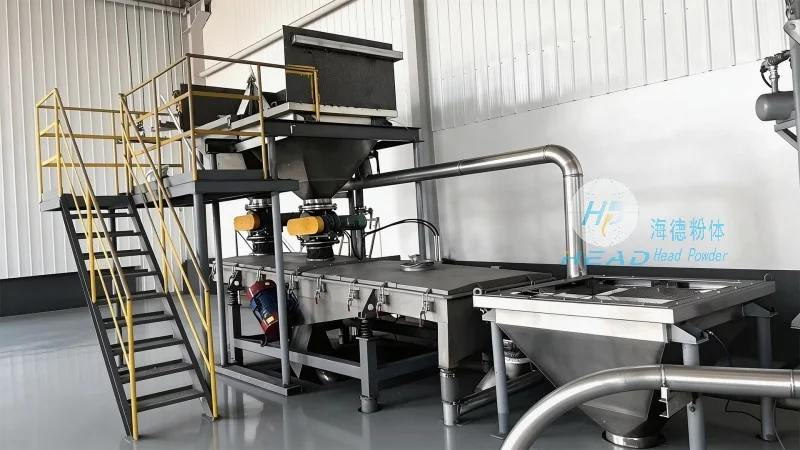
Once a dust conveyance system is installed, proper maintenance is essential to ensure long-term performance and reliability. Regular cleaning of pipelines and filters is crucial to prevent blockages and maintain air quality. For pneumatic systems, checking for air leaks and ensuring proper pressure levels is important. Mechanical systems require periodic inspection of moving parts, such as bearings and gears, to prevent wear and tear. Hydraulic systems need to monitor fluid levels and check for contamination, as water or debris can damage pumps and pipelines. Operational considerations also include energy efficiency and environmental impact. Modern dust conveyance systems are designed to minimize energy consumption and reduce emissions, aligning with sustainability goals. Companies specializing in dust handling equipment, such as Shandong HeadPowder Engineering Co., Ltd., offer maintenance services and training to help clients optimize their systems and extend their lifespan.
8. Conclusion
Choosing the right method of dust conveyance is a critical decision for industries dealing with powders and particulate materials. The various methods—air-driven, mechanical, hydraulic, and vacuum-assisted—each offer unique advantages and are suitable for different applications. By understanding the properties of the material, the distance to be covered, and the operational requirements, companies can select the most effective system. Customization and integration of multiple technologies are also important for achieving optimal performance. With proper maintenance and operational management, dust conveyance systems can provide reliable and efficient material handling solutions. Shandong HeadPowder Engineering Co., Ltd. stands as a leader in providing tailored dust handling solutions, helping industries enhance their productivity and compliance with environmental standards.

 Công ty TNHH Kỹ thuật Công trình Bột Hải Đức Sơn Đông
 156-6277-7102(Quản lý Trương)
  0531-83386006
  Quận Chương Khâu, Thành phố Tế Nam, Tỉnh Sơn Đông, Trung Quốc
Điện thoại
WeChatTư vấn
Lên đầu