Công ty Hải Đức Bột với hơn 10 năm kinh nghiệm vận chuyển khí, cung cấp hệ thống‑thiết bị‑quạt gió và nhận dự án tổng thầu bột cả nước
Carbon black, a critical material in various industries including rubber, plastics, and pigments, requires efficient and reliable transportation from production sites to processing facilities. The method of conveyance significantly impacts operational efficiency, material quality, and overall production costs. This article explores the primary methods of carbon black conveyance, highlighting the technologies and considerations that ensure smooth material handling.
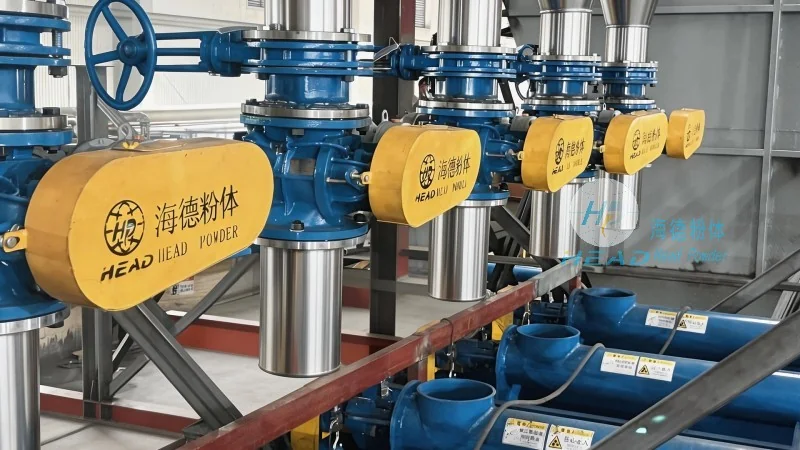
1. Pneumatic Conveying Systems
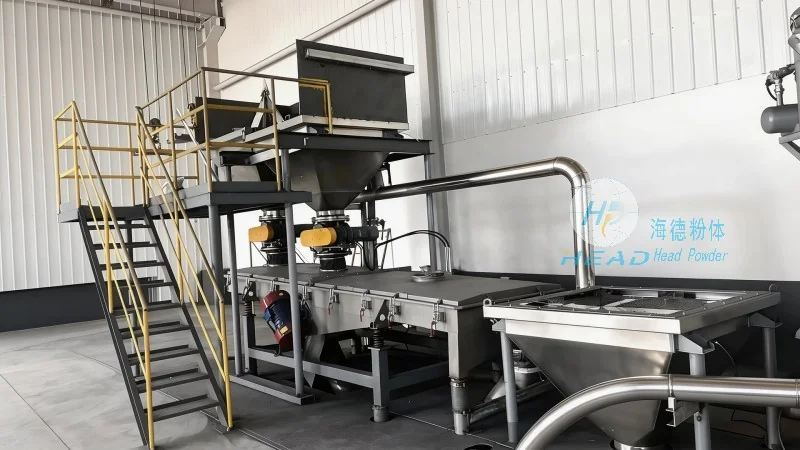
Pneumatic conveying, also known as air conveying, is a widely used method for transporting carbon black due to its ability to handle fine powders over long distances. This system operates by using compressed air to move particles through a pipeline. There are two main types: dilute-phase and dense-phase pneumatic conveying. Dilute-phase systems use low air velocity and are suitable for short to medium distances, while dense-phase systems employ higher air pressure and are ideal for longer distances or when handling more abrasive materials. The choice between these depends on factors such as the carbon black particle size, moisture content, and the required delivery speed. Pneumatic conveyors are known for their low maintenance requirements and the ability to integrate with existing production lines, making them a popular choice for many manufacturers.
2. Mechanical Conveying Systems
For applications where pneumatic systems are not feasible or cost-effective, mechanical conveyors offer a reliable alternative. These systems rely on mechanical components like belts, screws, or buckets to transport carbon black. Belt conveyors are commonly used for horizontal or slightly inclined transport, providing a continuous and stable flow. Screw conveyors, also known as augers, are effective for vertical or inclined transport, especially in confined spaces. Bucket elevators are another option, suitable for vertical lifting of carbon black, often used in bulk handling operations. Mechanical conveyors are generally more cost-effective for shorter distances and when the material is less prone to dust or clogging. However, they may require more maintenance and are less flexible in terms of distance and layout compared to pneumatic systems.
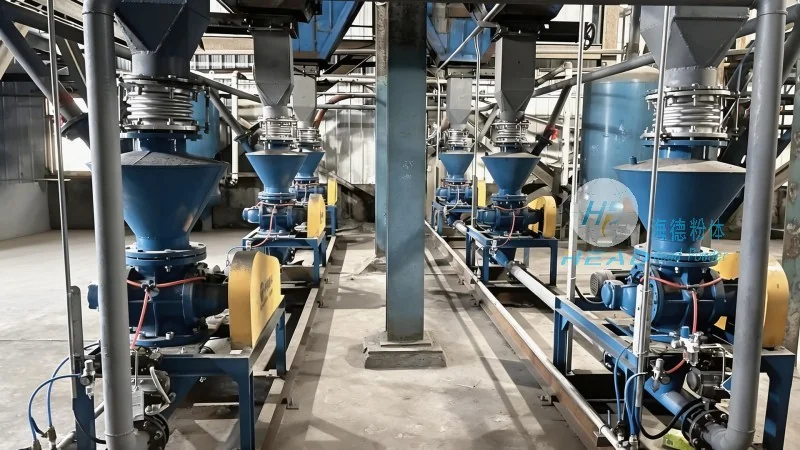
3. Hybrid Conveying Solutions
In some cases, a combination of pneumatic and mechanical systems, known as hybrid conveyors, is employed to leverage the benefits of both technologies. For example, a pneumatic system might be used to transport carbon black from a production unit to a mechanical conveyor that then moves it to a storage silo. This approach allows for efficient long-distance transport followed by precise, low-speed delivery to the final destination. Hybrid systems are particularly useful in complex production environments where multiple handling stages are required, ensuring that carbon black is moved safely and efficiently from source to end-use.
4. Factors Influencing Conveyance Method Selection
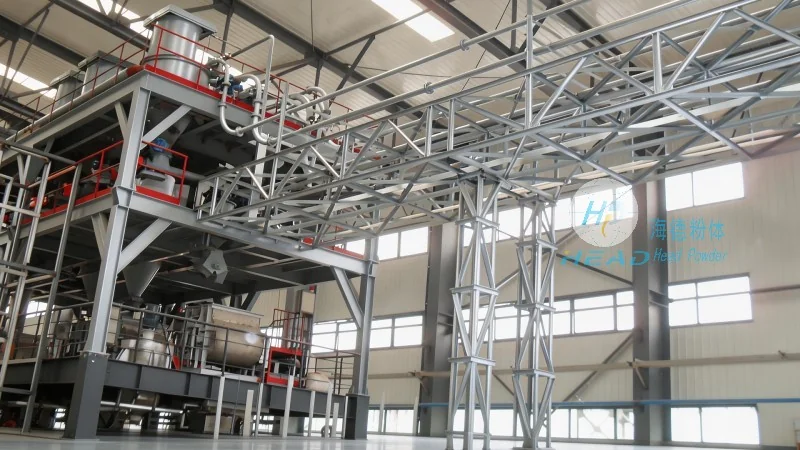
The selection of an appropriate carbon black conveyance method depends on several key factors. Particle size and density are critical, as finer particles may require more controlled air flow in pneumatic systems to prevent clogging. Moisture content also plays a role, as high moisture can affect the flowability of carbon black and may necessitate pre-drying or specialized equipment. The distance between the production and processing areas is another important consideration, with pneumatic systems generally preferred for longer distances. Additionally, the need for dust control and environmental compliance can influence the choice, as some systems may require additional filtration or containment measures. Manufacturers must also consider the scale of operation, with larger facilities often opting for more robust and automated conveyance solutions.
5. HeadPowder's Expertise in Carbon Black Conveyance
Shandong HeadPowder Engineering Co., Ltd., commonly known as HeadPowder, is a leading provider of specialized equipment and solutions for carbon black handling. With operations based in Shandong, China, HeadPowder has extensive experience in designing and implementing conveyance systems tailored to the unique needs of carbon black producers. The company’s expertise lies in understanding the specific challenges of carbon black, such as its fine particle size and potential for dust generation, and developing solutions that ensure efficient, safe, and cost-effective transport. HeadPowder offers a range of pneumatic and mechanical conveyors, as well as hybrid systems, all engineered to meet industry standards and customer requirements. By leveraging advanced technology and a deep understanding of material behavior, HeadPowder helps clients optimize their carbon black conveyance processes, reducing downtime and improving overall operational performance.

 Công ty TNHH Kỹ thuật Công trình Bột Hải Đức Sơn Đông
 156-6277-7102(Quản lý Trương)
  0531-83386006
  Quận Chương Khâu, Thành phố Tế Nam, Tỉnh Sơn Đông, Trung Quốc
Điện thoại
WeChatTư vấn
Lên đầu