Công ty Hải Đức Bột với hơn 10 năm kinh nghiệm vận chuyển khí, cung cấp hệ thống‑thiết bị‑quạt gió và nhận dự án tổng thầu bột cả nước
At Shandong HeadPowder Engineering Co., Ltd., we specialize in providing efficient and reliable solutions for abrasive powder handling. The methods of conveying abrasive powders are crucial for maintaining production efficiency and ensuring product quality in various industrial applications. Understanding the different types of abrasive powder conveyance systems is essential for selecting the most suitable option for specific operational needs.
Common Abrasive Powder Conveyance Methods
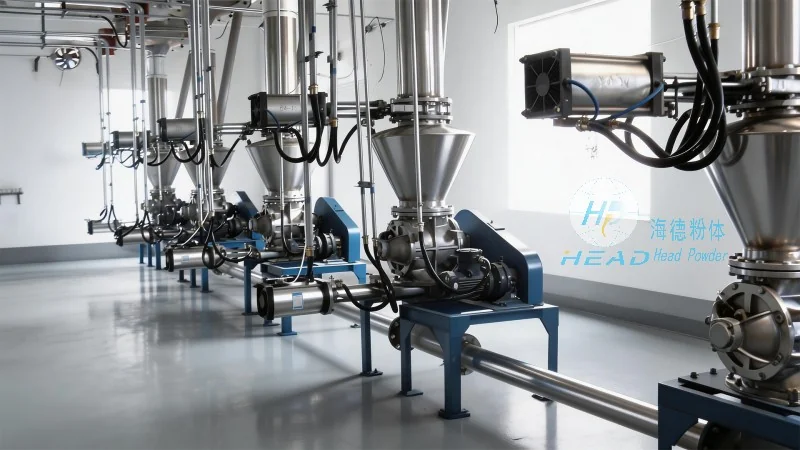
There are several primary methods used for transporting abrasive powders, each with its own advantages and applications. The choice of conveyance method depends on factors such as the material properties, production scale, and environmental considerations. Here are the most common approaches:
Air-Driven Pneumatic Conveying Systems
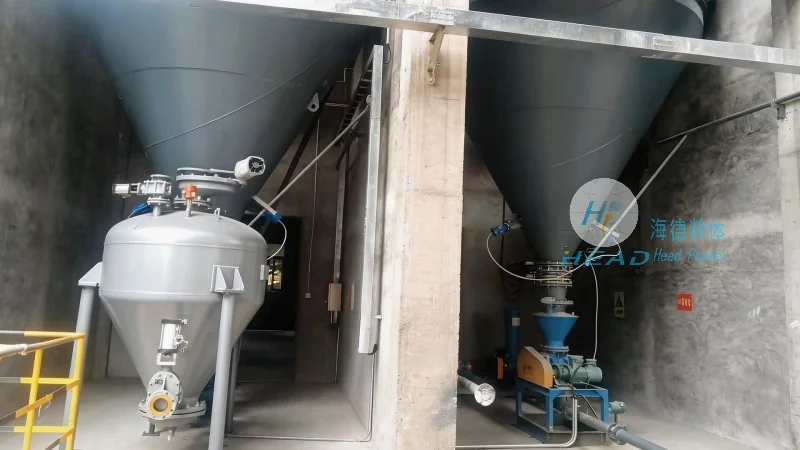
Pneumatic conveying systems utilize compressed air to transport abrasive powders through a pipeline. This method is highly effective for handling fine or dusty powders and is widely used in industries like woodworking, metalworking, and surface finishing. The system typically consists of a hopper, a blower, and a pipeline network. The abrasive powder is fed into the hopper and then drawn into the pipeline by the air flow, moving to the destination point. Pneumatic conveying offers advantages such as low maintenance, flexibility in layout, and the ability to handle materials over long distances. However, it may require higher energy consumption and careful consideration of air filtration to prevent dust accumulation.
Mechanical Conveying Systems
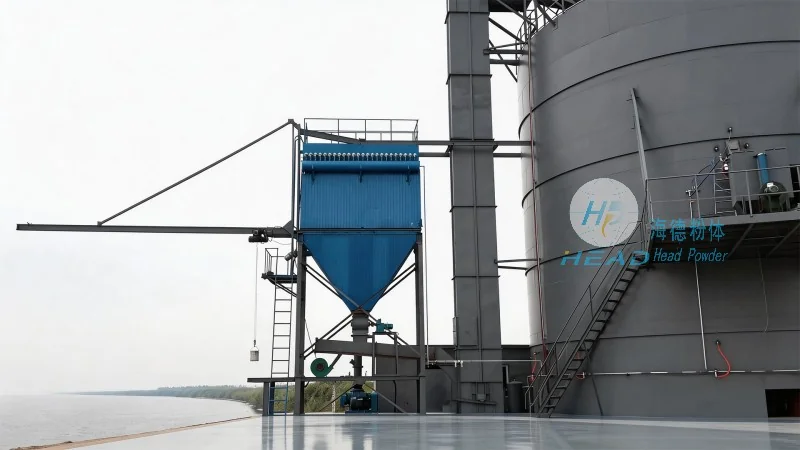
Mechanical conveyors, including screw conveyors and belt conveyors, are another popular choice for abrasive powder transport. Screw conveyors use a rotating screw to move material along a trough, while belt conveyors rely on a moving belt to transport the powder. These systems are suitable for bulk materials and can handle a wide range of particle sizes. Mechanical conveyors are generally more cost-effective and energy-efficient compared to pneumatic systems, especially for short to medium distances. They also provide better control over material flow and are less susceptible to air pressure fluctuations. However, they may require more maintenance and are less suitable for fine powders that can cause blockages or wear on the conveyor components.
Vacuum Conveying Systems
Vacuum conveying systems operate by creating a negative pressure in the pipeline to draw abrasive powders from the source to the destination. This method is particularly effective for handling fine powders and can be used for both short and long-distance transport. The system includes a vacuum pump, a hopper, and a pipeline. The powder is drawn into the pipeline by the vacuum, and the air is then filtered and recycled. Vacuum conveying offers advantages such as low noise levels, reduced dust emissions, and the ability to handle materials with high moisture content. It is commonly used in applications where dust control is critical, such as in food processing or pharmaceutical industries. However, it may have limitations in terms of maximum conveying distance and material throughput compared to pneumatic systems.
Factors Influencing the Selection of Abrasive Powder Conveyance Methods
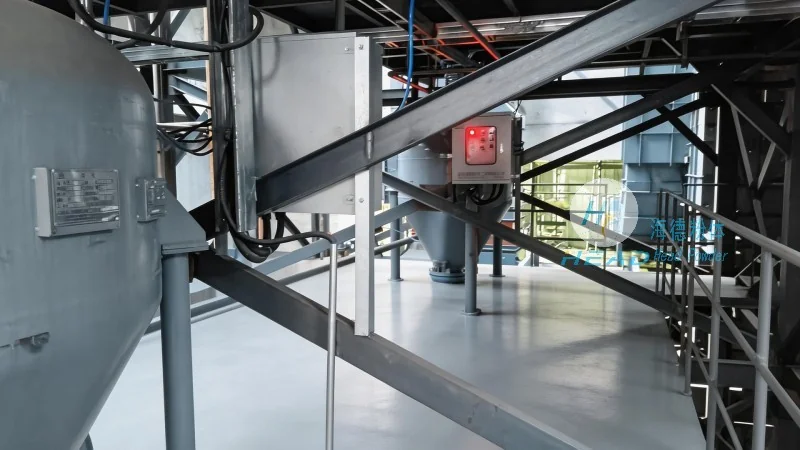
When selecting an abrasive powder conveyance method, several factors must be considered to ensure optimal performance and efficiency. The first factor is the physical properties of the abrasive powder, including particle size, density, and moisture content. Fine powders with high moisture content may require specialized equipment to prevent caking or blockages. The second factor is the production scale and distance requirements. For large-scale operations over long distances, pneumatic or vacuum systems may be more suitable, while for smaller-scale applications, mechanical conveyors can be more cost-effective. The third factor is environmental considerations, such as dust control and noise levels. Industries with strict regulations on air quality may prefer vacuum or enclosed mechanical systems to minimize emissions. The fourth factor is maintenance and operational costs. Mechanical systems generally have lower energy consumption and maintenance requirements, while pneumatic systems may require more frequent filter changes and air compressor maintenance.
HeadPowder's Expertise in Abrasive Powder Conveyance
As a leading manufacturer of abrasive powder handling equipment, HeadPowder provides customized solutions tailored to the specific needs of our clients. Our team of engineers and technicians has extensive experience in designing and implementing various conveyance systems, ensuring that each solution meets the highest standards of efficiency and reliability. We offer a range of products, including pneumatic conveyors, screw conveyors, and vacuum systems, all designed to handle abrasive powders with precision and care. Our commitment to quality and customer satisfaction has made us a trusted partner for businesses in the woodworking, metalworking, and surface finishing industries. Based in Shandong, China, HeadPowder leverages its local expertise and advanced technology to deliver innovative solutions that enhance productivity and reduce operational costs for our clients worldwide.

 Công ty TNHH Kỹ thuật Công trình Bột Hải Đức Sơn Đông
 156-6277-7102(Quản lý Trương)
  0531-83386006
  Quận Chương Khâu, Thành phố Tế Nam, Tỉnh Sơn Đông, Trung Quốc
Điện thoại
WeChatTư vấn
Lên đầu