Công ty Hải Đức Bột với hơn 10 năm kinh nghiệm vận chuyển khí, cung cấp hệ thống‑thiết bị‑quạt gió và nhận dự án tổng thầu bột cả nước
When it comes to handling and transporting polypropylene (PP), selecting the right conveying method is crucial for efficiency, cost-effectiveness, and material integrity. Polypropylene is a widely used thermoplastic known for its lightweight, durability, and versatility in various industries. The choice of conveying system depends on factors such as the material's properties, the scale of operation, and the specific requirements of the process. In this article, we will explore the primary methods used for polypropylene conveying, highlighting their advantages and applications.
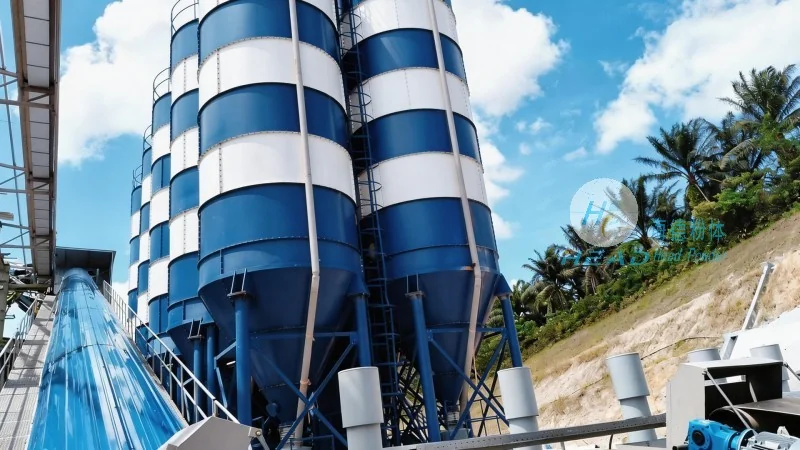
1. Screw Conveyors for Polypropylene Handling
Screw conveyors, also known as auger conveyors, are among the most common and effective methods for transporting polypropylene. These systems consist of a rotating helical screw inside a tube or trough, which moves the material forward through the conveyor. For polypropylene, screw conveyors are particularly suitable due to their ability to handle bulk materials with minimal friction and low maintenance. The smooth, self-cleaning design of the screw helps prevent material buildup and ensures consistent flow. This makes screw conveyors ideal for applications where the material needs to be moved vertically or horizontally over short to medium distances. The system is also capable of handling different forms of polypropylene, including pellets, granules, and powders, without causing excessive wear or degradation. Additionally, screw conveyors can be integrated with other processing equipment, such as mixers or dryers, to form a seamless material handling line. This integration enhances operational efficiency and reduces downtime, making them a popular choice in the plastics industry.
2. Pneumatic Conveying Systems for Polypropylene
Pneumatic conveying systems use air or other gases to transport polypropylene particles through a pipeline. This method is particularly effective for handling fine powders or pellets that are difficult to move with mechanical systems. There are two main types of pneumatic conveying: dilute-phase and dense-phase. Dilute-phase systems rely on high-velocity air to carry the material, while dense-phase systems use lower air velocities and higher material concentrations. For polypropylene, dense-phase conveying is often preferred as it minimizes material degradation and provides better control over the flow rate. The system typically includes a hopper, a blower, and a pipeline network. The polypropylene is fed into the hopper, and the blower creates the necessary pressure to move the material through the pipeline. Pneumatic conveying offers several advantages, including the ability to transport materials over long distances, the elimination of mechanical parts in contact with the material, and the reduction of dust and contamination. However, it requires careful design to ensure proper air flow and prevent blockages, especially with polypropylene's tendency to agglomerate. Proper maintenance and regular cleaning of the pipeline are essential to maintain system efficiency and prevent material buildup.
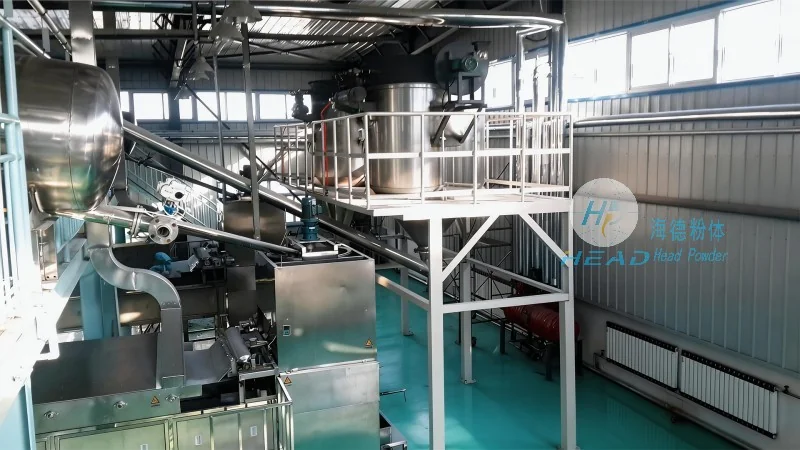
3. Belt Conveyors for Bulk Polypropylene Transport
Belt conveyors are another widely used method for transporting polypropylene, especially in applications involving larger volumes or longer distances. These systems consist of a continuous belt that moves over rollers or pulleys, carrying the material from one point to another. Belt conveyors are particularly effective for handling polypropylene pellets or granules, as the smooth belt surface reduces friction and prevents material damage. The design of the conveyor can be customized to suit the specific needs of the operation, including the angle of inclination, the speed of the belt, and the width of the belt. For polypropylene, belt conveyors are often used in combination with other equipment, such as feeders or elevators, to form a complete material handling system. This integration allows for efficient transfer of the material from storage to processing areas. Belt conveyors are known for their high capacity and low maintenance costs, making them a cost-effective solution for bulk polypropylene transport. However, they require regular inspection and maintenance to ensure the belt remains in good condition and the rollers are properly aligned. Proper lubrication and cleaning of the belt and rollers are essential to prevent wear and tear and maintain the system's performance.
4. Bucket Elevators for Vertical Polypropylene Conveying
Bucket elevators are specialized conveying systems designed for vertical transport of polypropylene materials. These systems consist of a vertical or inclined conveyor with a series of buckets attached to a chain or belt. The buckets are filled with polypropylene at the bottom and lifted to the top, where the material is discharged. Bucket elevators are particularly useful when the material needs to be moved vertically over significant heights, such as from a storage silo to a processing line. For polypropylene, bucket elevators are chosen for their ability to handle large volumes of material with minimal space requirements. The system is also capable of transporting materials at high speeds, which increases overall throughput. However, bucket elevators require careful design to ensure proper bucket spacing and chain tension, as improper setup can lead to material spillage or system failure. Regular maintenance, including inspection of the buckets and chain, is essential to maintain the system's reliability and prevent downtime. Bucket elevators are commonly used in industries where vertical transport is necessary, such as in the plastics manufacturing and chemical processing sectors.
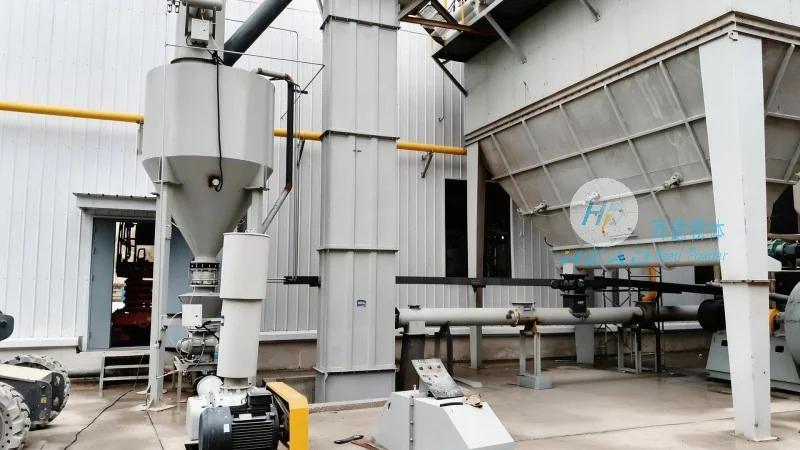
5. Vibrating Conveyors for Polypropylene Material Handling
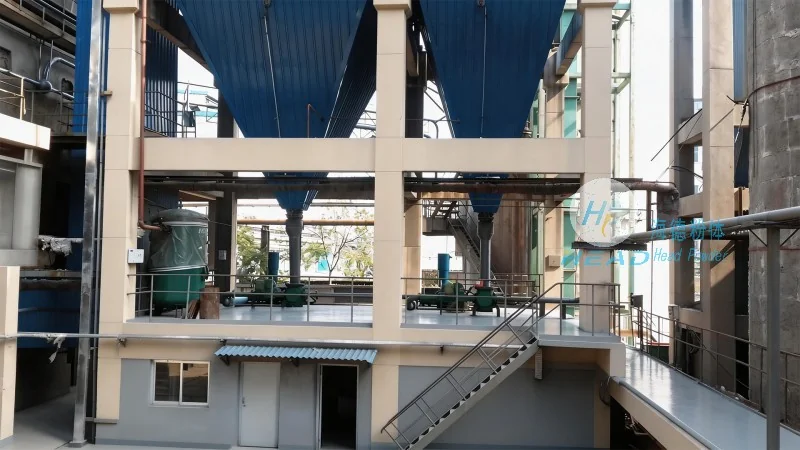
Vibrating conveyors use vibrations to move polypropylene materials along a trough or conveyor bed. These systems consist of a conveyor trough that is mounted on a vibrating mechanism, causing the material to move forward due to the vibrations. Vibrating conveyors are particularly effective for handling polypropylene powders or granules that are prone to sticking or agglomerating. The vibration helps break up clumps and ensures consistent flow, reducing the risk of blockages. For polypropylene, vibrating conveyors are often used in applications where the material needs to be transported over long distances or through changes in elevation. The system is also capable of handling wet or sticky materials, making it a versatile choice for various processing environments. Vibrating conveyors are known for their low maintenance requirements and ability to handle a wide range of materials. However, they require proper alignment and vibration control to prevent excessive wear on the conveyor components. Regular inspection of the vibrating mechanism and trough is essential to maintain the system's performance and extend its lifespan.
6. Considerations for Choosing the Right Polypropylene Conveying Method
When selecting a conveying method for polypropylene, several factors must be considered to ensure optimal performance and efficiency. The first consideration is the material's properties, such as its density, moisture content, and tendency to agglomerate. Polypropylene's lightweight and low friction properties make it suitable for certain systems but may require adjustments for others. The scale of the operation is another critical factor, as different systems are designed for varying capacities. For small-scale applications, a screw conveyor or a pneumatic system may be sufficient, while large-scale operations may require belt conveyors or bucket elevators. The distance and direction of material transport also play a role, as some systems are better suited for horizontal or vertical movement. Additionally, the integration with other processing equipment should be considered, as a well-designed system can enhance overall operational efficiency. Cost is another important factor, as different conveying methods have varying maintenance and operational costs. Finally, safety considerations, such as dust control and material containment, should not be overlooked. By carefully evaluating these factors, businesses can choose the most appropriate conveying method for their polypropylene handling needs.
Conclusion
In conclusion, the methods of polypropylene conveying vary depending on the specific requirements of the operation. Screw conveyors, pneumatic systems, belt conveyors, bucket elevators, and vibrating conveyors each offer unique advantages and are suitable for different applications. The choice of system should be based on factors such as material properties, scale of operation, distance, and integration with other equipment. By selecting the right conveying method, businesses can improve efficiency, reduce costs, and ensure the integrity of the polypropylene material. As a leading provider of material handling solutions, Shandong HeadPowder Engineering Co., Ltd. specializes in designing and manufacturing customized conveying systems tailored to the needs of the plastics industry. With years of experience and a commitment to quality, HeadPowder offers reliable and efficient solutions for polypropylene conveying, helping businesses optimize their material handling processes and achieve their operational goals.

 Công ty TNHH Kỹ thuật Công trình Bột Hải Đức Sơn Đông
 156-6277-7102(Quản lý Trương)
  0531-83386006
  Quận Chương Khâu, Thành phố Tế Nam, Tỉnh Sơn Đông, Trung Quốc
Điện thoại
WeChatTư vấn
Lên đầu