Công ty Hải Đức Bột với hơn 10 năm kinh nghiệm vận chuyển khí, cung cấp hệ thống‑thiết bị‑quạt gió và nhận dự án tổng thầu bột cả nước
HeadPowder, or Shandong HeadPowder Engineering Co., Ltd., is a professional manufacturer based in Shandong, China, specializing in the production and supply of silicone powder and related delivery solutions. The company focuses on providing efficient and reliable methods for handling silicone powder, ensuring optimal performance in various industrial applications.
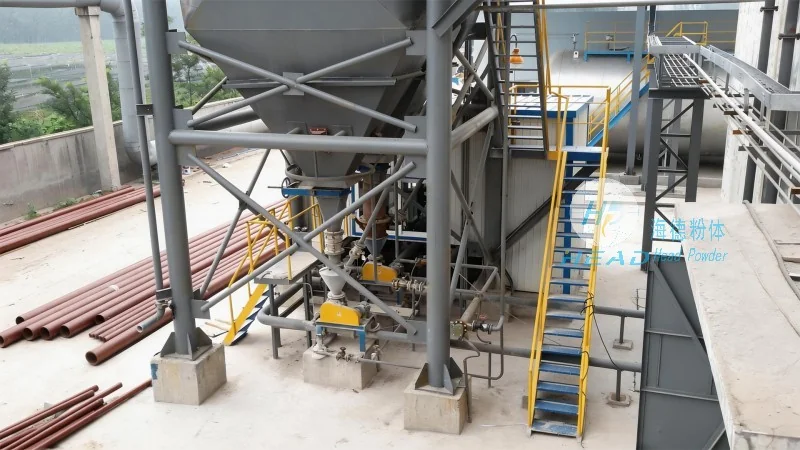
Silicone Powder Delivery Methods: An Overview
Silicone powder, a versatile material widely used in industries such as electronics, cosmetics, and construction, requires specialized delivery systems to ensure safe and efficient transport. The choice of delivery method depends on factors like powder properties, production scale, and environmental considerations. Below are some common and effective delivery methods for silicone powder:
1. Pneumatic Conveying Systems
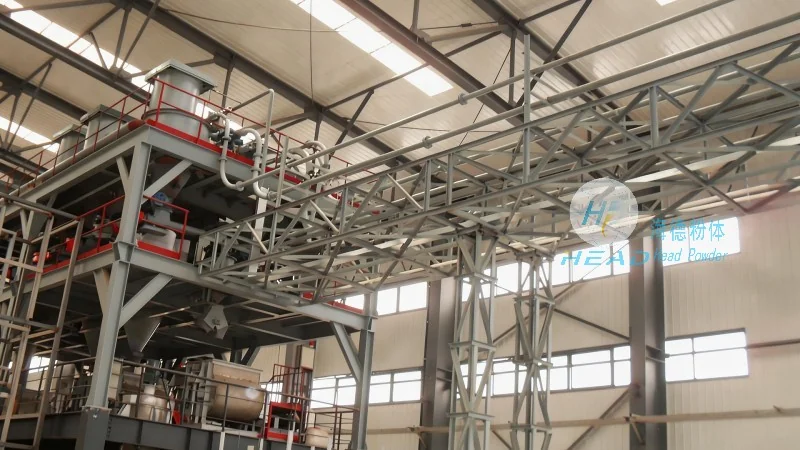
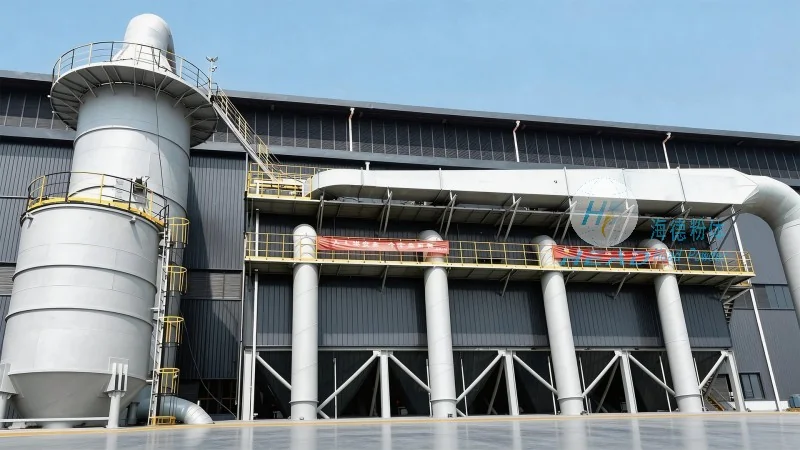
Pneumatic conveying, or air-assisted transport, is a widely adopted method for silicone powder due to its ability to handle fine powders without physical contact. This system operates by using compressed air to create a flow that moves the powder through a pipeline. It typically combines positive and negative pressure stages to ensure efficient transport, even over long distances. The primary advantages of pneumatic conveying include minimal product contamination, high transport efficiency, and the ability to handle both dry and wet powders. It is particularly suitable for large-scale industrial operations where bulk transport of silicone powder is required, such as in manufacturing plants or material processing facilities. The system also allows for easy integration with other processing equipment, enhancing overall workflow. There are two main types of pneumatic conveying: positive pressure and negative pressure. Positive pressure systems use a blower to push air and powder through the pipeline, while negative pressure systems use a vacuum to draw powder into the system. The choice between them depends on the specific application and distance of transport.
2. Screw Conveyors
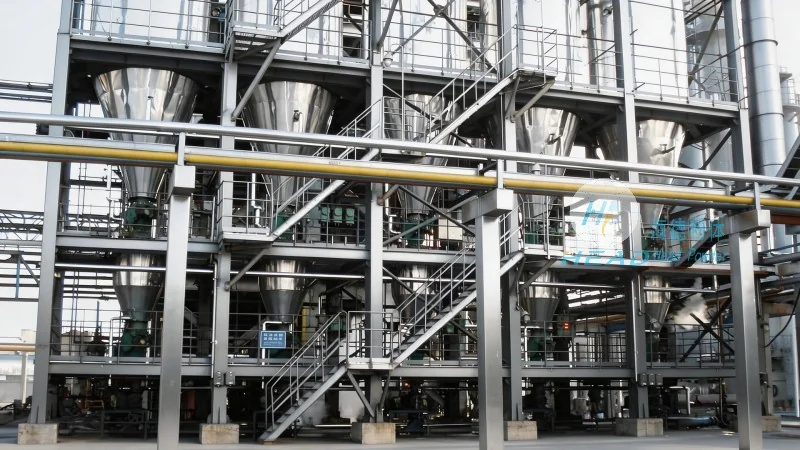
Screw conveyors, or auger conveyors, are another reliable method for delivering silicone powder. These systems utilize a rotating screw (auger) to move powder along a trough or tube. They are ideal for horizontal or slight incline transport and are effective for handling bulk quantities of powder. Screw conveyors offer low maintenance costs and simple operation, making them a cost-effective solution for many applications. The design allows for gentle handling of the powder, reducing the risk of degradation or agglomeration. However, they may not be suitable for very fine powders that could cause blockages or excessive wear on the screw and trough. Proper selection of screw pitch and material is essential to ensure optimal performance with silicone powder. For example, a larger pitch screw is suitable for free-flowing powders, while a smaller pitch is better for cohesive materials. The material of the screw and trough, such as stainless steel or food-grade plastic, can also impact performance and compatibility with silicone powder.
3. Vibrating Conveyors
Vibrating conveyors employ vibrations to move silicone powder along a conveyor bed. This method is particularly effective for handling powders with poor flowability or those that tend to stick to surfaces. The vibrations help to break up agglomerates and maintain consistent flow, preventing material buildup and ensuring smooth transport. Vibrating conveyors are especially useful in applications where sticky or cohesive silicone powders are involved, such as in pharmaceutical or food processing industries. They offer the advantage of gentle handling, which is crucial for maintaining product quality. Additionally, the system can be adjusted to control the speed and intensity of vibrations, allowing for customization based on the specific powder characteristics. This adaptability makes vibrating conveyors a versatile choice for various silicone powder applications. The frequency and amplitude of the vibrations are key parameters that affect performance. Higher frequency vibrations may be used for fine powders, while lower frequency vibrations are better for bulkier materials. The vibration direction can also be adjusted to optimize flow, such as using horizontal or vertical vibrations depending on the conveyor layout.

 Công ty TNHH Kỹ thuật Công trình Bột Hải Đức Sơn Đông
 156-6277-7102(Quản lý Trương)
  0531-83386006
  Quận Chương Khâu, Thành phố Tế Nam, Tỉnh Sơn Đông, Trung Quốc
Điện thoại
WeChatTư vấn
Lên đầu