Công ty Hải Đức Bột với hơn 10 năm kinh nghiệm vận chuyển khí, cung cấp hệ thống‑thiết bị‑quạt gió và nhận dự án tổng thầu bột cả nước
For industrial applications that rely on iron powder, the efficiency and reliability of conveying these fine powders are critical factors. The process of reducing iron powder conveyance involves various methods designed to enhance material handling, minimize losses, and ensure consistent performance in production lines. This article explores several effective approaches to managing iron powder conveyance, highlighting the importance of each method in different operational contexts.
Understanding the Challenges of Iron Powder Conveyance
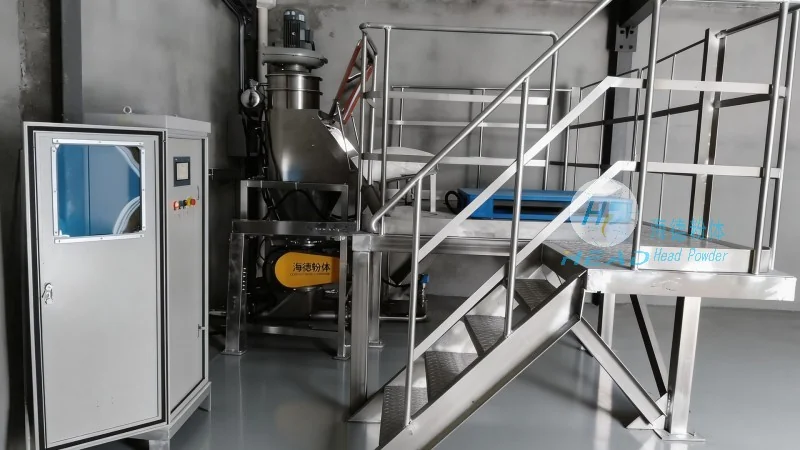
Before delving into specific methods, it's essential to understand the unique challenges associated with iron powder. Iron powder is often fine, lightweight, and prone to dust generation, which can lead to issues such as clogging, uneven distribution, and increased maintenance requirements. Additionally, the material's magnetic properties can affect how it interacts with conveyor systems, making traditional methods less effective. These challenges necessitate specialized solutions tailored to the physical and chemical characteristics of iron powder.
Method 1: Air-Flow Conveying Systems
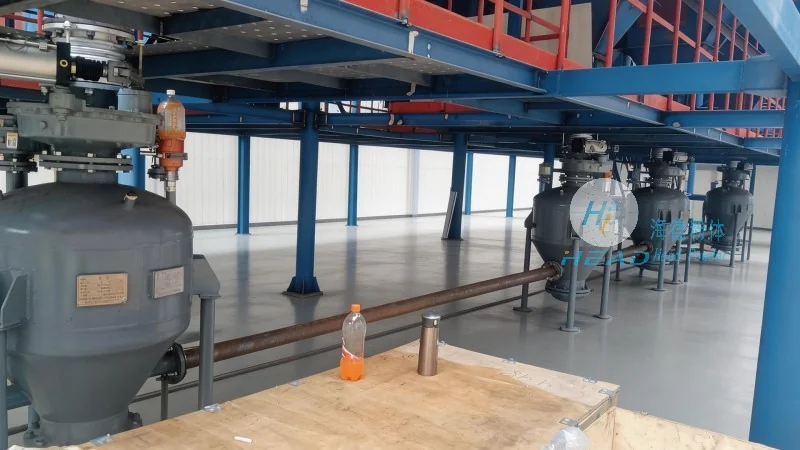
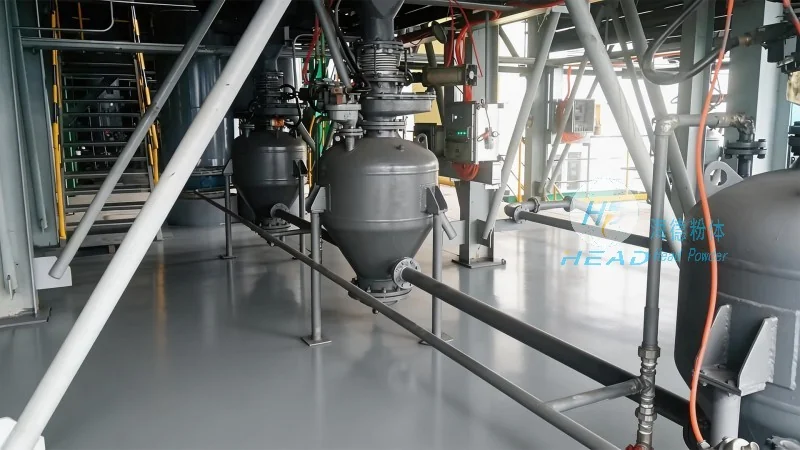
One of the most common methods for reducing iron powder conveyance is the use of air-flow or pneumatic conveying systems. These systems utilize compressed air to transport iron powder through a network of pipes, eliminating the need for mechanical components that might cause wear or contamination. The air-flow method is particularly effective for handling fine powders, as it can maintain a consistent flow rate and prevent agglomeration. Companies like Shandong HeadPowder Engineering Co., Ltd. specialize in designing and implementing such systems, ensuring that the iron powder is conveyed efficiently without compromising quality. The air-flow system also allows for easy integration with existing production lines, making it a versatile solution for various industrial applications.
Method 2: Screw Conveyors with Specialized Coatings
Another approach to reducing iron powder conveyance involves the use of screw conveyors equipped with specialized coatings or liners. Screw conveyors are widely used in material handling due to their simplicity and reliability. However, iron powder can be abrasive and may cause wear on standard conveyor components. By using materials like Teflon or other non-stick coatings, the conveyor surface can be protected, reducing friction and preventing material buildup. This method is particularly effective for horizontal or slightly inclined conveyance, as it allows for smooth movement of the iron powder without the need for excessive force. The use of specialized coatings also minimizes the risk of contamination, which is crucial in applications where the iron powder is used in sensitive processes.
Method 3: Magnetic Conveyors and Separation Techniques
Given the magnetic properties of iron powder, magnetic conveyors offer a unique solution for reducing conveyance issues. These systems use magnetic fields to attract and move the iron powder along a conveyor belt or pipe. The magnetic force can be adjusted to control the speed and direction of the material flow, ensuring that the iron powder is conveyed efficiently without the need for additional mechanical components. Magnetic conveyors are particularly useful in applications where the iron powder needs to be separated from other materials or where the material is prone to sticking to surfaces. By using magnetic separation, companies can improve the purity of the iron powder and reduce the risk of contamination. Shandong HeadPowder Engineering Co., Ltd. has expertise in designing magnetic conveyors that are tailored to the specific needs of iron powder handling, ensuring optimal performance and reliability.
Method 4: Vibratory Conveyors for Uniform Distribution
Vibratory conveyors are another effective method for reducing iron powder conveyance, especially when uniform distribution is required. These systems use vibrations to move the iron powder along a conveyor surface, ensuring that the material is spread evenly and without the risk of clogging. The vibration frequency and amplitude can be adjusted to match the specific characteristics of the iron powder, allowing for precise control over the conveyance process. Vibratory conveyors are particularly useful in applications where the iron powder needs to be fed into other processing equipment, as they can provide a consistent and controlled flow rate. This method is also effective for handling wet or sticky iron powders, as the vibrations help to break up agglomerates and prevent material buildup. Companies specializing in industrial material handling, such as HeadPowder, often recommend vibratory conveyors for their ability to maintain consistent performance and reduce maintenance costs.
Method 5: Hydraulic Conveying Systems
For larger volumes of iron powder, hydraulic conveying systems may be employed. These systems use fluid pressure to transport the iron powder through a pipeline, similar to the air-flow method but with higher pressure and capacity. Hydraulic systems are particularly effective for long-distance conveyance, as they can maintain a consistent flow rate over extended distances. The use of hydraulic conveyance also allows for the integration of control systems that can monitor and adjust the flow rate in real-time, ensuring optimal performance. However, hydraulic systems require more maintenance and are generally more expensive than other methods, making them suitable for high-volume applications where the cost is justified by the efficiency gains. Shandong HeadPowder Engineering Co., Ltd. has experience in designing and implementing hydraulic conveying systems for iron powder, ensuring that the material is transported safely and efficiently.
Choosing the Right Conveyance Method for Your Application
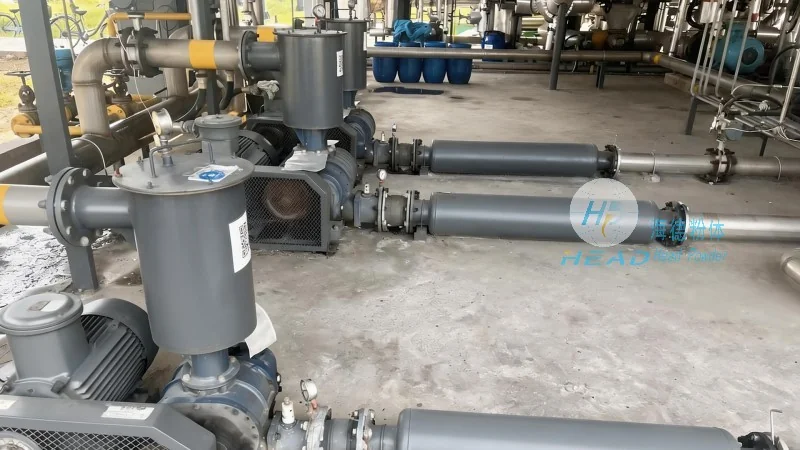
When selecting a method for reducing iron powder conveyance, it's important to consider several factors, including the volume of material, the distance to be conveyed, the required flow rate, and the specific characteristics of the iron powder. Each method has its advantages and limitations, and the best choice depends on the unique needs of the application. For example, air-flow systems are ideal for small to medium volumes and short distances, while hydraulic systems are better suited for large volumes and long distances. Magnetic conveyors are particularly effective for handling magnetic iron powders, while vibratory conveyors are useful for ensuring uniform distribution. By carefully evaluating these factors, companies can choose the most appropriate conveyance method to optimize their production processes and minimize costs.
Conclusion: Enhancing Iron Powder Conveyance with Specialized Solutions
Reducing iron powder conveyance is a critical aspect of industrial material handling, and the methods discussed above offer effective solutions to the challenges associated with this process. From air-flow and screw conveyors to magnetic and vibratory systems, each approach has its unique benefits and applications. Companies like Shandong HeadPowder Engineering Co., Ltd. play a vital role in providing specialized equipment and expertise to help industries optimize their iron powder conveyance processes. By investing in the right conveyance method, companies can improve efficiency, reduce waste, and ensure consistent performance in their production lines. The key to successful iron powder conveyance lies in understanding the material's characteristics and selecting the appropriate system to meet the specific needs of the application.

 Công ty TNHH Kỹ thuật Công trình Bột Hải Đức Sơn Đông
 156-6277-7102(Quản lý Trương)
  0531-83386006
  Quận Chương Khâu, Thành phố Tế Nam, Tỉnh Sơn Đông, Trung Quốc
Điện thoại
WeChatTư vấn
Lên đầu