Công ty Hải Đức Bột với hơn 10 năm kinh nghiệm vận chuyển khí, cung cấp hệ thống‑thiết bị‑quạt gió và nhận dự án tổng thầu bột cả nước
When it comes to transporting synthetic rubber, selecting the right conveying method is crucial for ensuring efficiency, safety, and cost-effectiveness in industrial operations. Synthetic rubber, a versatile material used in various applications from tires to adhesives, requires specialized equipment to handle its unique properties such as elasticity, flexibility, and varying densities. The choice of conveying method depends on factors like the rubber's form (powder, granules, or sheets), the required throughput, and the operational environment. This article explores the primary methods of conveying synthetic rubber, highlighting the technologies and considerations that make each approach suitable for different industrial scenarios, with a focus on the expertise of Shandong HeadPowder Engineering Co., Ltd., a leading provider of material handling solutions based in China.
1. Belt Conveyors: The Workhorse of Material Handling
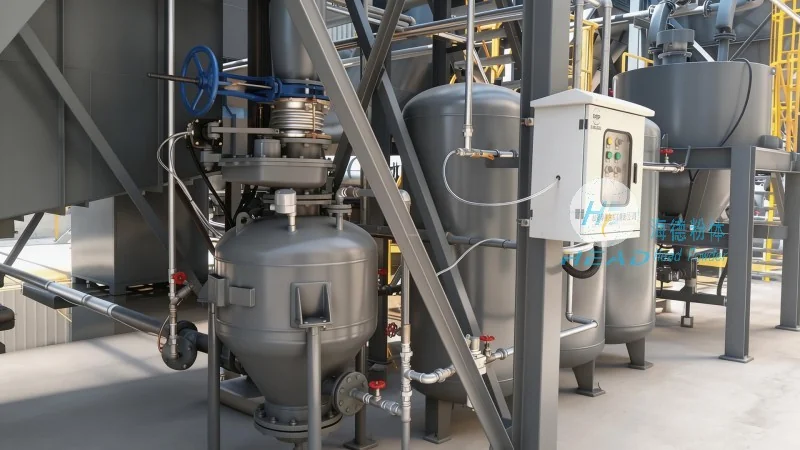
Belt conveyors are among the most common and reliable methods for transporting synthetic rubber. These systems consist of a continuous loop of a flat or troughed belt that moves over rollers or pulleys, transporting the material from one point to another. The design of the belt conveyor can be customized to handle different forms of synthetic rubber, including powders, granules, and even larger pieces. For synthetic rubber, the belt material is typically chosen for its resistance to abrasion and chemical compatibility, ensuring durability and preventing contamination. The speed and inclination of the conveyor can be adjusted to control the flow rate, making it adaptable to various production line requirements. Belt conveyors are particularly effective in continuous production processes where a steady flow of material is needed, such as in rubber processing plants or tire manufacturing facilities. They are also easy to integrate with other equipment, such as mixers or extruders, allowing for seamless material transfer. The key advantages of belt conveyors include their high capacity, low maintenance costs, and ability to operate in harsh environments, making them a preferred choice for many synthetic rubber applications.
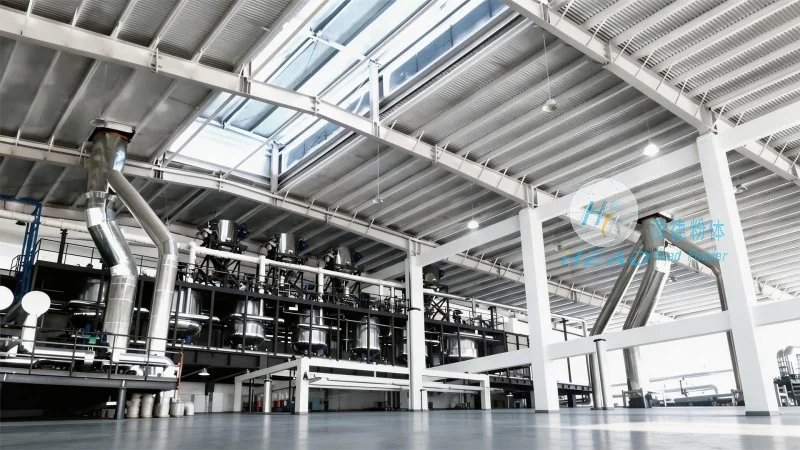
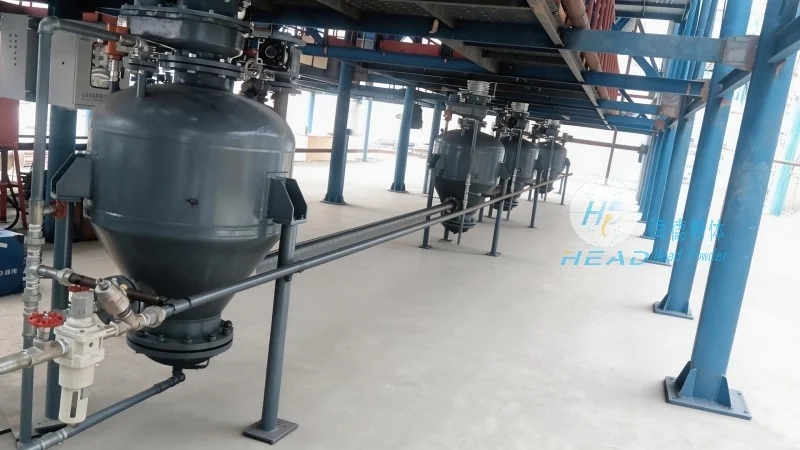
2. Screw Conveyors: Efficient for Granular and Powdered Materials
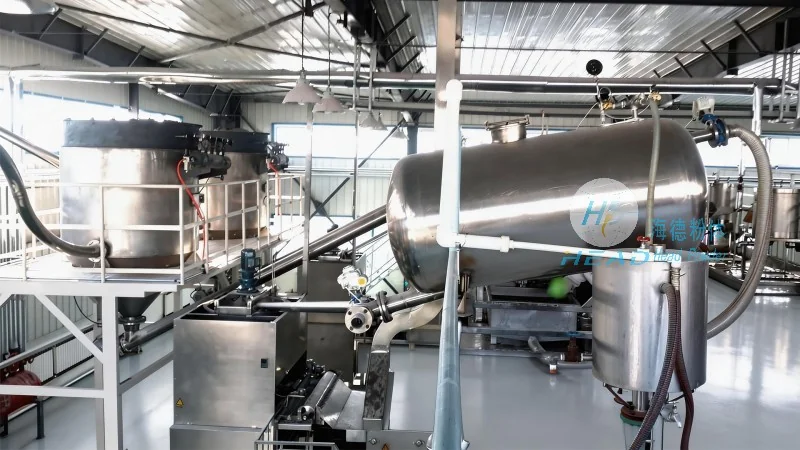
Screw conveyors, also known as auger conveyors, are another popular method for conveying synthetic rubber, especially in its granular or powdered form. These systems use a rotating screw (auger) enclosed in a tube to move material along the length of the conveyor. The screw's pitch and diameter can be adjusted to control the conveying capacity and the pressure exerted on the material. For synthetic rubber, screw conveyors are ideal for handling fine powders or small granules, as they can provide a gentle and consistent flow without causing excessive wear or degradation. The enclosed design of the screw conveyor helps to contain dust and prevent contamination, which is critical when dealing with synthetic rubber that may be used in sensitive applications like medical or food-related products. Screw conveyors are often used in vertical or inclined configurations to elevate the material, reducing the need for additional lifting equipment. They are also suitable for handling materials with varying densities, as the screw can be designed to accommodate different bulk densities. The main benefits of screw conveyors include their compact size, low power consumption, and ability to operate in a wide range of temperatures, making them a versatile option for synthetic rubber processing. However, they may not be as effective for larger pieces of rubber or for materials that are highly abrasive, as the screw and tube can experience wear over time.

 Công ty TNHH Kỹ thuật Công trình Bột Hải Đức Sơn Đông
 156-6277-7102(Quản lý Trương)
  0531-83386006
  Quận Chương Khâu, Thành phố Tế Nam, Tỉnh Sơn Đông, Trung Quốc
Điện thoại
WeChatTư vấn
Lên đầu