Công ty Hải Đức Bột với hơn 10 năm kinh nghiệm vận chuyển khí, cung cấp hệ thống‑thiết bị‑quạt gió và nhận dự án tổng thầu bột cả nước
Desulfurization and denitrification agents are critical components in modern industrial processes, particularly in power generation and chemical manufacturing. These agents are designed to reduce sulfur dioxide (SO₂) and nitrogen oxides (NOₓ) emissions, which are major contributors to air pollution and environmental degradation. The efficiency of these agents is heavily dependent on their proper delivery and distribution within the processing system. Understanding the various delivery methods is essential for optimizing operational performance and ensuring compliance with environmental regulations.
Key Considerations for Agent Delivery
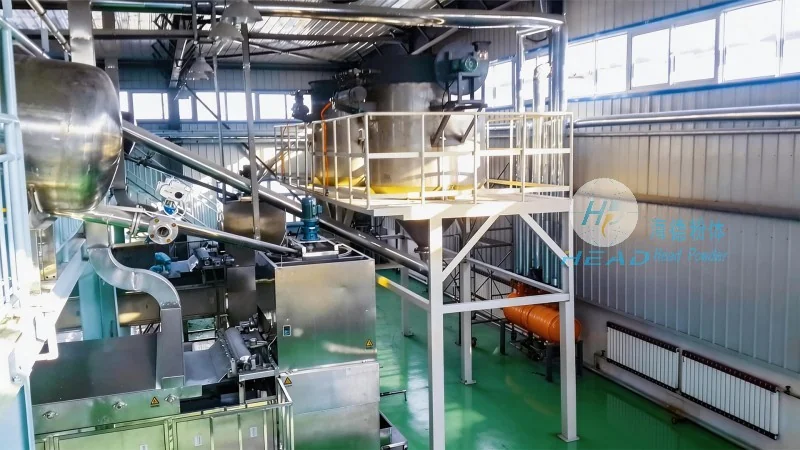
Before discussing specific delivery methods, it is important to consider the factors that influence the choice of delivery system. These factors include the physical properties of the agent (such as viscosity, density, and particle size), the scale of the application, the required flow rate, and the overall system design. Additionally, the need for precise control over the agent's concentration and distribution, as well as the potential for corrosion or clogging in the delivery lines, must be evaluated. By addressing these considerations, industrial operators can select the most suitable delivery method for their specific requirements.
Common Delivery Methods for Desulfurization and Denitrification Agents
Several delivery methods are commonly employed in industrial applications to transport desulfurization and denitrification agents. The primary methods include pneumatic conveying, hydraulic pumping, and mechanical feeding systems. Each method has its own advantages and limitations, which are discussed below.
Pneumatic Conveying Systems
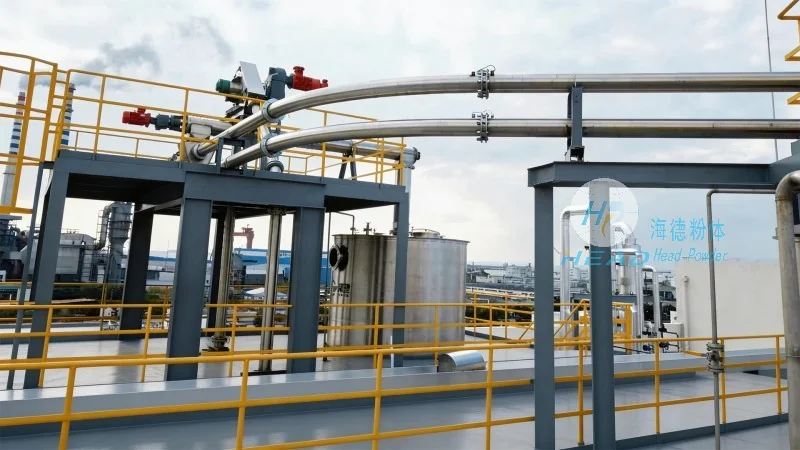
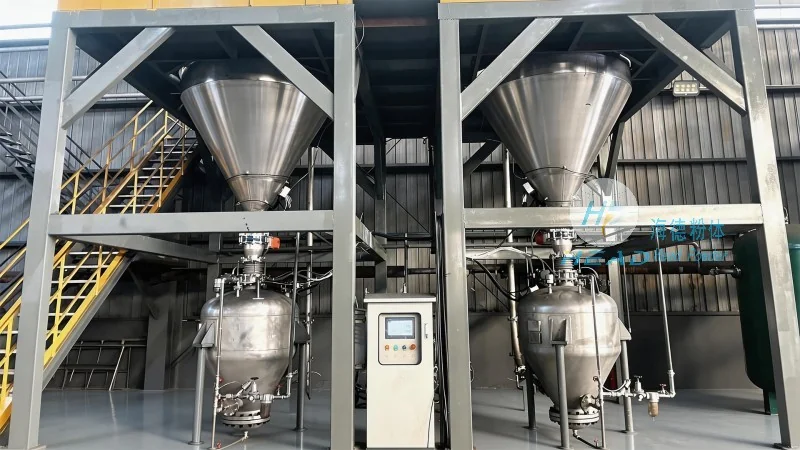
Pneumatic conveying is a widely used method for transporting dry or semi-dry desulfurization and denitrification agents. This technique involves the use of compressed air or other gases to move the agent through a pipeline. The system typically consists of a hopper, a rotary valve, a conveyor line, and a dust collector. The agent is fed into the hopper and then discharged into the conveyor line through the rotary valve. Compressed air is then introduced to create a flow that transports the agent to the desired location. Pneumatic conveying is particularly effective for low to medium flow rates and can handle a wide range of particle sizes. However, it may not be suitable for high-viscosity or highly abrasive agents, as this can lead to increased wear on the system components and reduced efficiency.
Hydraulic Pumping Systems
Hydraulic pumping is another common delivery method, especially for liquid or slurry-based desulfurization and denitrification agents. This approach uses pumps to move the agent through a pipeline under pressure. The system typically includes a storage tank, a pump, a filter, and a distribution network. The agent is stored in the tank and then pumped through the filter to remove any solid particles that could cause clogging. The pump then delivers the agent to the processing equipment at the required flow rate and pressure. Hydraulic pumping is ideal for high flow rates and can handle agents with higher viscosities compared to pneumatic systems. However, it requires more maintenance and can be more expensive to install and operate, particularly for large-scale applications.
Mechanical Feeding Systems
Mechanical feeding systems, such as screw conveyors and belt conveyors, are often used for solid desulfurization and denitrification agents. These systems rely on mechanical motion to move the agent through the delivery line. The agent is fed into the conveyor and then transported to the processing equipment by the rotating components. Screw conveyors are particularly effective for handling dry, free-flowing agents and can be used in vertical or horizontal orientations. Belt conveyors are suitable for larger particles or bulk materials and can handle higher capacities. Mechanical feeding systems are generally more reliable and less prone to clogging compared to pneumatic systems, but they may require more space and can be less efficient for fine powders.
Integration with Process Systems
The choice of delivery method is closely linked to the overall process system design. For example, in power plants, desulfurization agents are often delivered to the flue gas desulfurization (FGD) system, where they react with SO₂ to form gypsum. The delivery method must ensure that the agent is mixed with the flue gas at the correct concentration and flow rate. Similarly, in denitrification processes, the agent is delivered to the selective catalytic reduction (SCR) system, where it reacts with NOₓ to reduce emissions. The integration of the delivery system with the process equipment is critical to achieving optimal performance and minimizing downtime.
Maintenance and Operational Considerations
Regardless of the delivery method chosen, regular maintenance is essential to ensure the long-term reliability and efficiency of the system. Pneumatic systems require periodic inspection of the air compressor, filter, and conveyor line to prevent blockages and wear. Hydraulic systems need to be checked for fluid leaks, pump performance, and filter cleanliness. Mechanical systems should be inspected for wear on the conveyor components and proper alignment. Additionally, the agent itself may need to be monitored for changes in physical properties, such as increased viscosity or particle size, which could affect the delivery system's performance. By implementing a regular maintenance schedule and monitoring the agent's properties, industrial operators can minimize operational issues and extend the lifespan of their delivery systems.
Conclusion
In conclusion, the delivery methods for desulfurization and denitrification agents play a crucial role in the effectiveness of environmental control systems. The selection of the appropriate delivery method depends on several factors, including the agent's physical properties, the required flow rate, and the overall system design. Pneumatic conveying, hydraulic pumping, and mechanical feeding systems are the most common options, each with its own advantages and limitations. By carefully evaluating these factors and integrating the delivery system with the process equipment, industrial operators can ensure efficient and reliable operation, leading to reduced emissions and improved environmental performance. As environmental regulations continue to evolve, the importance of effective delivery systems will only increase, making it essential for companies to invest in reliable and efficient delivery solutions.

 Công ty TNHH Kỹ thuật Công trình Bột Hải Đức Sơn Đông
 156-6277-7102(Quản lý Trương)
  0531-83386006
  Quận Chương Khâu, Thành phố Tế Nam, Tỉnh Sơn Đông, Trung Quốc
Điện thoại
WeChatTư vấn
Lên đầu