Công ty Hải Đức Bột với hơn 10 năm kinh nghiệm vận chuyển khí, cung cấp hệ thống‑thiết bị‑quạt gió và nhận dự án tổng thầu bột cả nước
Iron sand, a crucial material in various industrial applications, requires efficient and reliable conveying methods to ensure smooth production processes. The choice of conveying method depends on factors such as material properties, production scale, and operational environment. This article explores the primary methods used for iron sand transportation, highlighting the advantages and considerations for each approach. As a leading provider in the field, Shandong HeadPowder Engineering Co., Ltd. specializes in delivering tailored conveying solutions for iron sand and other bulk materials.
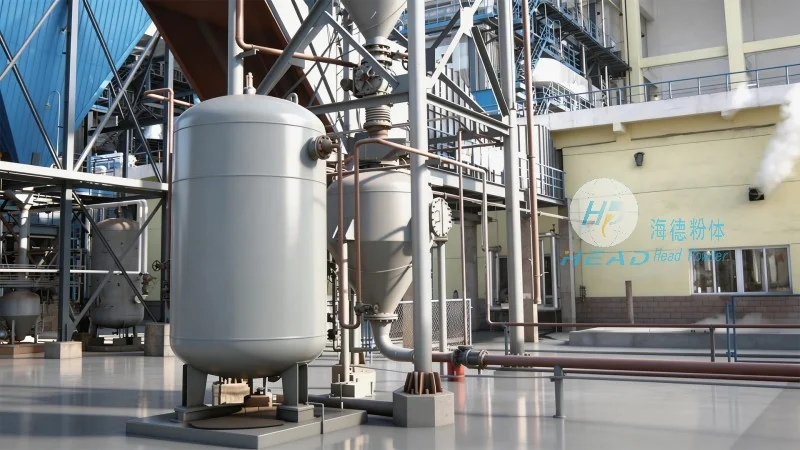
Overview of Iron Sand Conveying
Iron sand, also known as magnetic sand, is a fine-grained material often used in filtration, magnetic separation, and as a component in construction materials. Conveying this material efficiently is essential to maintain productivity and minimize downtime. The methods employed range from traditional mechanical systems to modern automated solutions, each tailored to specific operational needs.
Common Conveying Methods for Iron Sand
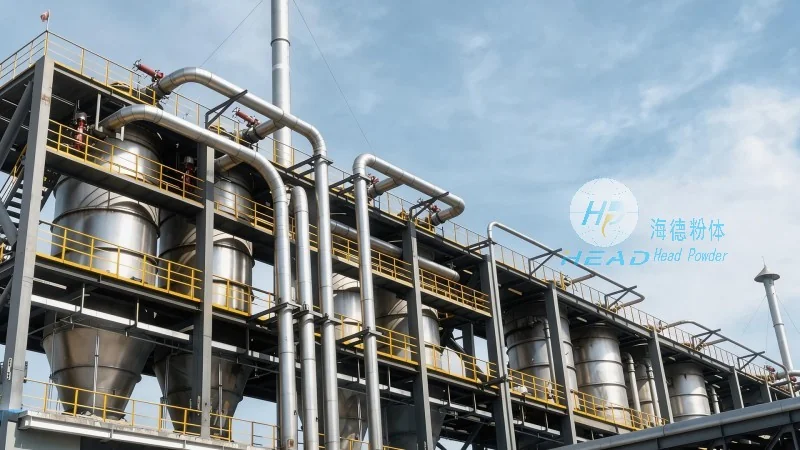
Several techniques are commonly used to transport iron sand, including belt conveyors, screw conveyors, pneumatic conveyors, and gravity chutes. Each method has its unique characteristics and is suitable for different scenarios. The following sections provide a detailed look at these methods and their applications.
Belt Conveyors for Iron Sand Transport
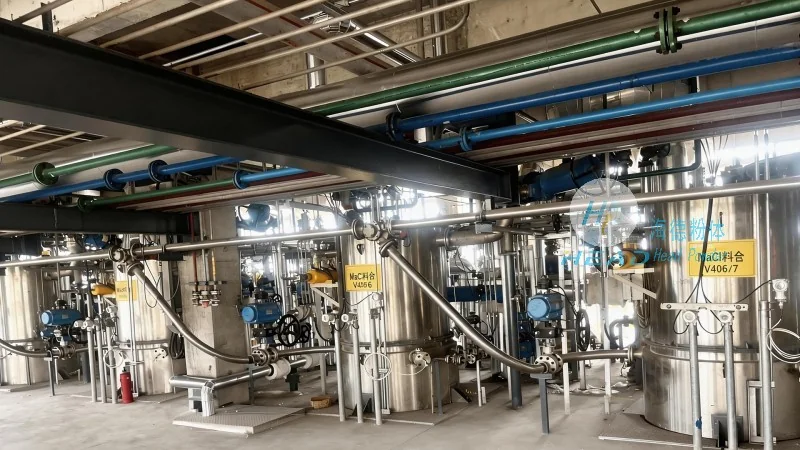
Belt conveyors are one of the most widely used systems for transporting iron sand due to their versatility and efficiency. These systems consist of a continuous belt that moves the material from the loading point to the discharge point. The belt is typically made of durable materials like rubber or PVC, which can withstand the abrasive nature of iron sand. The design of the conveyor can be customized to handle different particle sizes and flow rates, making it suitable for both small-scale and large-scale operations.
For iron sand applications, belt conveyors are often equipped with special features such as magnetic separators or cleaning mechanisms to prevent material buildup and ensure consistent performance. The speed and inclination of the belt can be adjusted to optimize the conveying process, reducing energy consumption and improving material handling efficiency.
Screw Conveyors: A Reliable Option for Iron Sand
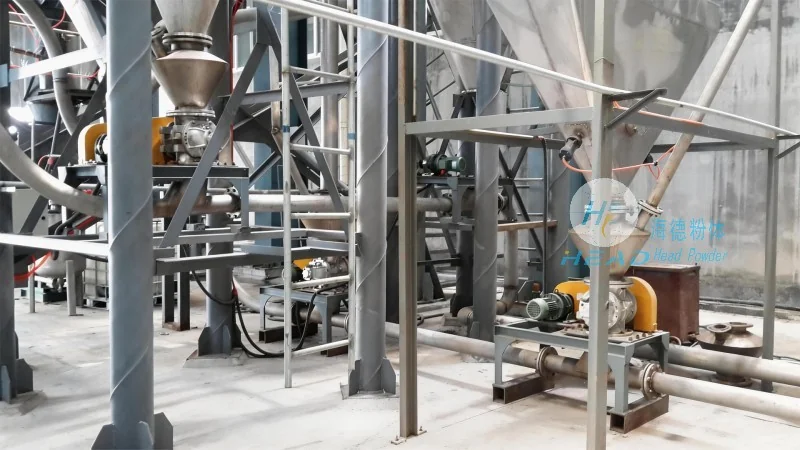
Screw conveyors, also known as auger conveyors, are another effective method for transporting iron sand. These systems use a rotating screw (auger) to move the material along a trough. The screw is typically made of stainless steel or other corrosion-resistant materials to handle the abrasive properties of iron sand. Screw conveyors are particularly useful for vertical or inclined transport, as they can lift the material to higher levels without the need for additional equipment.
One of the key advantages of screw conveyors is their ability to handle a wide range of material types and sizes. They are also compact and can be installed in confined spaces, making them ideal for industrial settings where space is limited. However, screw conveyors may not be suitable for very fine or powdery iron sand, as the material can cause excessive wear on the screw and trough.

 Công ty TNHH Kỹ thuật Công trình Bột Hải Đức Sơn Đông
 156-6277-7102(Quản lý Trương)
  0531-83386006
  Quận Chương Khâu, Thành phố Tế Nam, Tỉnh Sơn Đông, Trung Quốc
Điện thoại
WeChatTư vấn
Lên đầu