Công ty Hải Đức Bột với hơn 10 năm kinh nghiệm vận chuyển khí, cung cấp hệ thống‑thiết bị‑quạt gió và nhận dự án tổng thầu bột cả nước
Loess, a fine-grained soil composed mainly of silt particles, is widely used in construction, agriculture, and environmental restoration projects. Efficient and reliable transport of loess is crucial for project success, and various methods have been developed to meet different operational needs. This article explores the primary methods of loess transport, highlighting the technologies and considerations that make each approach suitable for specific applications.
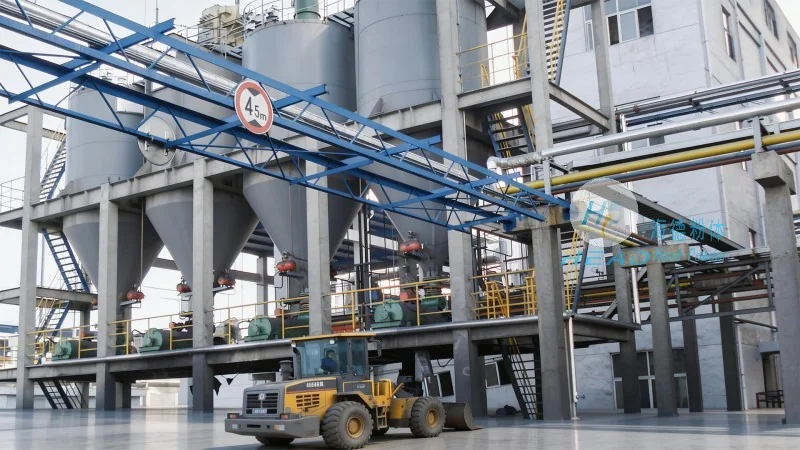
Overview of Loess Transport Technologies
Loess transport systems are designed to move large volumes of material from source to destination while minimizing environmental impact and operational costs. The choice of transport method depends on factors such as distance, material volume, terrain, and project requirements. Common techniques include bulk material handling, pneumatic conveying, and specialized machinery designed for loose soil movement.
Bulk Material Handling and Conveying Systems
Bulk material handling plays a central role in loess transport, particularly for large-scale projects. Conveying systems like belt conveyors are widely used to transport loess over short to medium distances. These systems consist of a continuous loop of belt that moves material from the source to the destination, often with multiple inclines and declines to adapt to varying terrain. Belt conveyors are efficient for handling large volumes of material at a steady rate, making them ideal for construction sites where loess is needed for backfilling or soil stabilization.
Another bulk handling method is the use of hopper trucks or dump trucks equipped with specialized loading mechanisms. These vehicles are particularly effective for transporting loess over longer distances, especially when the source and destination are separated by roads or other infrastructure. The trucks can be loaded directly from a stockpile or a conveyor system, and their capacity allows for the movement of substantial quantities of loess in a single trip.
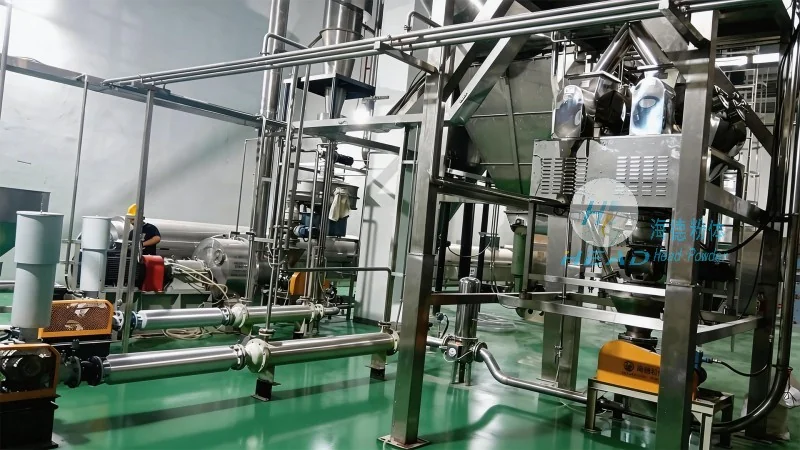
Pneumatic Conveying for Loess Transport
Pneumatic conveying systems use air pressure to transport loess as a dry powder or fine particulate material. This method is particularly advantageous for applications requiring dust control and minimal environmental disruption. The system typically consists of a blower or compressor that generates airflow through a pipeline, carrying the loess particles from the source to the destination. Pneumatic conveyors can be either positive or negative pressure systems, with positive pressure being more common for long-distance transport due to its ability to handle higher pressures and longer pipe runs.
One of the key benefits of pneumatic conveying is its ability to transport loess through vertical or horizontal pipelines, making it suitable for projects where the destination is at a different elevation or requires material to be moved through complex layouts. The technology also allows for the integration of dust collection and filtration systems, ensuring that the transport process remains clean and compliant with environmental regulations.
Specialized Machinery for Loess Handling
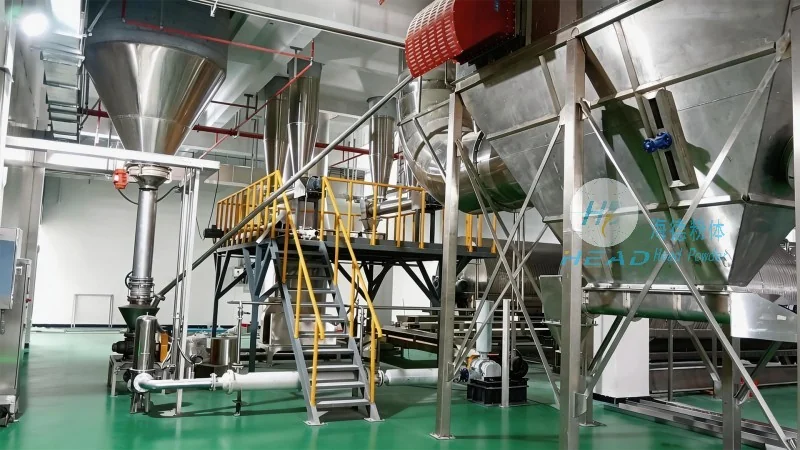
For specialized applications, such as loess mining or large-scale earthmoving projects, specialized machinery is often employed. Excavators and loaders equipped with bucket attachments are commonly used to move loess from the source area to a loading point. These machines can handle loose soil efficiently and are particularly useful when the loess is in a stockpile or requires removal from a specific location.
Self-propelled loaders and front-end loaders are also used in loess transport, especially for moving material over short distances within a construction site. These machines provide flexibility and maneuverability, allowing operators to navigate tight spaces and load trucks or conveyors directly. The use of specialized machinery ensures that the loess is handled safely and efficiently, reducing the risk of material loss or contamination.
Considerations for Effective Loess Transport
When selecting a loess transport method, several factors must be considered to ensure optimal performance and cost-effectiveness. The first consideration is the distance between the source and destination. For short distances, belt conveyors or truck transport may be sufficient, while longer distances may require pneumatic conveying or specialized bulk handling systems.
Material volume and consistency are also critical. Large volumes of loess may necessitate the use of multiple conveyors or trucks to maintain a steady flow, whereas smaller volumes might be handled by a single loader or truck. The consistency of the loess, such as its moisture content and particle size, can affect the choice of equipment. For example, wetter loess may require additional drying or conditioning before transport to prevent clogging in pneumatic systems.
Environmental and regulatory considerations play a significant role in loess transport. Dust control is a major concern, as loess is a fine particulate material that can be easily suspended in the air. Proper dust suppression measures, such as water sprays or enclosed systems, are essential to minimize environmental impact and ensure worker safety. Additionally, compliance with local environmental regulations regarding emissions and waste disposal must be addressed when planning loess transport operations.
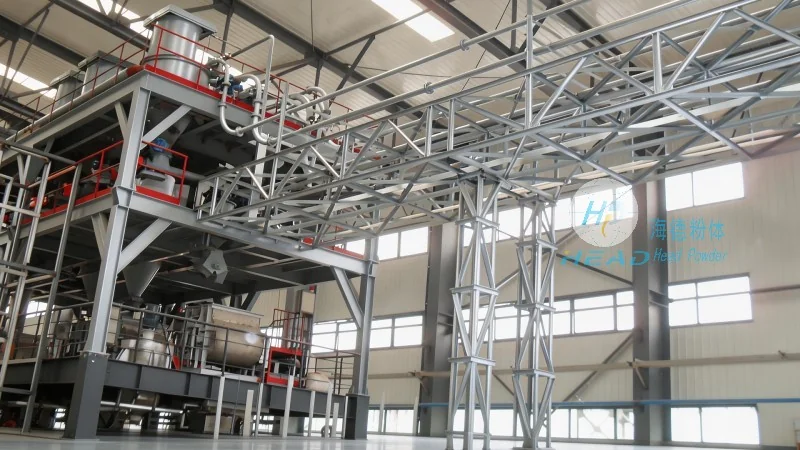
Case Study: Loess Transport for Construction Projects
Shandong HeadPowder Engineering Co., Ltd., a leading provider of loess transport solutions, has successfully implemented various transport methods for construction projects. For a recent project in China, the company used a combination of belt conveyors and pneumatic systems to transport loess from a mining site to a construction site over a distance of 5 kilometers. The belt conveyor system handled the initial loading from the mine, while the pneumatic conveyor transported the material to the construction site, where it was used for backfilling and soil stabilization.
The project required careful planning to ensure that the transport process was efficient and environmentally compliant. The company's engineers designed a system that minimized dust emissions by incorporating water sprays along the conveyor and pipeline. Additionally, the system was optimized to handle the varying moisture content of the loess, ensuring that the material remained in a transportable state throughout the process.
The successful implementation of this transport system highlights the importance of selecting the right technology for the specific project requirements. By combining bulk handling and pneumatic conveying, the company was able to move large volumes of loess efficiently while maintaining environmental standards. This case study demonstrates the effectiveness of tailored loess transport solutions in meeting the demands of modern construction projects.
Conclusion
Loess transport is a critical aspect of many projects, and the choice of transport method significantly impacts project success. From bulk handling systems to pneumatic conveyors, each technology offers unique advantages that can be leveraged based on project needs. By considering factors such as distance, material volume, and environmental regulations, project managers can select the most appropriate loess transport method. Companies like Shandong HeadPowder Engineering Co., Ltd. play a vital role in providing these solutions, ensuring that loess is transported efficiently and sustainably for various applications.

 Công ty TNHH Kỹ thuật Công trình Bột Hải Đức Sơn Đông
 156-6277-7102(Quản lý Trương)
  0531-83386006
  Quận Chương Khâu, Thành phố Tế Nam, Tỉnh Sơn Đông, Trung Quốc
Điện thoại
WeChatTư vấn
Lên đầu