Công ty Hải Đức Bột với hơn 10 năm kinh nghiệm vận chuyển khí, cung cấp hệ thống‑thiết bị‑quạt gió và nhận dự án tổng thầu bột cả nước
When it comes to the construction and mining industries, the efficient transport of aggregates—such as sand, gravel, and crushed stone—is a critical operation. Proper handling of these materials ensures smooth project workflows and cost-effective resource utilization. In this article, we explore the various methods used for aggregate transport, highlighting the key approaches employed by professionals in the field.
1. Truck Transport: The Most Common Method for On-Site and Short-Distance Moves
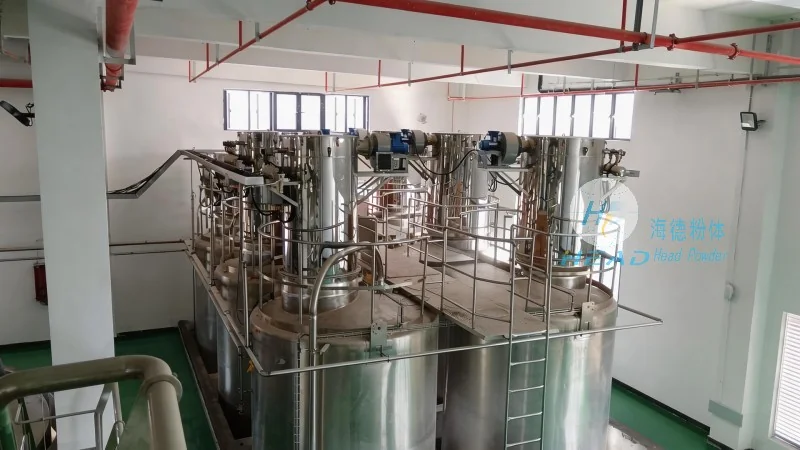
Truck transport remains the most prevalent method for moving aggregates, especially for on-site deliveries or short-distance transfers. Self-loading trucks, often equipped with hydraulic systems to lift and dump loads, are widely used in construction sites. These vehicles can carry large volumes of material and are flexible in navigating different terrains, making them ideal for projects where the destination is within a reasonable radius. The process typically involves loading the truck at a quarry or processing plant, then driving it directly to the job site. This method ensures quick turnaround times and direct material delivery, minimizing the need for intermediate storage.
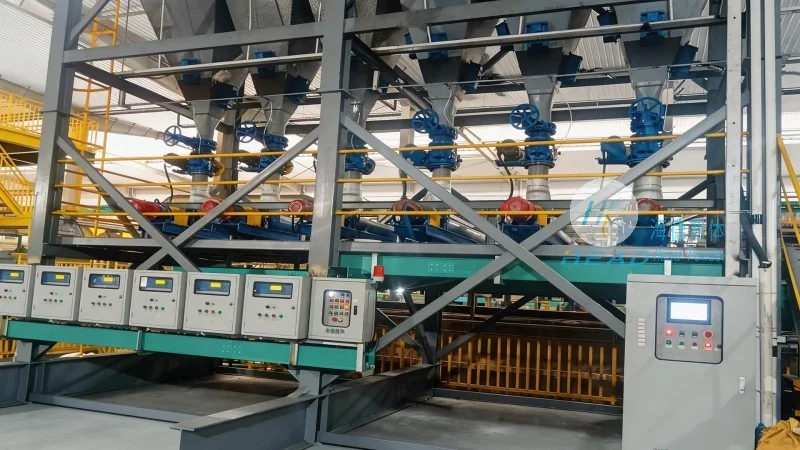
2. Belt Conveyor Systems: Efficient Long-Distance and Bulk Transport
Belt conveyor systems are a cornerstone of modern aggregate transport, particularly for long-distance and high-volume operations. These systems consist of a continuous loop of conveyor belts that move materials from one point to another, often over significant distances. They are commonly used in quarries to transport raw materials from the extraction site to processing facilities, and then to storage or loading areas. Belt conveyors offer several advantages, including high capacity, low maintenance costs, and the ability to operate continuously without the need for manual labor. They are also energy-efficient and can handle a wide range of material sizes and types, making them a reliable choice for large-scale aggregate transport.
3. Pipelining: A High-Tech Solution for Distant and Hazardous Material Transport
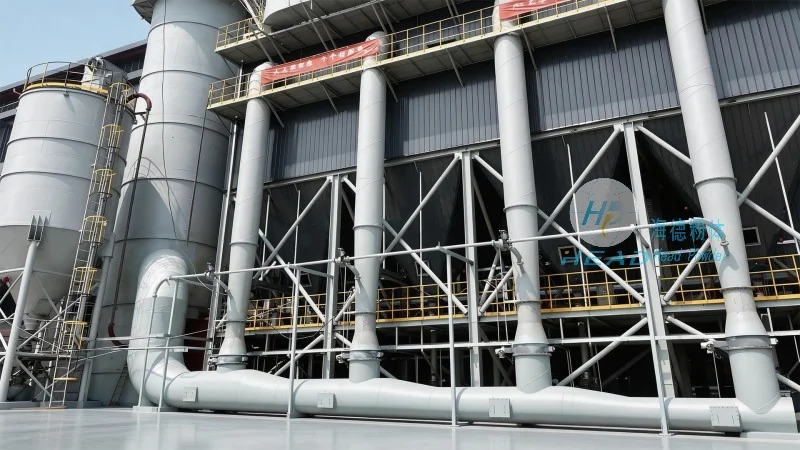
Pipelining, or pneumatic conveying, is a more advanced method used for transporting aggregates over long distances, especially in environments where traditional truck or conveyor systems are impractical. This technology involves transporting materials through a sealed pipeline using air pressure or vacuum. It is particularly useful for moving fine materials like sand or powder, as well as for applications requiring minimal dust generation. Pipelining offers advantages such as reduced labor costs, lower environmental impact, and the ability to transport materials through complex terrains or under obstacles. However, it requires specialized equipment and infrastructure, making it more suitable for large-scale industrial operations.
4. Rail Transport: Combining Capacity and Cost-Effectiveness for Large Volumes
Rail transport is another viable option for moving aggregates, especially when dealing with large volumes over long distances. Trains equipped with specialized wagons can carry substantial amounts of material, making this method economical for bulk shipments. It is commonly used to transport aggregates from remote quarries to processing plants or distribution centers. Rail transport offers benefits such as lower fuel costs compared to trucks, reduced traffic congestion, and the ability to handle heavy loads. However, it requires access to rail infrastructure and may involve longer transit times compared to truck transport. This method is particularly advantageous for projects with consistent, high-volume material needs.
5. Water Transport: Leveraging Waterways for Cost-Effective Long-Distance Moves
For certain regions with extensive waterways, water transport is a cost-effective solution for moving aggregates over long distances. Barges or ships are used to carry large quantities of material, often from coastal quarries to inland construction sites or industrial facilities. This method is particularly suitable for materials that are abundant near water bodies and can be easily loaded onto vessels. Water transport offers advantages such as low transportation costs per ton-mile and the ability to handle very large loads. However, it is dependent on weather conditions and may involve longer transit times compared to other methods. It is also limited to areas with accessible waterways and suitable port facilities.
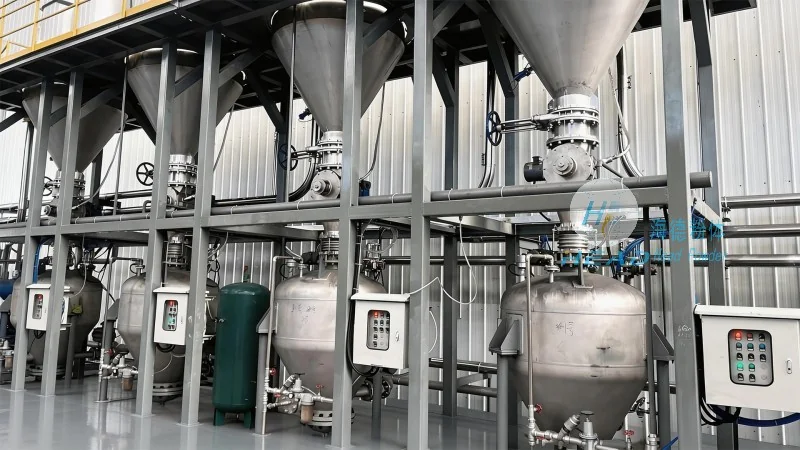
6. Specialized Equipment: Enhancing Efficiency in Specific Applications
In addition to the primary transport methods, specialized equipment plays a crucial role in optimizing aggregate transport for specific scenarios. For example, bucket-wheel excavators and front-end loaders are used in quarries to move materials from the ground to conveyor systems. Cranes and hoists are employed for lifting and transferring materials between different levels or locations. These specialized tools help improve efficiency, reduce manual labor, and enhance safety in the transport process. The choice of equipment depends on factors such as material type, site conditions, and project requirements, ensuring that the most appropriate method is used for each situation.
Shandong HeadPowder Engineering Co., Ltd., a leading provider in the aggregate transport sector, specializes in offering tailored solutions for various transport needs. With a strong presence in China, the company leverages advanced technologies and experienced professionals to ensure efficient and reliable aggregate movement. Whether through truck transport, conveyor systems, or other methods, HeadPowder Engineering is committed to supporting construction and mining projects with high-quality transport services. Located in Shandong, China, the company serves clients across the region, providing essential support for their material handling requirements.

 Công ty TNHH Kỹ thuật Công trình Bột Hải Đức Sơn Đông
 156-6277-7102(Quản lý Trương)
  0531-83386006
  Quận Chương Khâu, Thành phố Tế Nam, Tỉnh Sơn Đông, Trung Quốc
Điện thoại
WeChatTư vấn
Lên đầu