Công ty Hải Đức Bột với hơn 10 năm kinh nghiệm vận chuyển khí, cung cấp hệ thống‑thiết bị‑quạt gió và nhận dự án tổng thầu bột cả nước
Gravity dust removal and ash transport are critical processes in industrial operations, particularly in power plants and other facilities that generate large volumes of particulate matter. The efficient management of dust and ash is essential for maintaining environmental compliance, ensuring operational safety, and optimizing overall plant performance. Shandong HeadPowder Engineering Co., Ltd., a leading provider of industrial dust removal and ash transport solutions, specializes in designing and manufacturing systems that meet the diverse needs of power plants and other industrial facilities. This article explores the various methods employed for gravity dust removal and ash transport, highlighting the key technologies and considerations involved in these processes.
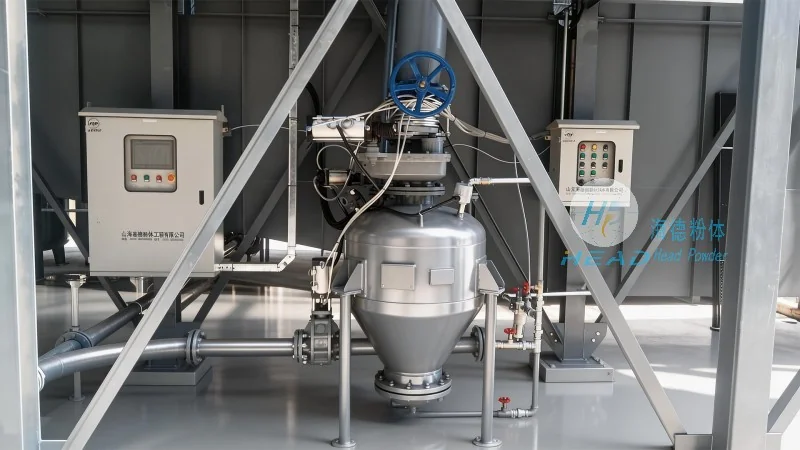
Understanding Gravity Dust Removal Systems
Gravity dust removal systems rely on the principle of gravity to separate particulate matter from gas streams. These systems are commonly used in applications where the dust particles are relatively large and have sufficient settling velocity. The primary components of a gravity dust removal system typically include a dust hopper, a dust collection chamber, and a discharge mechanism. The gas stream carrying the dust enters the collection chamber, where the heavier particles settle due to gravity and accumulate in the hopper. The cleaned gas then exits the system, while the collected dust is periodically removed from the hopper for disposal or further processing.
Common Methods for Ash Transport
Once the dust has been removed, the next step is to transport the collected ash to a storage or disposal location. Several methods are commonly used for ash transport, each with its own advantages and applications. The choice of transport method depends on factors such as the ash characteristics, distance to be transported, and the required handling capacity.
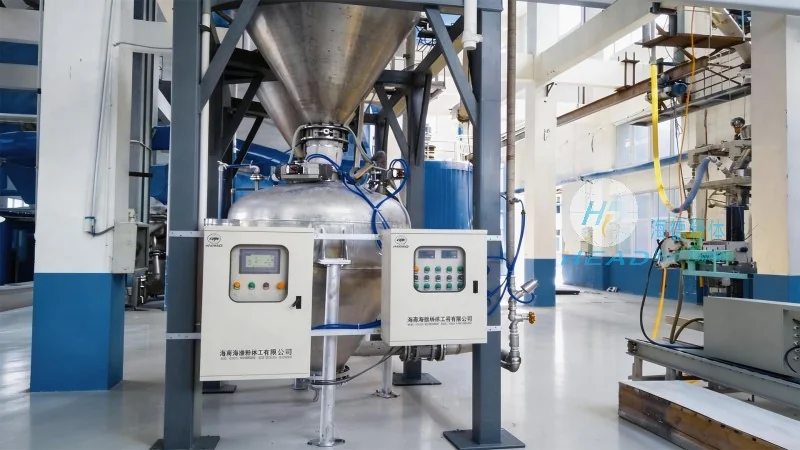
1. Gravity Ash Conveying Systems
Gravity ash conveying systems utilize the natural force of gravity to move ash from the collection point to a storage silo or disposal site. These systems typically consist of a series of inclined chutes or troughs that allow the ash to slide down due to gravity. The design of the chutes is critical to ensure smooth flow and prevent blockages. The material of the chutes is often selected for its durability and resistance to abrasion from the ash particles. In some cases, the chutes may be lined with wear-resistant materials to extend their service life. Gravity ash conveying is particularly effective for short to medium distances and for handling ash with relatively low moisture content.
2. Screw Conveyors for Ash Transport
Screw conveyors are another common method for transporting ash, especially in applications where the distance is longer or the ash needs to be moved vertically. Screw conveyors consist of a rotating screw (or auger) enclosed in a trough, which pushes the ash forward as the screw rotates. The screw design can vary, with some models featuring a solid screw and others using a ribbon or flighted design. The speed of the screw and the pitch of the flights are adjusted based on the ash characteristics to ensure efficient transport without excessive wear. Screw conveyors are versatile and can handle a wide range of ash types, including those with high moisture content or abrasive properties. They are also relatively low maintenance compared to other transport systems.
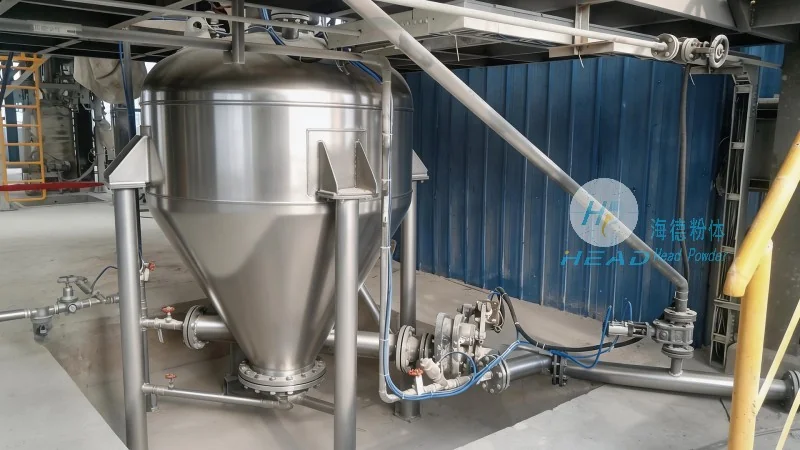
3. Pneumatic Ash Conveying Systems
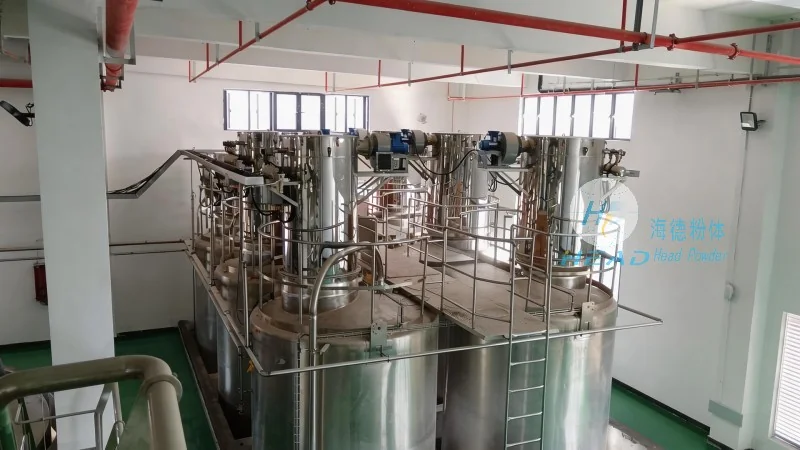
Pneumatic ash conveying systems use air pressure to transport ash particles through a pipeline. This method is particularly suitable for long-distance transport or when the ash needs to be moved through vertical or horizontal sections. The system typically includes a blower or compressor to generate the necessary air pressure, a hopper to feed the ash into the pipeline, and a receiver to collect the ash at the destination. The ash is mixed with air and carried through the pipeline by the airflow. The design of the system must consider the ash's density, moisture content, and particle size to ensure efficient transport and prevent blockages. Pneumatic conveying can be either positive or negative pressure, depending on the application. Positive pressure systems blow air into the pipeline, while negative pressure systems create a vacuum to draw the ash into the system.
4. Hydraulic Ash Transport
Hydraulic ash transport systems use water to transport ash particles through a pipeline. This method is often used in applications where the ash has high moisture content or where the distance to be transported is very long. The ash is mixed with water to form a slurry, which is then pumped through the pipeline to the disposal site. The slurry is typically stored in a holding tank before being pumped out. Hydraulic transport is effective for handling large volumes of ash but requires careful management of the water usage and disposal of the slurry. The system must be designed to prevent clogging and ensure that the ash particles are well-dispersed in the water to maintain flow.
Key Considerations for Gravity Dust Removal and Ash Transport
When implementing gravity dust removal and ash transport systems, several factors must be considered to ensure optimal performance and longevity. The first consideration is the ash characteristics, including particle size, density, moisture content, and abrasiveness. These factors influence the choice of transport method and the design of the equipment. For example, abrasive ash may require wear-resistant materials in the chutes or screw conveyors to prevent excessive wear and tear. The second consideration is the distance and layout of the transport system. The system must be designed to minimize the number of bends and changes in direction to maintain efficient flow and prevent blockages. The third consideration is the environmental regulations and disposal requirements. The ash must be handled in compliance with local and national regulations, and the transport system must be designed to prevent dust emissions and ensure safe disposal.

 Công ty TNHH Kỹ thuật Công trình Bột Hải Đức Sơn Đông
 156-6277-7102(Quản lý Trương)
  0531-83386006
  Quận Chương Khâu, Thành phố Tế Nam, Tỉnh Sơn Đông, Trung Quốc
Điện thoại
WeChatTư vấn
Lên đầu