Công ty Hải Đức Bột với hơn 10 năm kinh nghiệm vận chuyển khí, cung cấp hệ thống‑thiết bị‑quạt gió và nhận dự án tổng thầu bột cả nước
PP, or polypropylene, is a widely used thermoplastic polymer in various industries, including manufacturing, packaging, and construction. The efficient transportation of PP materials from one processing stage to another is crucial for maintaining production efficiency and product quality. Choosing the right conveying method depends on factors such as material properties, production scale, and operational environment. This article explores the common methods used for PP conveying, highlighting the key considerations and applications.
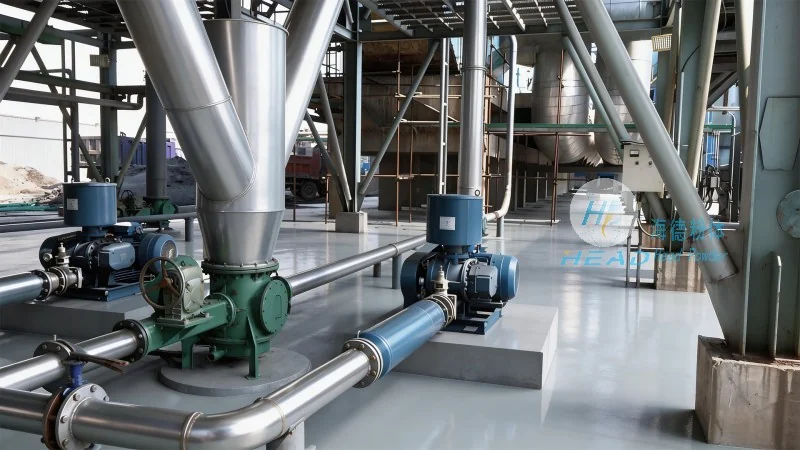
Key Factors Influencing PP Conveying Method Selection
Before delving into specific conveying methods, it is essential to understand the factors that influence the choice of system. These include the physical properties of PP, such as its density, flowability, and abrasiveness, as well as the volume and consistency of the material being handled. Additionally, the distance between the source and destination, the need for enclosed or open systems, and the required speed of transfer all play a role in determining the most suitable conveying solution. Shandong HeadPowder Engineering Co., Ltd., a leading provider of industrial conveying solutions, emphasizes that a thorough analysis of these factors ensures optimal performance and longevity of the conveying system.
1. Screw Conveyors for PP Material Handling
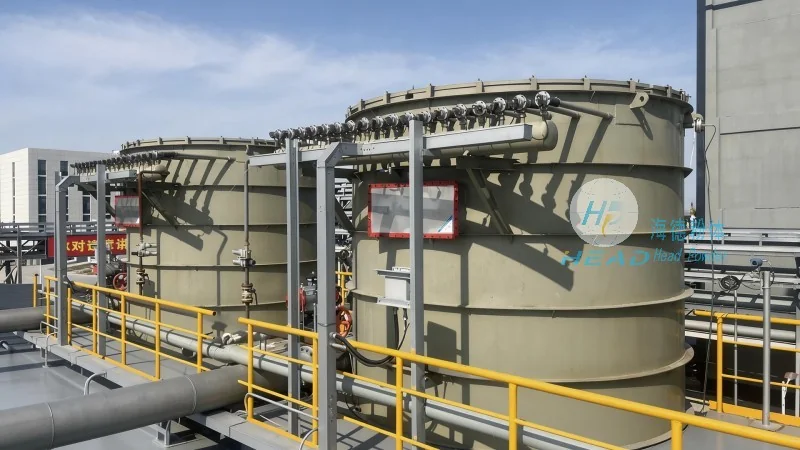
Screw conveyors, also known as auger conveyors, are among the most common and versatile methods for conveying PP materials. These systems consist of a rotating helical screw blade inside a trough or tube, which moves the material forward through the conveyor. Screw conveyors are particularly effective for handling free-flowing or semi-free-flowing PP powders and granules. They are suitable for both horizontal and inclined applications, making them adaptable to various production layouts. The design of screw conveyors allows for enclosed operation, which helps contain dust and prevent material contamination. HeadPowder, with its expertise in customizing conveying equipment, offers screw conveyors tailored to specific PP material characteristics, ensuring efficient and reliable material transport. The company’s screw conveyors are built with durable materials, such as stainless steel or corrosion-resistant alloys, to withstand the abrasive nature of PP and extend service life.
2. Belt Conveyors for Bulk PP Transport
Belt conveyors are another widely used method for transporting larger volumes of PP materials, such as pellets or flakes. These systems utilize a continuous belt, typically made of rubber or synthetic materials, that moves over rollers or pulleys. The belt is loaded with PP material at one end and discharged at the other, making it ideal for long-distance and high-volume transport. Belt conveyors are particularly effective for horizontal or slightly inclined applications and can handle a wide range of PP products, from fine powders to large pellets. The enclosed design of belt conveyors helps maintain material integrity and prevents dust dispersion, which is crucial in industrial settings. Shandong HeadPowder Engineering Co., Ltd. specializes in designing and manufacturing belt conveyors that meet the specific requirements of PP handling, ensuring smooth and consistent material movement. The company’s belt conveyors are equipped with adjustable speed controls and safety features, enhancing operational flexibility and safety.
3. Pneumatic Conveying Systems for PP Powder Transfer
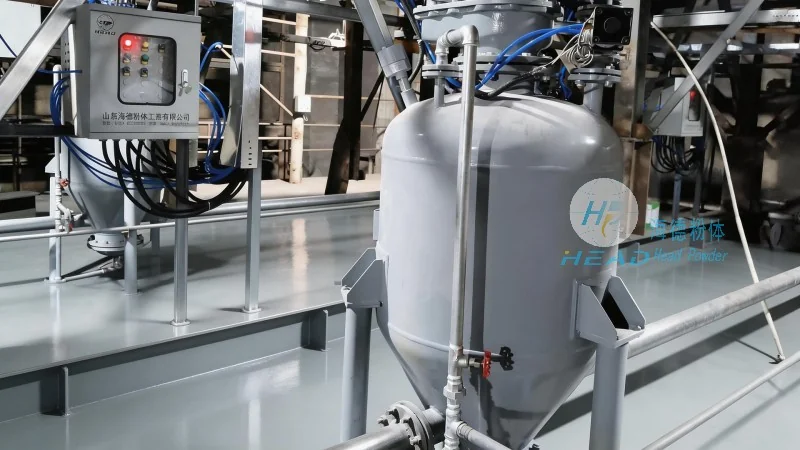
Pneumatic conveying systems use air or other gases to transport PP powders or fine granules through a pipeline. These systems are ideal for applications where dust containment and material cleanliness are critical. There are two main types of pneumatic conveying: pressure and vacuum systems. Pressure systems force air and material through the pipeline, while vacuum systems draw material into the system. Pneumatic conveying is particularly effective for handling fine PP powders that are difficult to move with mechanical systems. The design of pneumatic systems allows for enclosed, dust-free operation, which is essential in industries where material purity is paramount. HeadPowder Engineering Co., Ltd. provides advanced pneumatic conveying solutions for PP, incorporating features like pulse-jet cleaning to maintain system efficiency and prevent clogging. The company’s pneumatic systems are engineered to handle the specific flow characteristics of PP powders, ensuring reliable and consistent material transfer.
4. Bucket Elevators for Vertical PP Conveying
For vertical or inclined transport of PP materials, bucket elevators are a common choice. These systems consist of a vertical or inclined conveyor with buckets attached to a rotating chain or belt. The buckets scoop up the PP material at the bottom and release it at the top, allowing for efficient vertical movement. Bucket elevators are particularly effective for handling bulk PP materials, such as pellets or granules, and are commonly used in applications where vertical space is limited. They are also suitable for transporting materials over long vertical distances with minimal maintenance. Shandong HeadPowder Engineering Co., Ltd. designs and manufactures bucket elevators tailored to the needs of PP handling, ensuring smooth and reliable vertical transport. The company’s bucket elevators are built with durable components, such as high-strength steel buckets and corrosion-resistant chains, to withstand the demands of PP material handling and provide long-term performance.
5. Vibrating Conveyors for PP Material Transfer
Vibrating conveyors use vibration to move PP materials along a trough or conveyor bed. These systems are particularly effective for handling materials with poor flowability or that tend to cling to surfaces. The vibration helps break up agglomerates and ensures consistent material movement. Vibrating conveyors are suitable for both horizontal and inclined applications and can handle a wide range of PP products, from powders to pellets. They are also ideal for applications where gentle material handling is required, such as in food or pharmaceutical industries. HeadPowder Engineering Co., Ltd. offers vibrating conveyors designed specifically for PP, incorporating features like adjustable vibration frequency and amplitude to optimize material flow. The company’s vibrating conveyors are built with low-maintenance components and are easy to clean, making them suitable for hygienic applications. The enclosed design of these systems helps contain dust and maintain material purity, which is essential in industries where contamination is a concern.

 Công ty TNHH Kỹ thuật Công trình Bột Hải Đức Sơn Đông
 156-6277-7102(Quản lý Trương)
  0531-83386006
  Quận Chương Khâu, Thành phố Tế Nam, Tỉnh Sơn Đông, Trung Quốc
Điện thoại
WeChatTư vấn
Lên đầu