Công ty Hải Đức Bột với hơn 10 năm kinh nghiệm vận chuyển khí, cung cấp hệ thống‑thiết bị‑quạt gió và nhận dự án tổng thầu bột cả nước
When it comes to the efficient handling and transportation of bamboo powder, selecting the right conveying method is crucial for optimizing production processes and ensuring product quality. As a leading provider in the industry, Shandong HeadPowder Engineering Co., Ltd. specializes in delivering tailored solutions for bamboo powder conveying, offering a range of proven methods that cater to different operational needs and environments.
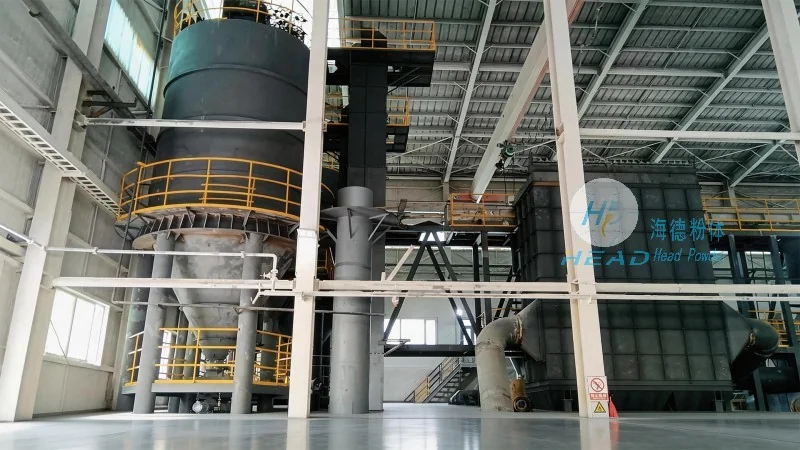
Understanding Bamboo Powder Properties for Conveying
Before delving into specific conveying methods, it's essential to understand the characteristics of bamboo powder that influence the choice of equipment. Bamboo powder typically has a fine particle size, which can lead to issues like dust generation, caking, and abrasive wear on machinery. Its lightweight nature and potential for static electricity also require specialized handling techniques to prevent material loss and equipment damage. At HeadPowder, our experts consider these factors when recommending the most suitable conveying solutions for our clients.
Common Mechanical Conveying Methods
For applications where bulk bamboo powder needs to be moved over short to medium distances, mechanical conveying systems are often the preferred choice. These methods rely on mechanical components such as belts, screws, and buckets to transport material. One common option is the belt conveyor, which uses a continuous belt to carry bamboo powder from one point to another. This system is ideal for horizontal or slight incline applications and can handle large volumes of material with minimal maintenance. Another mechanical method is the screw conveyor, which uses a rotating screw to push material forward. Screw conveyors are particularly effective for vertical lifting and can be designed with different screw configurations to handle varying particle sizes and flow rates. Both belt and screw conveyors are robust and reliable, making them suitable for continuous production lines in bamboo powder processing facilities.
Advantages of Mechanical Conveying
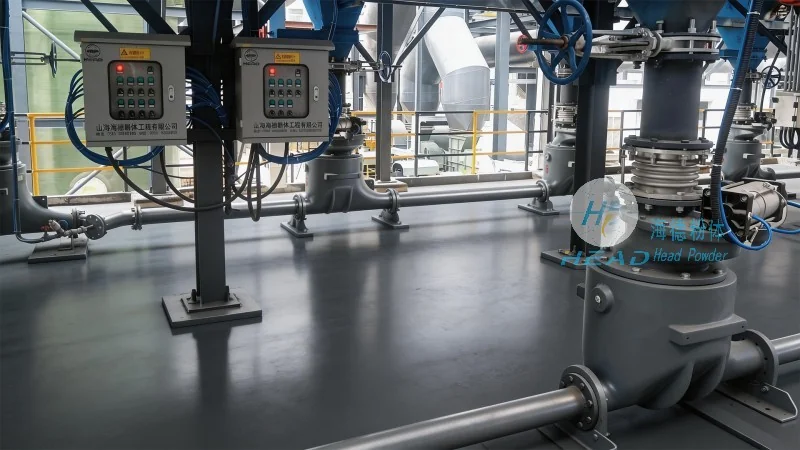
Mechanical conveying systems offer several advantages for bamboo powder handling. They provide a closed environment that helps contain dust and prevent contamination, which is critical for maintaining product purity. Additionally, these systems are generally low-cost to install and operate, with minimal energy consumption compared to some other methods. The mechanical components are also relatively easy to maintain, reducing downtime and increasing overall productivity. However, mechanical conveyors may have limitations in terms of distance and height, as well as potential for material degradation due to friction and abrasion.
Common Pneumatic Conveying Methods
For applications requiring long-distance or high-velocity transport of bamboo powder, pneumatic conveying systems are often the optimal solution. These systems use air or other gases to move material through a pipeline. There are two main types of pneumatic conveying: dilute phase and dense phase. Dilute phase systems use low-pressure air to transport material in a suspended state, making them suitable for short to medium distances and low to medium material loads. Dense phase systems, on the other hand, use higher pressure and air to create a slurry-like mixture, which allows for longer distances and higher material throughput. Pneumatic conveying offers advantages such as flexibility in layout, as pipelines can be installed in various configurations to follow production flow. It also provides a dust-free environment and can handle abrasive materials without causing significant wear on equipment. However, pneumatic systems require more energy compared to mechanical methods and may need additional equipment like air compressors and filters.
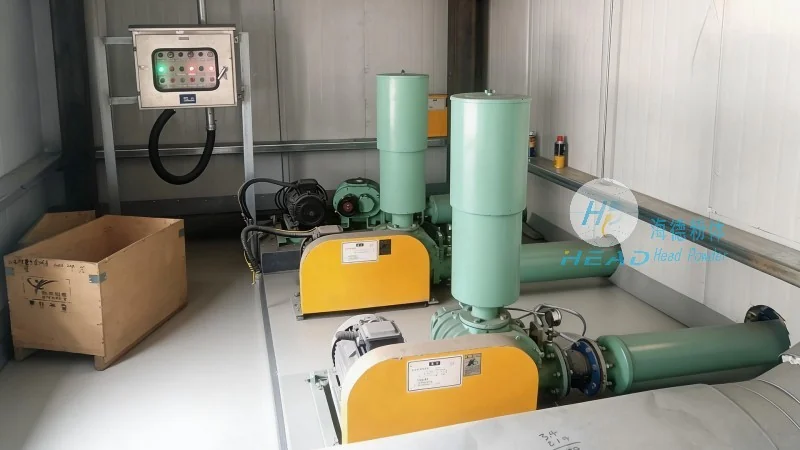
Advantages of Pneumatic Conveying
Pneumatic conveying systems excel in scenarios where mechanical methods are not feasible due to distance or layout constraints. They can transport bamboo powder over long distances with minimal material degradation and can be integrated into existing production lines without major structural changes. The closed pipeline system also ensures that the material remains contained and does not affect the surrounding environment. Furthermore, pneumatic systems can handle varying material conditions, including wet or sticky bamboo powder, by adjusting the air pressure and flow rate. However, the initial investment for pneumatic equipment is higher, and maintenance costs may be higher due to the need for air compressors and filtration systems.
Combining Mechanical and Pneumatic Systems
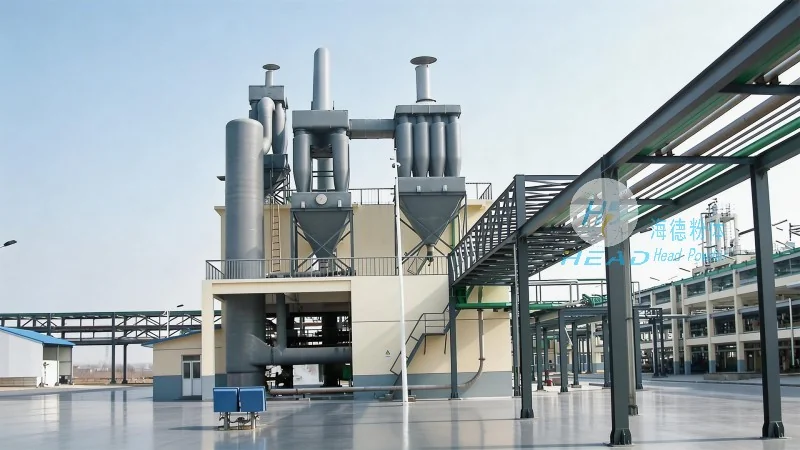
In many bamboo powder processing facilities, a combination of mechanical and pneumatic conveying systems is used to achieve optimal efficiency. For example, a screw conveyor might be used to move bamboo powder from a storage silo to a pneumatic conveying line, which then transports the material to a processing unit. This hybrid approach leverages the strengths of both methods: mechanical conveyors for short-distance handling and pneumatic systems for long-distance transport. By integrating these systems, companies can streamline their operations, reduce material handling time, and improve overall productivity. Shandong HeadPowder Engineering Co., Ltd. specializes in designing and implementing such integrated solutions, ensuring that each component works in harmony to meet the specific needs of the client.
Factors to Consider When Choosing a Conveying Method
When selecting a bamboo powder conveying method, several factors must be considered to ensure the best fit for the application. First, the distance and layout of the production facility play a significant role. Short distances may favor mechanical conveyors, while long distances or complex layouts may require pneumatic systems. Second, the volume and flow rate of the bamboo powder need to be evaluated. High-volume applications may need larger conveying systems, such as multiple belt conveyors or high-capacity pneumatic lines. Third, the physical properties of the bamboo powder, including particle size, moisture content, and abrasiveness, must be taken into account. Fine particles or abrasive materials may require specialized equipment to prevent wear and maintain efficiency. Fourth, the budget and maintenance requirements are important considerations. Mechanical systems are generally more cost-effective to install and maintain, while pneumatic systems offer greater flexibility and can handle more challenging conditions. By carefully evaluating these factors, businesses can choose the most suitable conveying method that maximizes efficiency and minimizes operational costs.

 Công ty TNHH Kỹ thuật Công trình Bột Hải Đức Sơn Đông
 156-6277-7102(Quản lý Trương)
  0531-83386006
  Quận Chương Khâu, Thành phố Tế Nam, Tỉnh Sơn Đông, Trung Quốc
Điện thoại
WeChatTư vấn
Lên đầu