Công ty Hải Đức Bột với hơn 10 năm kinh nghiệm vận chuyển khí, cung cấp hệ thống‑thiết bị‑quạt gió và nhận dự án tổng thầu bột cả nước
Resin is a fundamental material in various industrial applications, and efficient conveyance is crucial for maintaining production efficiency and product quality. The choice of resin conveyance method depends on factors such as resin type, processing environment, and production scale. This article explores several common methods used in resin handling and transportation, providing insights into their applications and advantages.
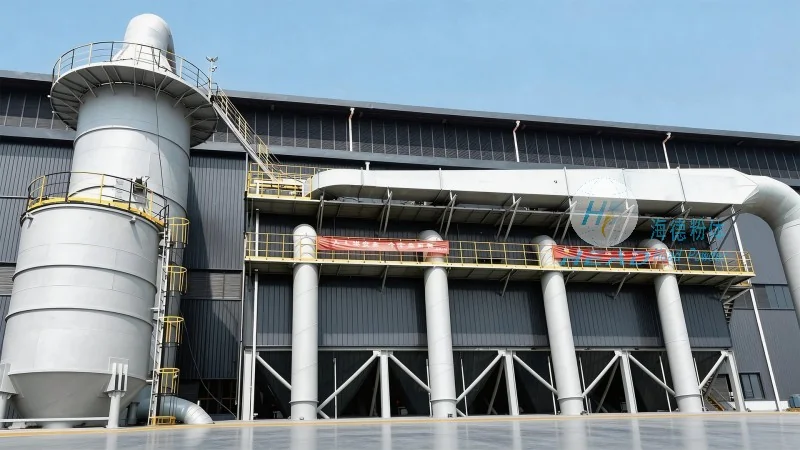
Gravity Conveyance
Gravity conveyance is a simple and cost-effective method for transporting resin over short distances, especially when the resin is in a fluid or semi-fluid state. This method relies on the natural force of gravity to move the resin from a higher elevation to a lower one. It is commonly used in processes where the resin is already in a liquid form, such as in the transportation of liquid resins from storage tanks to processing equipment. The system typically consists of inclined chutes or troughs that allow the resin to flow smoothly without the need for external power. This approach minimizes energy consumption and reduces equipment maintenance, making it an attractive option for low-volume or low-speed applications.
Mechanical Conveyance
Mechanical conveyance employs mechanical devices to move resin, offering greater control and flexibility compared to gravity systems. This category includes various equipment such as pumps, screw conveyors, and belt conveyors. Centrifugal pumps are commonly used for liquid resins, providing consistent flow rates and pressure control by converting rotational energy into hydraulic energy. Positive displacement pumps, including gear pumps and piston pumps, are ideal for high-viscosity resins, as they maintain a steady flow regardless of pressure changes. Screw conveyors, composed of a rotating screw within a trough, are effective for semi-solid or granular resins, as they can handle a wide range of materials and maintain a stable flow. The speed of the screw can be adjusted to control the resin flow rate, making it suitable for both low and high-volume applications. Belt conveyors, on the other hand, are designed for bulk material transport, featuring a continuous belt that moves resin over long distances. They are particularly effective in continuous production lines, where reliability and efficiency are critical. These mechanical systems allow for precise control over the speed and direction of resin movement, ensuring that the material reaches the desired destination without spillage or degradation. They are particularly effective in high-volume or high-speed production environments where reliability and efficiency are paramount.
Air Conveyance (Pneumatic Conveying)
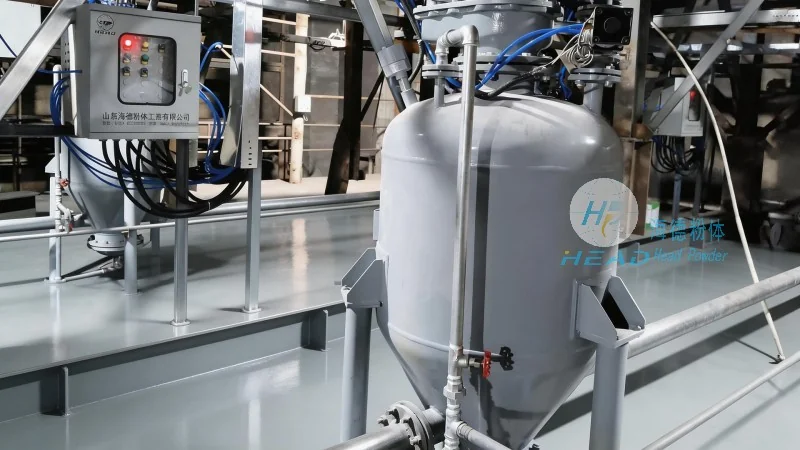
Air conveyance, or pneumatic conveying, uses air or other gases to transport resin particles or powders through a pipeline. This method is highly versatile and can handle a wide variety of resin types, including fine powders and granules. There are two main types of pneumatic conveying systems: pressure and vacuum. Pressure systems use compressed air to push the resin through the pipeline, while vacuum systems use suction to draw the resin into the line. Air conveyance offers several advantages, including the ability to transport resin over long distances, handle materials with high moisture content, and integrate with existing production lines. However, it requires careful design to ensure efficient air flow and prevent material degradation due to friction or pressure changes. This method is commonly used in industries such as pharmaceuticals, food processing, and chemical manufacturing where dust control and hygiene are critical.
Hybrid Conveyance Systems
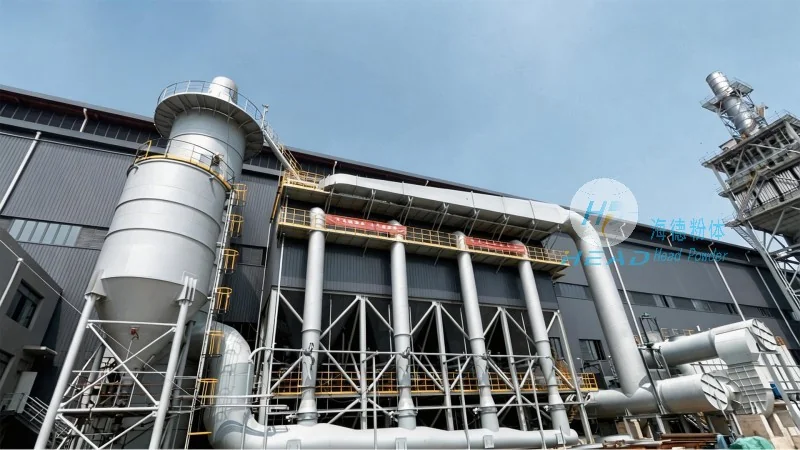
Hybrid conveyance systems combine multiple methods to address specific challenges in resin transportation. For example, a system might use gravity for initial transport and then employ a mechanical pump for final delivery to the processing unit. Another hybrid approach could involve pneumatic conveying for fine powders followed by a screw conveyor for bulk handling. These systems are designed to optimize performance, reduce energy consumption, and enhance overall efficiency. By integrating different technologies, manufacturers can tailor the conveyance process to their unique production requirements, ensuring that resin is handled safely and effectively throughout the entire workflow.
Choosing the Right Resin Conveyance Method
The selection of an appropriate resin conveyance method depends on several key factors, including the physical properties of the resin (e.g., viscosity, particle size, moisture content), the distance and elevation changes required for transport, and the production volume and speed. For instance, liquid resins with low viscosity are often best suited for gravity or pump-based systems, while granular resins may benefit from screw or belt conveyors. Fine powders, on the other hand, are typically handled using pneumatic conveying due to its ability to transport particles without clogging. Additionally, environmental considerations, such as the need for dust control or contamination prevention, can influence the choice of system. It is essential to evaluate these factors carefully and consider the long-term operational costs and maintenance requirements before deciding on a resin conveyance method.
Conclusion
Efficient resin conveyance is a critical component of industrial operations, directly impacting productivity, product quality, and safety. By understanding the various common methods available—gravity, mechanical, air, and hybrid systems—manufacturers can select the most suitable approach for their specific needs. Each method offers unique advantages and is best suited for particular resin types and production environments. As technology advances, the development of more sophisticated conveyance systems continues to improve resin handling capabilities, enabling industries to achieve higher levels of efficiency and reliability. For businesses seeking reliable resin conveyance solutions, Shandong HeadPowder Engineering Co., Ltd. provides expert guidance and tailored systems to meet diverse industrial requirements.

 Công ty TNHH Kỹ thuật Công trình Bột Hải Đức Sơn Đông
 156-6277-7102(Quản lý Trương)
  0531-83386006
  Quận Chương Khâu, Thành phố Tế Nam, Tỉnh Sơn Đông, Trung Quốc
Điện thoại
WeChatTư vấn
Lên đầu