Công ty Hải Đức Bột với hơn 10 năm kinh nghiệm vận chuyển khí, cung cấp hệ thống‑thiết bị‑quạt gió và nhận dự án tổng thầu bột cả nước
Wheat bran, a byproduct of the milling process, is a valuable material used in various industries, including animal feed, biofuel production, and food additives. Efficient and reliable transport of wheat bran is crucial for maintaining production efficiency and minimizing operational costs. This article explores the common methods used for wheat bran conveying, highlighting the key considerations and technologies employed in the process.
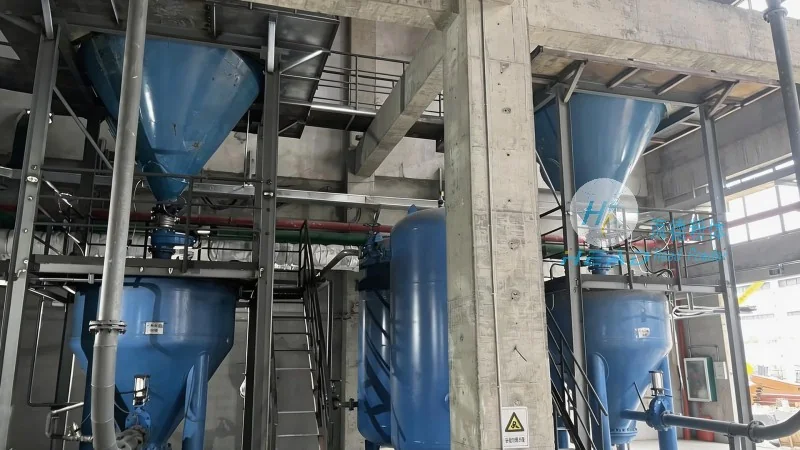
Screw Conveyors: A Traditional and Versatile Option
Screw conveyors, also known as auger conveyors, are among the most widely used equipment for transporting wheat bran. These systems consist of a rotating helical screw inside a U-shaped or cylindrical housing. As the screw rotates, it pushes the material forward, allowing for vertical, horizontal, or inclined transport. Screw conveyors are particularly effective for handling dry, free-flowing materials like wheat bran, as they can maintain a consistent flow without the need for additional power beyond the motor driving the screw. The design is relatively simple, making it easy to install and maintain, though it may not be suitable for very wet or sticky bran, which could cause blockages or excessive wear on the screw and housing.
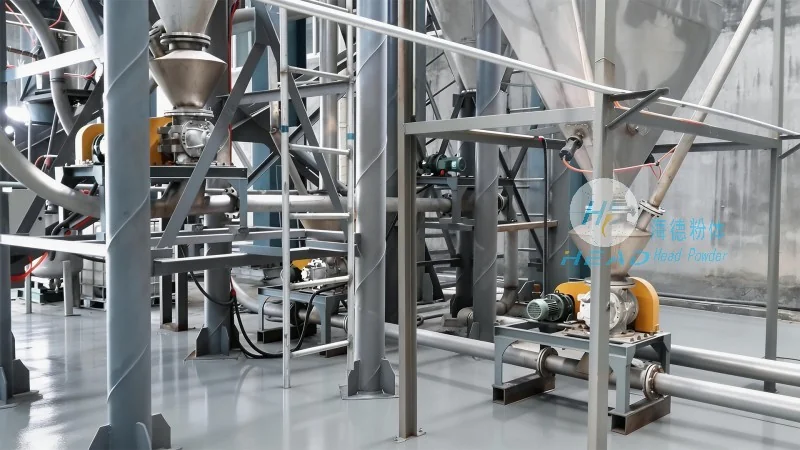
Pneumatic Conveying Systems: High-Capacity and Flexible Transport
Pneumatic conveying systems use air or other gases to transport wheat bran through a pipeline network. These systems can be categorized into two main types: pressure and vacuum. Pressure systems force air and material through the pipeline, while vacuum systems draw material into the system using a vacuum pump. Pneumatic conveyors offer high capacity and flexibility, as they can transport bran over long distances and even change direction easily by adjusting the pipeline layout. They are particularly advantageous for applications requiring dust control and containment, as the material is enclosed within the pipeline. However, pneumatic systems may require more energy compared to mechanical conveyors and can be more complex to install and maintain, especially for large-scale operations.
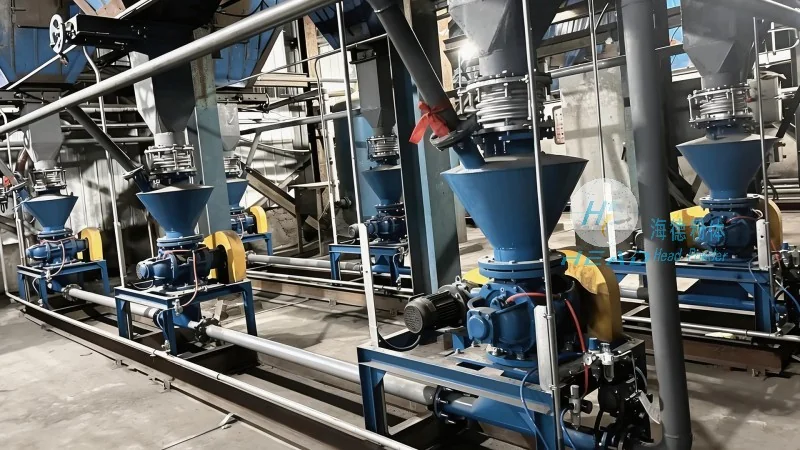
Belt Conveyors: Ideal for Bulk and Continuous Transport
Belt conveyors utilize a continuous belt to move wheat bran along a fixed path. The belt is supported by rollers or idlers and can be designed for horizontal, inclined, or combination transport. This method is highly effective for bulk handling of wheat bran, as it can handle large volumes with minimal labor. Belt conveyors are often used in combination with other equipment, such as feeders or elevators, to create a seamless material flow. They are particularly suitable for applications where the bran needs to be transported over long distances or at high speeds. However, belt conveyors require regular maintenance to ensure the belt remains in good condition and to prevent material buildup or spillage.
Bucket Elevators: Efficient Vertical Transport Solutions
Bucket elevators are specialized equipment designed for vertical transport of wheat bran. These systems consist of a series of buckets attached to a chain or belt, which moves vertically within a casing. As the buckets ascend, they scoop up the bran and discharge it at the top of the elevator. Bucket elevators are highly efficient for vertical transport, as they can move large volumes of material with minimal space requirements. They are particularly useful in facilities where vertical space is limited or where the bran needs to be lifted to a higher level for processing. However, bucket elevators may have higher initial costs compared to other conveyor types and require careful alignment to prevent material spillage or equipment damage.
HeadPowder's Expertise in Wheat Bran Conveying Solutions
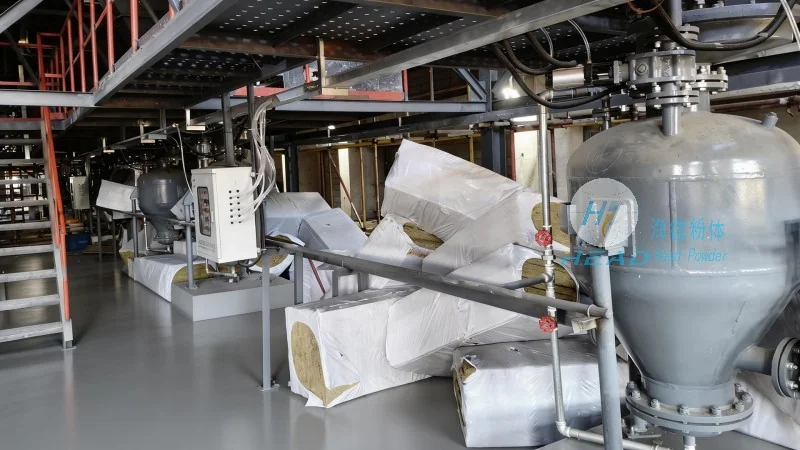
Shandong HeadPowder Engineering Co., Ltd., a leading provider of industrial conveying solutions, specializes in designing and manufacturing customized wheat bran conveying systems tailored to the specific needs of clients. With years of experience in the industry, HeadPowder understands the unique challenges associated with handling wheat bran, such as its variable moisture content and tendency to clump. The company's engineers work closely with clients to assess their operational requirements, including material flow rates, distance, and environmental conditions, to develop optimal conveying solutions. HeadPowder's solutions may integrate multiple conveyor types, such as screw conveyors and pneumatic systems, to achieve the most efficient and cost-effective transport. The company also provides maintenance and support services to ensure the longevity and reliability of the conveying equipment. By leveraging advanced technology and a deep understanding of material handling, HeadPowder helps clients improve their production efficiency and reduce operational costs in wheat bran processing.

 Công ty TNHH Kỹ thuật Công trình Bột Hải Đức Sơn Đông
 156-6277-7102(Quản lý Trương)
  0531-83386006
  Quận Chương Khâu, Thành phố Tế Nam, Tỉnh Sơn Đông, Trung Quốc
Điện thoại
WeChatTư vấn
Lên đầu