Công ty Hải Đức Bột với hơn 10 năm kinh nghiệm vận chuyển khí, cung cấp hệ thống‑thiết bị‑quạt gió và nhận dự án tổng thầu bột cả nước
Efficient transportation of coal ash slag is a critical aspect of industrial waste management, particularly in power plants and other facilities that generate significant amounts of this byproduct. Proper handling ensures compliance with environmental regulations and optimizes the utilization of resources. In this context, understanding the common methods for transporting coal ash slag becomes essential for facility operators seeking to enhance operational efficiency and sustainability.
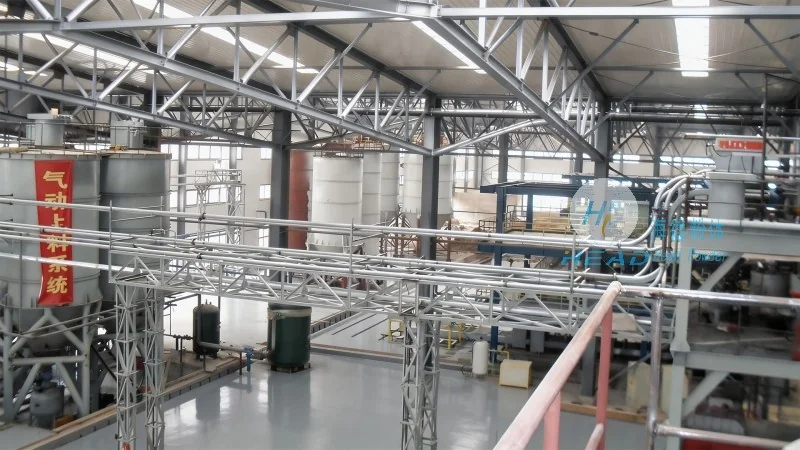
HeadPowder, a leading provider of engineering solutions for industrial waste management, specializes in developing and implementing effective systems for coal ash slag transportation. With a focus on innovation and practical application, the company's expertise helps clients address the unique challenges associated with handling this material. Based in Shandong, China, HeadPowder leverages its local knowledge and technical capabilities to deliver tailored solutions that meet the specific needs of its clients.
Gravity-Based Transportation Systems
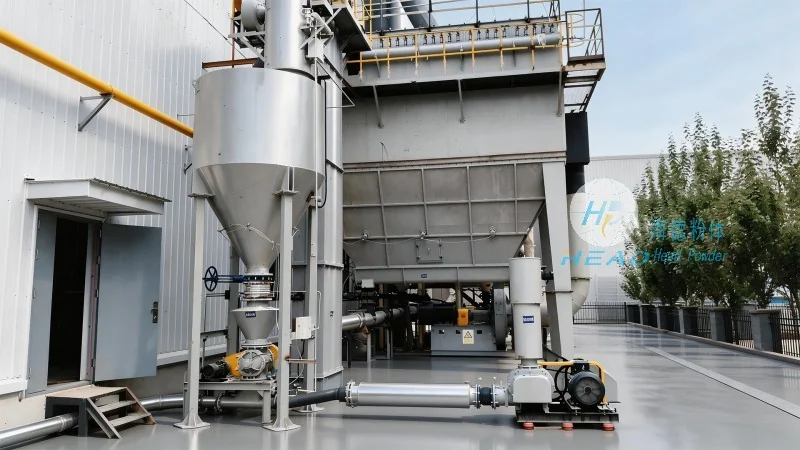
One of the most common methods for coal ash slag transportation is through gravity-based systems. These systems utilize the natural force of gravity to move the material from one location to another, often from storage silos or hoppers to processing or disposal areas. The design typically involves sloped chutes or conveyor belts that allow the ash slag to flow under its own weight. This approach is particularly effective for materials with a relatively high density and low moisture content, as it minimizes the need for additional energy input. Gravity systems are known for their simplicity and low operational costs, making them a popular choice for many industrial applications.
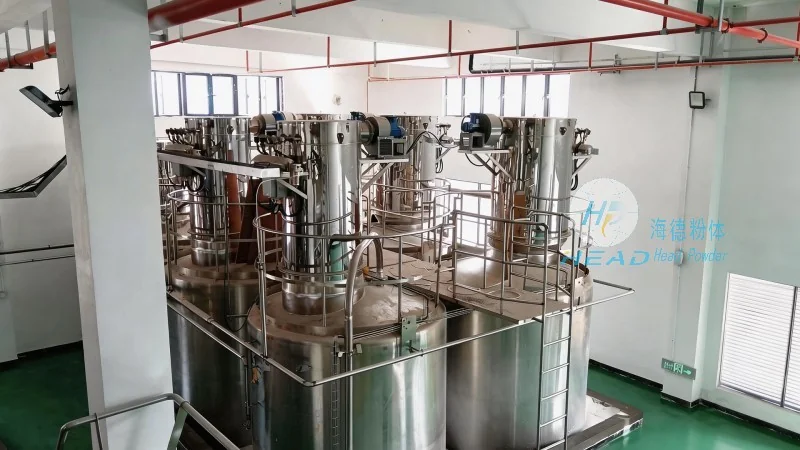
Mechanical Conveying Equipment
Another widely used method involves mechanical conveying equipment, such as belt conveyors, screw conveyors, and pneumatic systems. Belt conveyors are among the most versatile options, capable of transporting coal ash slag over long distances and at varying heights. They are particularly suitable for bulk materials and can be integrated with other processing equipment to form a continuous material handling line. Screw conveyors, on the other hand, are ideal for handling materials with a higher moisture content or those that are more cohesive. These systems use rotating screws to move the material forward, providing a compact and enclosed solution that reduces dust exposure. Pneumatic systems, or air conveying, utilize compressed air to transport the ash slag through pipelines. This method is especially effective for fine particles and can be used in both horizontal and vertical orientations. While pneumatic systems offer flexibility and can handle materials with varying properties, they may require higher energy consumption compared to other mechanical options.
Pump-Based Transportation Systems
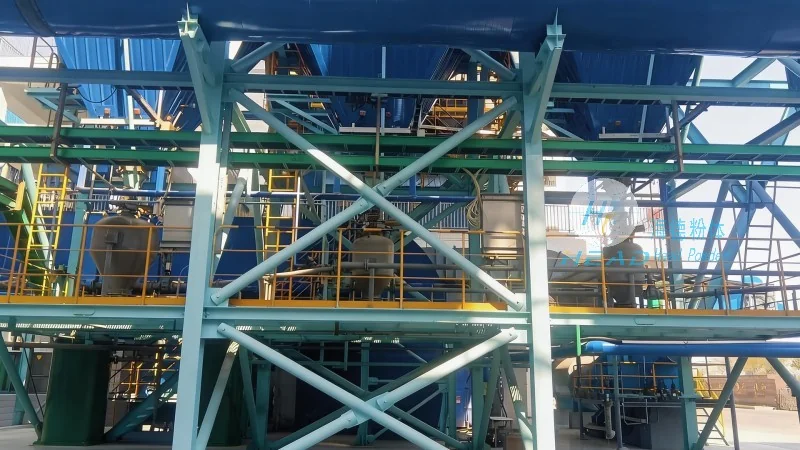
Pump-based systems are another common approach for transporting coal ash slag, especially when dealing with materials that have a higher moisture content or are more fluid. These systems typically use slurry pumps, which are designed to handle abrasive and corrosive materials. The process involves mixing the ash slag with water to form a slurry, which is then pumped through pipelines to the desired location. Slurry pumps can be either centrifugal or positive displacement types, each with its own advantages depending on the specific characteristics of the material. Centrifugal pumps are generally more suitable for high-volume applications and can handle larger particles, while positive displacement pumps are better for handling viscous or low-flow materials. Pump-based systems are particularly effective for long-distance transportation and can be integrated with treatment facilities to manage the ash slag efficiently.
Integrated or Hybrid Transportation Systems
In many cases, a combination of the above methods is employed to achieve optimal results. Integrated systems may incorporate gravity flow in the initial stages, followed by mechanical or pump-based transport for the remainder of the journey. This approach allows for flexibility and adaptability to the varying properties of the coal ash slag. For example, a facility might use a gravity chute to move the material from a storage silo to a conveyor belt, which then transports it to a processing plant. The use of hybrid systems enables operators to leverage the strengths of each method while mitigating their individual limitations. This integrated approach is particularly beneficial for complex industrial settings where multiple processing steps are involved.

 Công ty TNHH Kỹ thuật Công trình Bột Hải Đức Sơn Đông
 156-6277-7102(Quản lý Trương)
  0531-83386006
  Quận Chương Khâu, Thành phố Tế Nam, Tỉnh Sơn Đông, Trung Quốc
Điện thoại
WeChatTư vấn
Lên đầu