Công ty Hải Đức Bột với hơn 10 năm kinh nghiệm vận chuyển khí, cung cấp hệ thống‑thiết bị‑quạt gió và nhận dự án tổng thầu bột cả nước
When it comes to the efficient handling and transportation of polypropylene materials, selecting the right conveying method is crucial for maintaining product quality and operational efficiency. As a leading provider in the field, Shandong HeadPowder Engineering Co., Ltd. specializes in offering tailored solutions that address the unique challenges of polypropylene handling. This article explores the common methods used for polypropylene conveying, highlighting their applications and benefits.
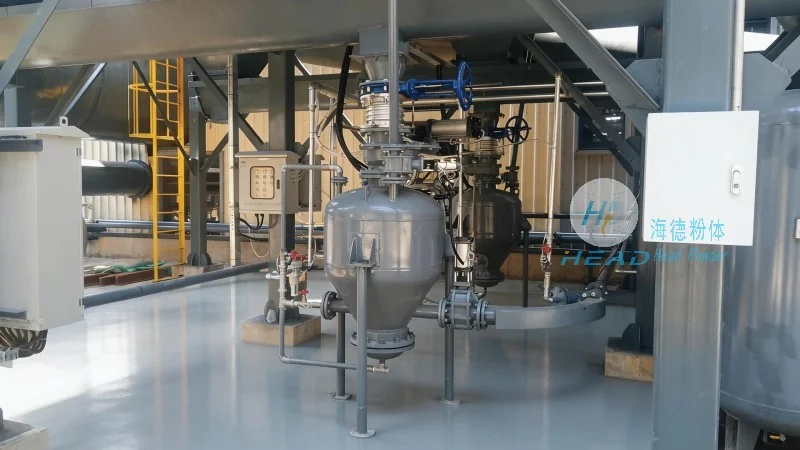
Understanding Polypropylene and Conveying Needs
Polypropylene (PP) is a widely used thermoplastic polymer known for its lightweight, durability, and resistance to chemicals and moisture. Its applications span various industries, including packaging, automotive, and construction. However, due to its granular or pellet form, polypropylene requires specialized conveying systems to ensure safe and efficient movement. The choice of conveying method depends on factors such as material flow rate, distance, environmental conditions, and the need for minimal product degradation.
Common Conveying Methods for Polypropylene
Several methods are commonly employed for polypropylene conveying, each with distinct advantages and applications. The primary methods include mechanical conveying systems, pneumatic conveying systems, and gravity-based systems. Each method is designed to address specific operational requirements while maintaining product integrity.
1. Mechanical Conveying Systems
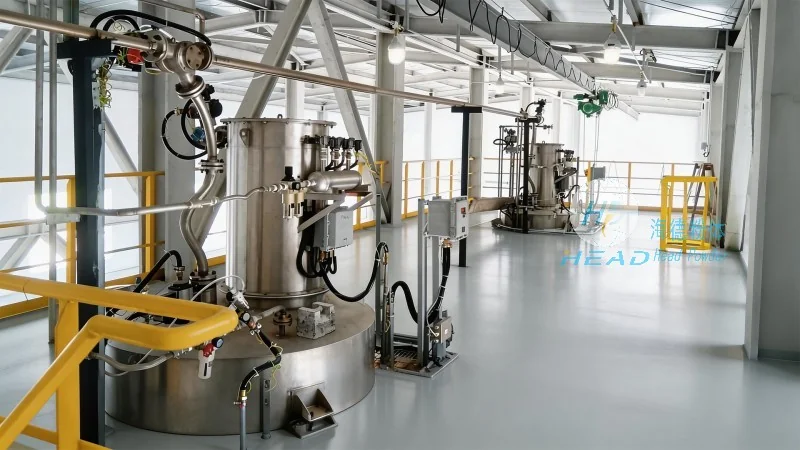
Mechanical conveying systems utilize mechanical components like belts, screws, and buckets to transport polypropylene. These systems are highly effective for handling bulk quantities over longer distances. For instance, screw conveyors are widely used in polypropylene processing plants due to their ability to handle abrasive materials without causing excessive wear. The screw design, with its helical flights, ensures continuous and controlled movement of the material, minimizing the risk of blockages or product degradation. Additionally, mechanical conveyors can be integrated with other processing equipment, such as mixers or extruders, to streamline production workflows.
2. Pneumatic Conveying Systems
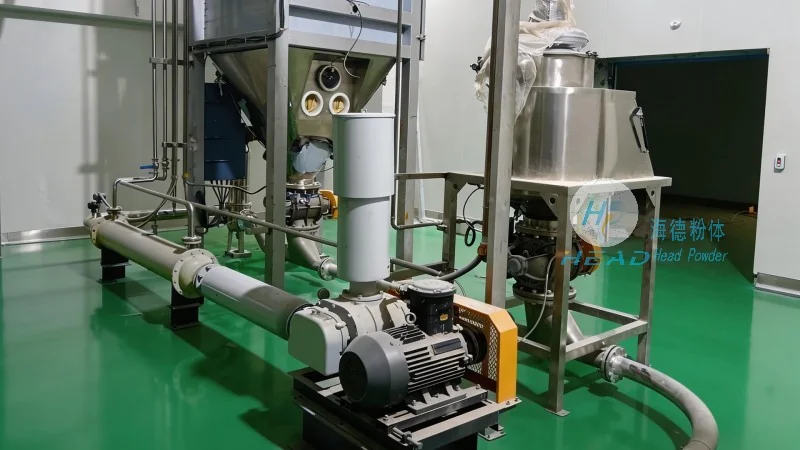
Pneumatic conveying systems rely on air or other gases to transport polypropylene particles through a pipeline. This method is particularly suitable for applications requiring high-speed, low-maintenance conveying over moderate distances. There are two main types of pneumatic systems: pressure and vacuum. Pressure systems use compressed air to push the material forward, while vacuum systems use suction to draw the material into the pipeline. Pneumatic conveying is ideal for polypropylene because it minimizes product contamination and can handle fine powders or pellets. However, it may not be as efficient for very long distances or high-volume applications compared to mechanical systems.
3. Gravity Conveying Systems
Gravity conveying systems utilize the natural force of gravity to move polypropylene from a higher to a lower elevation. This method is simple, cost-effective, and requires minimal energy input. It is commonly used in short-distance applications where the material can be easily guided along a sloped chute or conveyor. For example, gravity chutes are often employed in polypropylene storage and transfer operations to move material from silos or hoppers to processing equipment. While gravity systems are effective for low-volume, low-speed applications, they are limited by the need for a suitable slope and may not be suitable for vertical or long horizontal distances.
Choosing the Right Conveying Method for Polypropylene
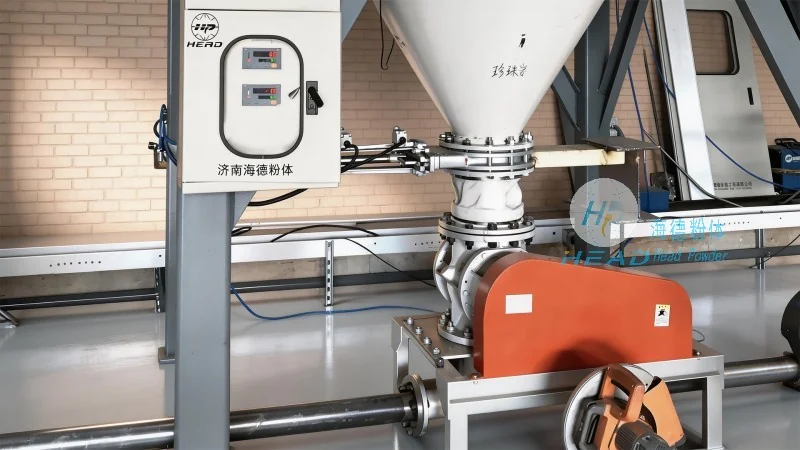
The selection of an appropriate conveying method for polypropylene depends on several key factors. First, the material's flow characteristics, such as its bulk density and angle of repose, must be considered. Second, the distance and elevation changes between the source and destination of the material are critical. Third, the required flow rate and throughput must align with the system's capacity. Finally, operational considerations, including maintenance requirements and cost, play a significant role in the decision-making process.
Conclusion
Efficient polypropylene conveying is essential for maintaining production efficiency and product quality. Shandong HeadPowder Engineering Co., Ltd. offers comprehensive solutions tailored to the specific needs of polypropylene handling. By understanding the different conveying methods and their applications, businesses can select the most suitable system to optimize their operations. Whether through mechanical, pneumatic, or gravity-based systems, the right choice ensures reliable and consistent polypropylene transportation, supporting overall production goals.

 Công ty TNHH Kỹ thuật Công trình Bột Hải Đức Sơn Đông
 156-6277-7102(Quản lý Trương)
  0531-83386006
  Quận Chương Khâu, Thành phố Tế Nam, Tỉnh Sơn Đông, Trung Quốc
Điện thoại
WeChatTư vấn
Lên đầu