Công ty Hải Đức Bột với hơn 10 năm kinh nghiệm vận chuyển khí, cung cấp hệ thống‑thiết bị‑quạt gió và nhận dự án tổng thầu bột cả nước
Carbon fiber, a high-performance material prized for its exceptional strength-to-weight ratio and lightweight properties, is widely used in aerospace, automotive, and sports equipment manufacturing. Efficient and reliable conveyance of carbon fiber is crucial for maintaining product quality and optimizing production processes. This article explores the common methods used for carbon fiber conveyance, highlighting key considerations and practical applications. HeadPowder, a leading engineering firm based in Shandong, China, specializes in providing tailored conveyance solutions for carbon fiber processing, ensuring that manufacturers can achieve optimal performance and material integrity.
Gravity Conveyance Systems
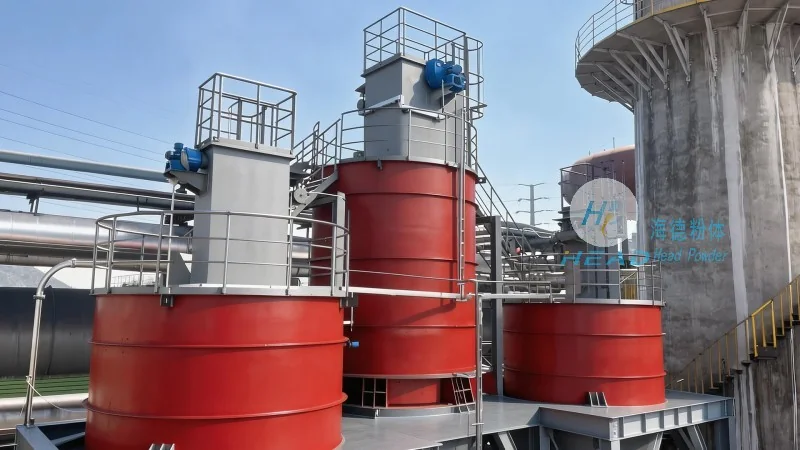
Gravity conveyance relies on the natural force of gravity to move carbon fiber materials from one location to another. This method is often employed in applications where the material can be safely and efficiently transported over short distances without the need for additional power. The primary components of a gravity system typically include chutes, hoppers, and inclined conveyors. These systems are particularly effective for handling bulk carbon fiber in a controlled manner, minimizing the risk of material degradation or contamination. The design of gravity conveyance systems must consider factors such as material density, flow characteristics, and the need for gentle handling to prevent fiber breakage or entanglement.
Mechanical Conveyance Methods
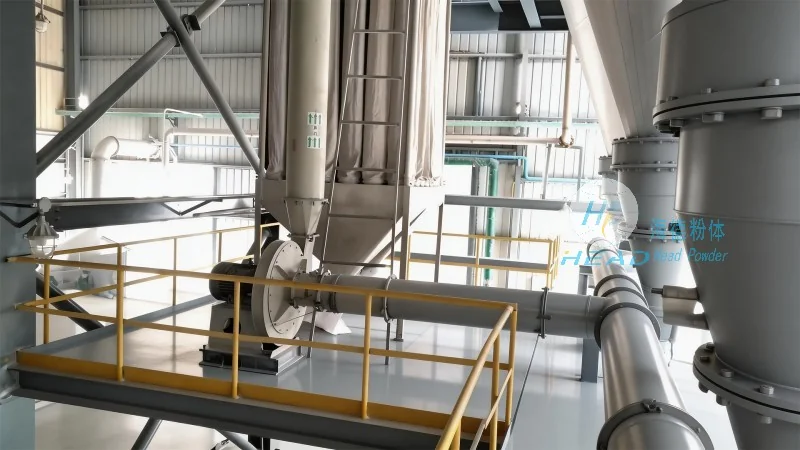
Mechanical conveyance utilizes machinery to transport carbon fiber, offering greater control and flexibility compared to gravity systems. Among the most common mechanical methods are belt conveyors and screw conveyors. Belt conveyors are widely used for horizontal or slight incline transport, capable of handling large volumes of carbon fiber while maintaining a consistent flow rate. Screw conveyors, on the other hand, are ideal for vertical or inclined transport, often used in processing plants where vertical movement is required. Both systems are designed to handle the abrasive nature of carbon fiber, with materials such as stainless steel or specialized polymers used for conveyor components to ensure durability and prevent material wear. The choice between belt and screw conveyors depends on the specific application requirements, including the distance to be covered, the angle of incline, and the need for gentle material handling.
Airborne (Pneumatic) Conveyance
Airborne or pneumatic conveyance is a highly effective method for transporting carbon fiber, especially in applications where dust control and contamination prevention are critical. This system uses compressed air to move carbon fiber particles through a network of pipes or ducts. The process involves feeding the carbon fiber into a hopper, where it is then drawn into the air stream and transported to the destination. Pneumatic conveyance systems are particularly suitable for fine or powdery carbon fiber, as they can handle materials with high moisture content or sensitivity to moisture. The design of these systems must consider factors such as air pressure, flow rate, and the need for filtration to maintain air quality and prevent material buildup in the system. Additionally, the use of specialized valves and controls ensures precise material delivery and prevents backflow or clogging.
Hybrid Conveyance Systems
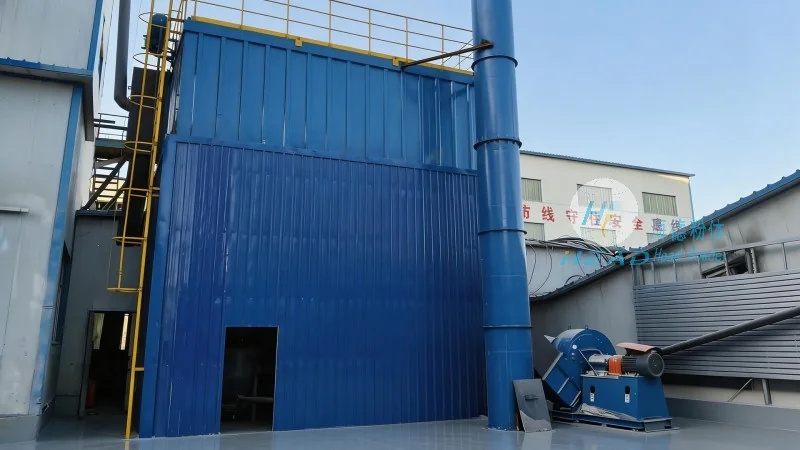
Hybrid conveyance systems combine elements of gravity, mechanical, and pneumatic methods to address complex carbon fiber transport needs. These systems are often used in large-scale manufacturing facilities where multiple material handling requirements must be met simultaneously. For example, a hybrid system might use a gravity chute to transport bulk carbon fiber from a storage silo to a mechanical screw conveyor, which then feeds a pneumatic system for final distribution to processing lines. The integration of multiple conveyance methods allows for greater efficiency and flexibility, enabling manufacturers to optimize material flow based on real-time production demands. Hybrid systems also offer the advantage of reduced energy consumption compared to purely mechanical or pneumatic solutions, as they leverage natural forces where possible.
Key Considerations for Carbon Fiber Conveyance
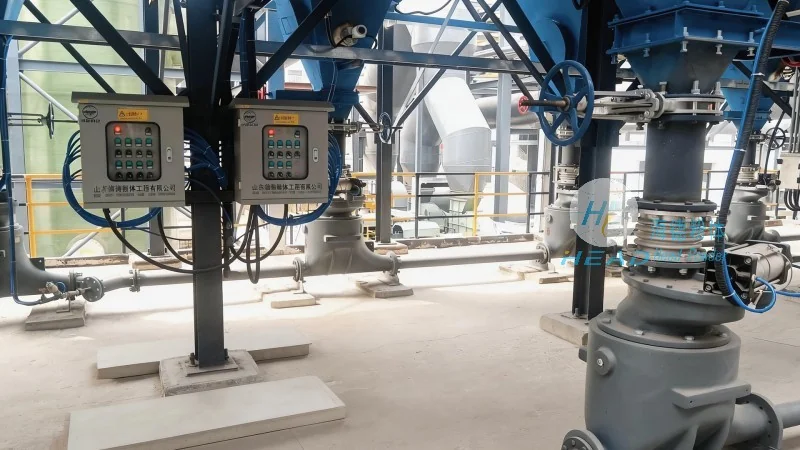
When selecting a conveyance method for carbon fiber, several factors must be carefully evaluated to ensure optimal performance and material integrity. First, the physical properties of the carbon fiber, such as its density, particle size, and moisture content, play a critical role in determining the most suitable system. For instance, fine carbon fiber powders may require pneumatic conveyance to prevent dust accumulation and ensure consistent flow, while larger fibers may be better suited for mechanical or gravity systems. Second, the production environment and operational requirements, including the distance to be covered, the number of transfer points, and the need for automation, influence the choice of conveyance method. Third, maintenance and operational costs must be considered, as different systems have varying requirements for upkeep and energy consumption. Finally, the impact of the conveyance system on product quality, such as minimizing fiber breakage or contamination, is a key consideration for manufacturers aiming to maintain high standards in their carbon fiber products.
Conclusion
Efficient carbon fiber conveyance is essential for the success of modern manufacturing processes, particularly in industries that rely on high-performance materials. The choice of conveyance method depends on a variety of factors, including material properties, operational requirements, and cost considerations. By understanding the common methods available and their specific applications, manufacturers can select the most appropriate system to ensure reliable, cost-effective, and high-quality carbon fiber transport. As a leading provider in the field, Shandong HeadPowder Engineering Co., Ltd. specializes in designing and implementing tailored conveyance solutions that meet the unique needs of carbon fiber processing facilities, helping businesses optimize their operations and maintain competitive advantages in the market.

 Công ty TNHH Kỹ thuật Công trình Bột Hải Đức Sơn Đông
 156-6277-7102(Quản lý Trương)
  0531-83386006
  Quận Chương Khâu, Thành phố Tế Nam, Tỉnh Sơn Đông, Trung Quốc
Điện thoại
WeChatTư vấn
Lên đầu