Công ty Hải Đức Bột với hơn 10 năm kinh nghiệm vận chuyển khí, cung cấp hệ thống‑thiết bị‑quạt gió và nhận dự án tổng thầu bột cả nước
Organic silicone powders are widely used in various industries due to their excellent properties, such as thermal stability, electrical insulation, and low surface energy. However, the efficient and reliable transportation of these powders from storage to processing equipment is a critical challenge for manufacturers. Different conveying methods are employed based on the powder characteristics, production scale, and operational environment. This article explores several common methods for silicone powder conveying, highlighting the key considerations and applications.
1. Air-Flow Conveying (Pneumatic Conveying)
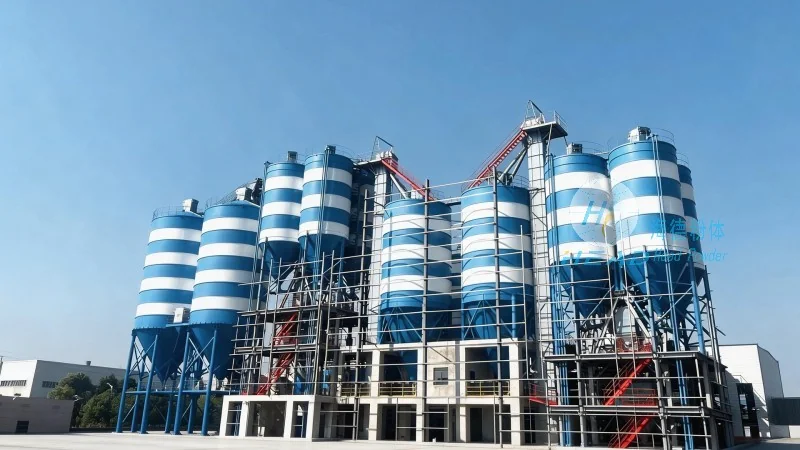
Air-flow conveying, also known as pneumatic conveying, is one of the most common methods for transporting fine powders like organic silicone powder. This technique uses compressed air to move the powder through a pipeline system. There are two main types: pressure and vacuum systems. In pressure systems, air is introduced at the discharge end, creating a positive pressure that pushes the powder forward. Vacuum systems, on the other hand, draw the powder into the system using a vacuum at the intake end. The choice between pressure and vacuum depends on factors like the distance to be covered, the required flow rate, and the dust control needs. For silicone powders, which are often light and fine, pressure systems are frequently preferred as they can handle higher capacities and longer distances without significant pressure drop. HeadPowder Engineering Co., Ltd., a leading provider in the field, offers specialized pneumatic conveying systems tailored to the unique properties of silicone powders. Their systems are designed with high-efficiency filters and adjustable air flow controls to ensure minimal dust emission and optimal performance. The company's expertise in material handling ensures that the conveying process is both efficient and environmentally friendly.
2. Screw Conveyors
Screw conveyors are another widely used method for transporting organic silicone powders, especially in applications where horizontal or slight incline movement is required. A screw conveyor consists of a rotating helical screw inside a trough or tube. As the screw rotates, it pushes the powder forward. The speed of the screw and the pitch (the distance between the screw flights) can be adjusted to control the flow rate and the pressure exerted on the powder. Screw conveyors are particularly suitable for handling free-flowing powders with low to moderate moisture content. They are also relatively simple in design, making them cost-effective and easy to maintain. However, they may not be ideal for very fine or cohesive powders, as these can cause blockages or excessive wear on the screw and trough. HeadPowder Engineering Co., Ltd. manufactures high-quality screw conveyors specifically for silicone powders, using materials that resist corrosion and abrasion. Their conveyors are equipped with wear-resistant liners and adjustable speed drives to ensure long service life and consistent performance. The company's focus on durability and reliability makes screw conveyors a trusted choice for many silicone powder processing facilities.
3. Vibrating Conveyors
Vibrating conveyors utilize vibration to move silicone powders along a trough. The conveyor is mounted on springs or supports that cause it to vibrate at a specific frequency and amplitude. This vibration helps to keep the powder in motion, preventing it from settling or caking. Vibrating conveyors are effective for handling powders with varying bulk densities and flow characteristics, including those that are prone to bridging or segregation. They are particularly useful in applications where the powder needs to be transported over long distances or through multiple levels. The design of vibrating conveyors allows for easy cleaning and maintenance, as the trough can be easily removed and inspected. HeadPowder Engineering Co., Ltd. offers vibrating conveyors with adjustable vibration parameters, enabling operators to optimize the conveying process for different powder types. The company's conveyors are built with robust construction and high-quality bearings to ensure smooth operation and minimal downtime. For silicone powders that are prone to sticking or bridging, vibrating conveyors provide an effective solution, ensuring consistent and reliable material flow.
4. Belt Conveyors
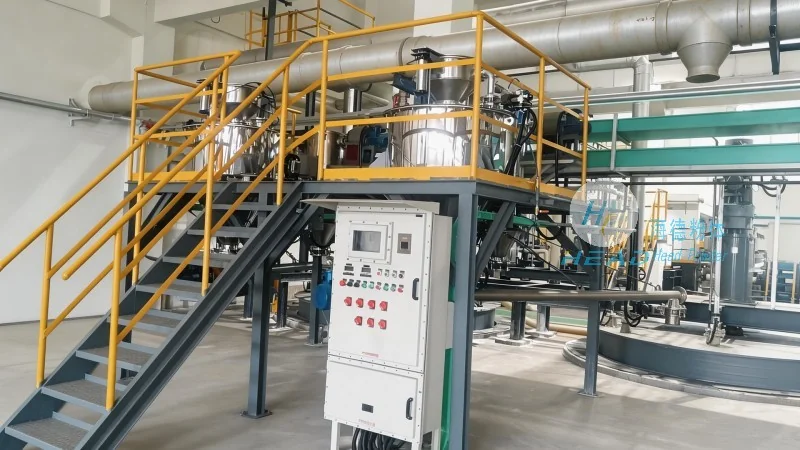
Belt conveyors are commonly used for transporting bulk materials, including organic silicone powders, over long distances or in continuous production lines. A belt conveyor consists of a continuous belt that moves over rollers or pulleys. The powder is placed on the belt and carried to the discharge point. Belt conveyors are known for their high capacity and ability to handle large volumes of material. They are also suitable for transporting powders with a wide range of particle sizes and moisture contents. However, they require a relatively flat surface and may not be suitable for vertical or steep incline applications. HeadPowder Engineering Co., Ltd. provides belt conveyor systems designed specifically for silicone powders, using belts made from materials that are resistant to chemical and thermal degradation. The company's conveyors are equipped with tensioning mechanisms and idler rollers to ensure proper belt alignment and reduce wear. The use of high-quality belts and components ensures that the conveyor operates efficiently and with minimal maintenance. For large-scale production facilities, belt conveyors offer a reliable and cost-effective solution for silicone powder transportation.
5. Hydraulic Conveying
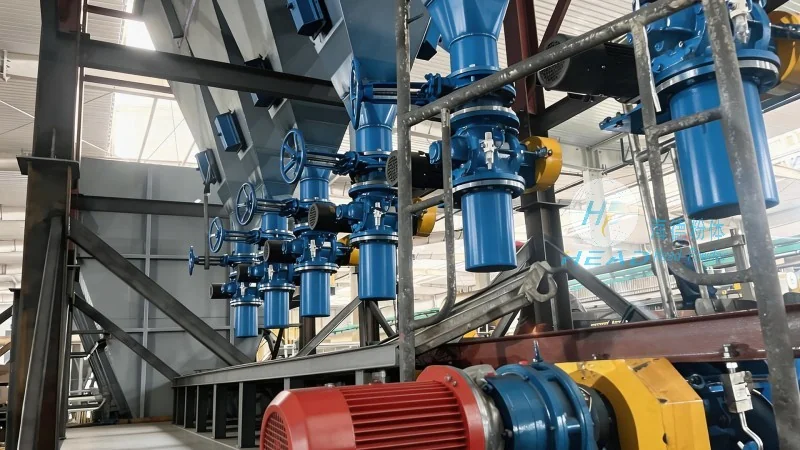
Hydraulic conveying, also known as slurry conveying, involves transporting silicone powders in a liquid medium, typically water or a specialized fluid. The powder is mixed with the liquid to form a slurry, which is then pumped through a pipeline system. This method is particularly effective for handling very fine or cohesive powders that are difficult to convey using other methods. Hydraulic conveying can also be used to transport powders over long distances and through complex layouts. However, it requires additional equipment for slurry preparation and separation, such as a centrifuge or filter press, to recover the powder from the liquid. HeadPowder Engineering Co., Ltd. offers hydraulic conveying systems for silicone powders, including the necessary equipment for slurry preparation and separation. The company's systems are designed to minimize water usage and ensure efficient recovery of the powder, making them environmentally friendly. Hydraulic conveying is often used in applications where the powder needs to be transported in a wet state, such as in the production of silicone-based coatings or adhesives.
6. Pneumatic and Mechanical Combination Systems
In some cases, a combination of pneumatic and mechanical conveying methods is used to optimize the transport of silicone powders. For example, a pneumatic system may be used to transport the powder from a storage silo to a processing unit, while a screw or belt conveyor is used to move the powder within the processing facility. This hybrid approach allows for the benefits of both methods to be utilized, such as the high capacity of pneumatic systems and the precision of mechanical conveyors. HeadPowder Engineering Co., Ltd. specializes in designing and manufacturing combination systems that integrate pneumatic and mechanical components. Their systems are tailored to the specific requirements of each application, ensuring that the conveying process is both efficient and cost-effective. The company's expertise in system integration ensures that the different components work together seamlessly, minimizing downtime and maximizing productivity.
Conclusion
The choice of conveying method for organic silicone powders depends on various factors, including the powder's properties, the production scale, and the operational environment. Air-flow conveying, screw conveyors, vibrating conveyors, belt conveyors, hydraulic conveying, and combination systems each offer unique advantages and are suitable for different applications. HeadPowder Engineering Co., Ltd. provides a range of specialized conveying solutions that address the specific needs of silicone powder manufacturers. By leveraging their expertise in material handling and equipment design, the company ensures that the conveying process is efficient, reliable, and environmentally friendly. Whether you need a pneumatic system for long-distance transport or a screw conveyor for in-plant handling, HeadPowder Engineering Co., Ltd. offers the right solution to meet your requirements.

 Công ty TNHH Kỹ thuật Công trình Bột Hải Đức Sơn Đông
 156-6277-7102(Quản lý Trương)
  0531-83386006
  Quận Chương Khâu, Thành phố Tế Nam, Tỉnh Sơn Đông, Trung Quốc
Điện thoại
WeChatTư vấn
Lên đầu