Công ty Hải Đức Bột với hơn 10 năm kinh nghiệm vận chuyển khí, cung cấp hệ thống‑thiết bị‑quạt gió và nhận dự án tổng thầu bột cả nước
Phosphate iron lithium (LFP) is a vital component in contemporary battery technologies, serving as a core material for electric vehicles, energy storage systems, and various high-energy applications. The efficient and secure transport of LFP is fundamental to the entire supply chain, spanning from raw material processing to final product assembly. This article examines the common methods utilized for LFP transport, highlighting key considerations and industry best practices.
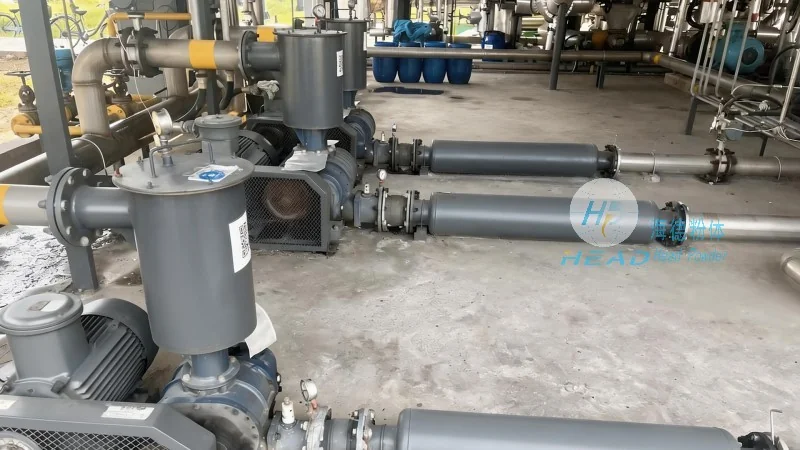
Overview of Phosphate Iron Lithium Transport
LFP is typically transported in bulk form, often as a powder or granular substance. The selection of a transport method depends on multiple factors, including the material's physical characteristics, the distance to be covered, the required throughput, and regional environmental regulations. Common transport methods encompass bulk handling systems, conveyor systems, and specialized pumping equipment. Each method presents distinct advantages and limitations, which are detailed below.
1. Bulk Handling and Conveyor Systems
Bulk handling and conveyor systems are widely employed for the transport of LFP. These systems are engineered to move substantial quantities of material over short to medium distances, such as within a manufacturing facility or between processing plants. Conveyor belts, screw conveyors, and bucket elevators are typical components in these systems. The primary advantage of conveyor systems is their capacity to handle high volumes with minimal labor, while maintaining a consistent flow rate. However, they may necessitate regular maintenance to prevent material buildup and ensure smooth operation. For LFP, which can be abrasive and generate dust, proper sealing and dust control measures are essential to avoid contamination and ensure worker safety.
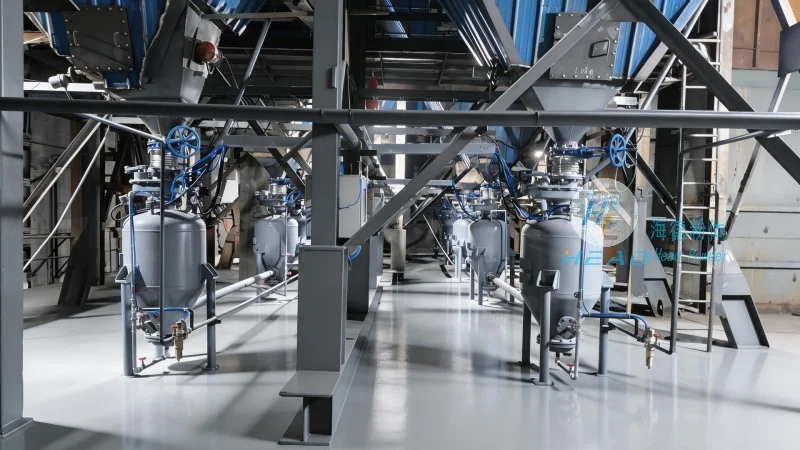
2. Pumping and Fluidization Techniques
For applications requiring LFP to be transported over longer distances or through complex piping networks, pumping and fluidization techniques are often utilized. These methods involve suspending LFP particles in a fluid medium, such as air or a specialized carrier liquid, to create a slurry or fluidized bed. This allows the material to be pumped through pipelines using centrifugal or positive displacement pumps. The fluidization process ensures that LFP particles remain in a suspended state, preventing clogging and maintaining consistent flow. This approach is particularly beneficial for transporting LFP to remote locations or integrating it into automated production lines. Nonetheless, it requires careful control of fluidization parameters to avoid particle agglomeration and preserve the material's quality.
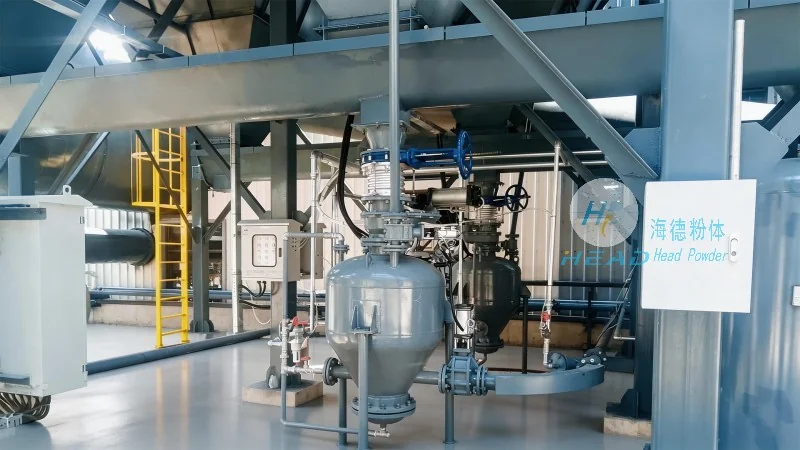
3. Specialized Transport Equipment
In certain scenarios, specialized transport equipment is employed to handle LFP, especially when dealing with large volumes or unique logistical challenges. This may include bulk trucks equipped with dust suppression systems, railcars with enclosed containers, or containerized transport solutions. These methods are commonly used for intercity or international transport, where the material must be moved over long distances without compromising its quality or safety. The use of specialized equipment ensures LFP is protected from moisture, contamination, and physical damage during transit. Additionally, these systems are designed to comply with local regulations regarding hazardous material handling, providing an extra layer of safety and compliance.
Key Considerations for Safe and Efficient LFP Transport
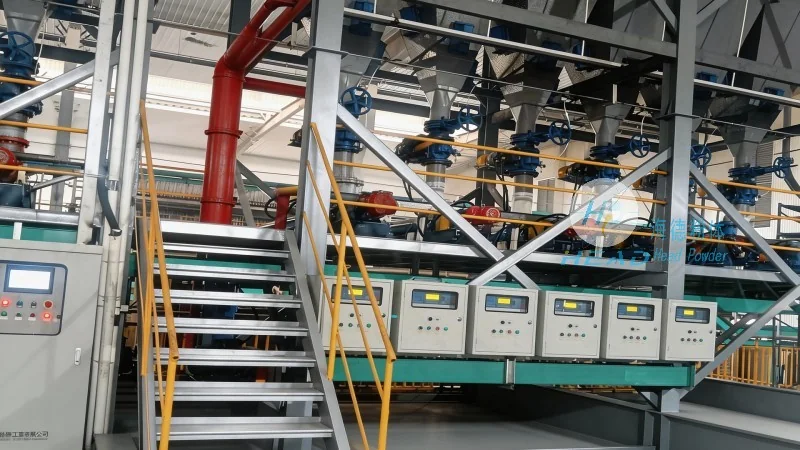
Regardless of the transport method selected, several key considerations must be addressed to ensure the safe and efficient movement of phosphate iron lithium. First, the material's chemical and physical properties must be carefully evaluated. LFP is a fine powder prone to dust generation, which poses health and safety risks. Therefore, dust control measures, such as enclosures, ventilation systems, and personal protective equipment (PPE), are critical. Second, the transport system must be designed to prevent contamination. LFP is a high-value material, and any contamination can significantly reduce its performance and market value. This requires strict cleaning protocols and the use of dedicated equipment to avoid cross-contamination with other materials. Third, compliance with environmental and safety regulations is essential. Transport methods must adhere to local and international standards for hazardous material handling, including proper labeling, documentation, and emergency response plans.
Conclusion
Phosphate iron lithium transport is a complex process that demands careful planning and execution to ensure efficiency, safety, and compliance. The choice of transport method depends on various factors, including the scale of operation, distance, and material properties. Bulk handling systems, pumping techniques, and specialized equipment each offer unique advantages and are selected based on specific project requirements. By implementing best practices in dust control, contamination prevention, and regulatory compliance, companies can ensure the reliable and safe transport of LFP, supporting the growth of the battery industry and the transition to sustainable energy solutions.

 Công ty TNHH Kỹ thuật Công trình Bột Hải Đức Sơn Đông
 156-6277-7102(Quản lý Trương)
  0531-83386006
  Quận Chương Khâu, Thành phố Tế Nam, Tỉnh Sơn Đông, Trung Quốc
Điện thoại
WeChatTư vấn
Lên đầu