Công ty Hải Đức Bột với hơn 10 năm kinh nghiệm vận chuyển khí, cung cấp hệ thống‑thiết bị‑quạt gió và nhận dự án tổng thầu bột cả nước
Nickel sulfate is a critical chemical compound widely used in various industrial applications, including battery manufacturing, electroplating, and chemical synthesis. The efficient and reliable conveyance of nickel sulfate crystals is essential for maintaining production efficiency and ensuring product quality. This article explores the common methods used for the crystallization and conveying of nickel sulfate, highlighting the key considerations and technologies employed in the process.
Key Factors Influencing Conveying Methods
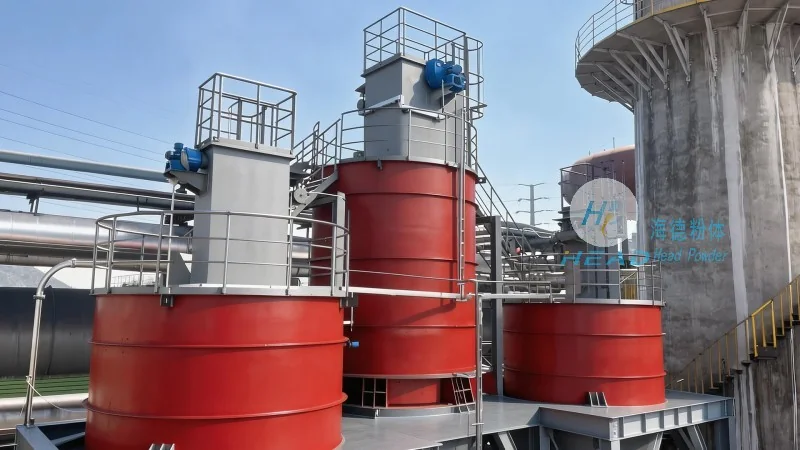
When selecting a conveying method for nickel sulfate crystals, several factors must be considered, including the physical properties of the material, such as particle size, moisture content, and bulk density, as well as the production scale, operational environment, and desired throughput. These factors directly impact the choice of equipment and the overall effectiveness of the conveying system. For instance, fine-grained crystals may require specialized equipment to prevent clogging and ensure smooth flow, while larger crystals might be more suitable for conventional bulk handling solutions.
Common Conveying Methods for Nickel Sulfate Crystals
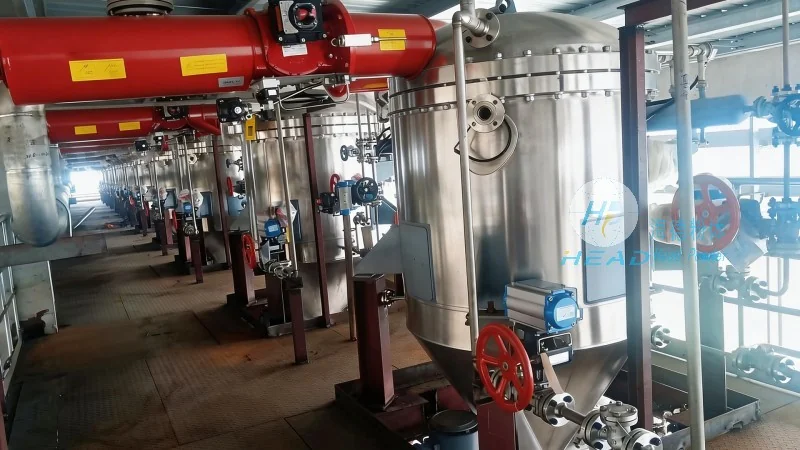
Several established methods are commonly employed for the conveyance of nickel sulfate crystals, each with its own advantages and applications. The most prevalent methods include belt conveyors, screw conveyors, and pneumatic conveying systems. Each of these technologies addresses specific operational needs and material characteristics, providing tailored solutions for different industrial settings.
Belt Conveyors for Crystallization Conveying
Belt conveyors are widely used for the transport of nickel sulfate crystals due to their high capacity, durability, and ability to handle a wide range of particle sizes. These systems consist of a continuous belt that moves over rollers or pulleys, transporting the material from one location to another. Belt conveyors are particularly effective for long-distance conveying and can be customized with various features, such as incline or decline angles, to accommodate different production layouts. The smooth surface of the belt minimizes material degradation and ensures a consistent flow, making it an ideal choice for sensitive crystalline materials like nickel sulfate.
Screw Conveyors in Nickel Sulfate Handling
Screw conveyors, also known as auger conveyors, are another common solution for conveying nickel sulfate crystals. These systems utilize a rotating screw or auger to move material along a trough. Screw conveyors are well-suited for handling bulk materials and can be designed to operate in both horizontal and vertical orientations. They are particularly effective for materials with moderate to high bulk density and are often used in processing plants where space is limited. The enclosed design of screw conveyors helps to contain dust and prevent material loss, which is crucial for maintaining product purity and compliance with environmental regulations.
Pneumatic Conveying Systems for Crystalline Materials
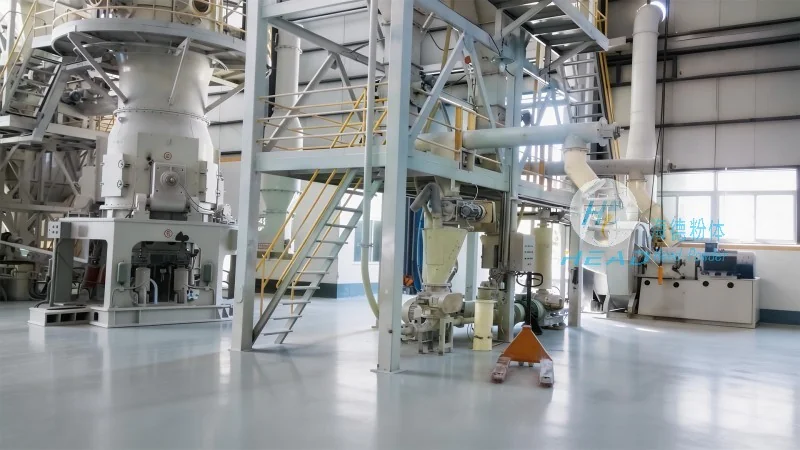
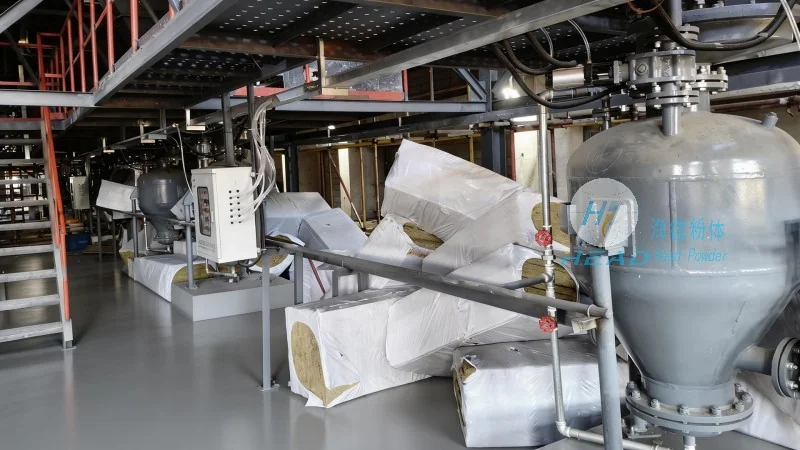
Pneumatic conveying systems use air or other gases to transport nickel sulfate crystals through a pipeline. This method is particularly advantageous for materials that are dusty or require minimal contact with equipment, as it eliminates the need for direct mechanical contact. Pneumatic systems can be categorized into pressure and vacuum types, each offering different benefits depending on the application. Pressure systems are typically used for short to medium-distance conveying, while vacuum systems are more suitable for longer distances or when the material needs to be collected from multiple points. The flexibility of pneumatic conveying allows for integration with other processing equipment, enabling seamless material transfer within the production line.
Specialized Conveying Solutions for Nickel Sulfate
In addition to the standard methods mentioned above, specialized conveying solutions may be required for specific applications or material characteristics. For example, some processes may involve the use of vibratory conveyors, which utilize vibration to move material along a trough, reducing the risk of clogging and improving flow consistency. Vibratory conveyors are particularly effective for handling sticky or cohesive materials, such as certain types of nickel sulfate crystals that may tend to agglomerate. Another specialized option is the use of bucket elevators, which are ideal for vertical conveying of bulk materials over significant heights. These systems are often used in large-scale production facilities where vertical transport is necessary to move material between different levels of the plant.
Considerations for Selecting the Right Conveying System
Choosing the appropriate conveying method for nickel sulfate crystals requires a thorough evaluation of operational requirements and material properties. Factors such as throughput capacity, distance to be covered, and the need for material containment or dust control are critical in determining the most suitable technology. Additionally, the cost of equipment, maintenance requirements, and energy consumption should be considered to ensure long-term operational efficiency. It is also important to consider the impact of the conveying system on product quality, as any mechanical stress or contamination can affect the final product's performance. By carefully assessing these factors, industrial operators can select a conveying system that optimizes performance, reduces downtime, and maintains product integrity.
About Shandong HeadPowder Engineering Co., Ltd.
Shandong HeadPowder Engineering Co., Ltd., commonly known as HeadPowder, is a leading provider of specialized engineering solutions for the chemical and material processing industries. With a strong focus on innovation and customer satisfaction, HeadPowder offers a wide range of equipment and services tailored to the unique needs of its clients. The company's expertise in material handling and processing technologies enables it to deliver high-quality solutions for various applications, including the conveyance of nickel sulfate crystals. HeadPowder's commitment to quality and reliability has established it as a trusted partner in the industry, helping businesses enhance their operational efficiency and achieve their production goals.

 Công ty TNHH Kỹ thuật Công trình Bột Hải Đức Sơn Đông
 156-6277-7102(Quản lý Trương)
  0531-83386006
  Quận Chương Khâu, Thành phố Tế Nam, Tỉnh Sơn Đông, Trung Quốc
Điện thoại
WeChatTư vấn
Lên đầu