Công ty Hải Đức Bột với hơn 10 năm kinh nghiệm vận chuyển khí, cung cấp hệ thống‑thiết bị‑quạt gió và nhận dự án tổng thầu bột cả nước
Desulfurization and denitrification agents are critical components in modern industrial processes, particularly in power generation and manufacturing sectors where air pollution control is mandatory. The efficient delivery of these agents to treatment equipment is essential for maintaining optimal performance and compliance with environmental regulations. This article explores the common methods used for transporting desulfurization and denitrification agents, highlighting the key considerations and technologies employed in the industry.
Key Considerations in Agent Delivery Systems
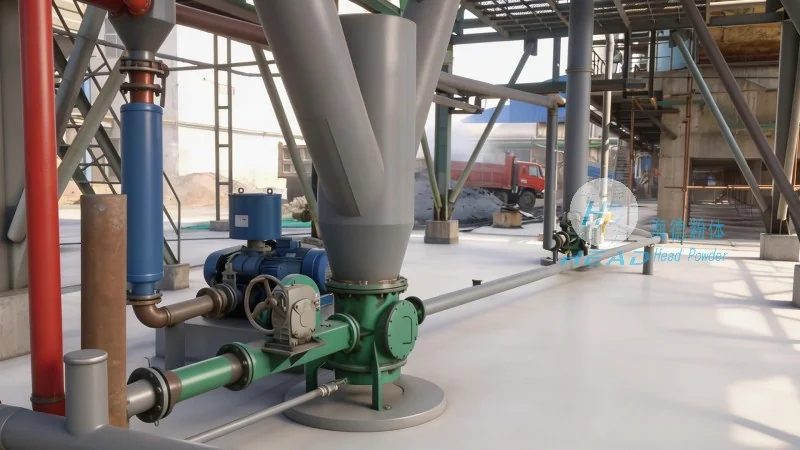
Before delving into specific delivery methods, it is important to understand the primary factors that influence the choice of a delivery system. These include the physical properties of the agent, such as viscosity, density, and corrosiveness, as well as the required flow rate, pressure, and distance over which the agent must be transported. The scale of the operation, whether it is a small-scale plant or a large industrial facility, also plays a significant role in determining the most suitable delivery approach. Additionally, safety and environmental considerations, including the need to prevent leaks and minimize exposure to hazardous materials, are paramount in the design of any delivery system.
Common Delivery Methods for Desulfurization and Denitrification Agents
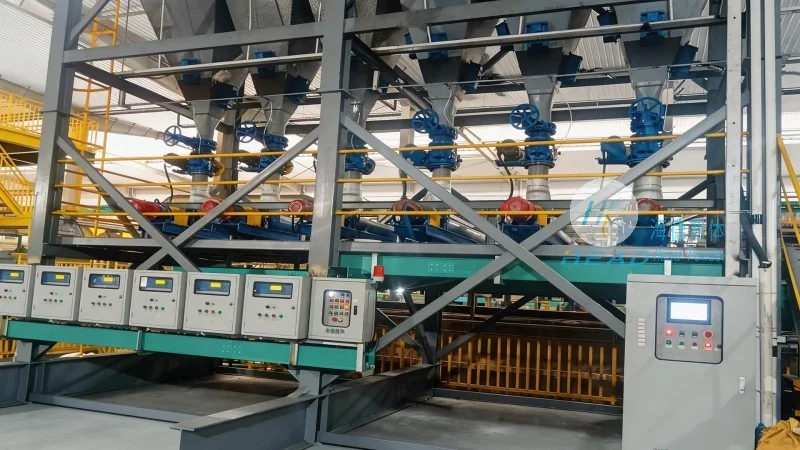
Several methods are commonly employed to transport desulfurization and denitrification agents from storage to the point of use. The most prevalent approach is the use of positive displacement pumps, which are ideal for handling viscous or shear-sensitive agents. These pumps, such as gear pumps or piston pumps, provide consistent flow rates and can operate under high pressure, ensuring reliable delivery even in challenging conditions. Another widely used method is the use of centrifugal pumps, which are suitable for less viscous agents and can handle larger volumes with lower energy consumption. For applications requiring high flow rates and minimal maintenance, diaphragm pumps are often preferred, as they can handle abrasive or corrosive agents without causing damage to the system.
Another common delivery method involves the use of pressure vessels and pipelines. In this approach, the agent is stored in a pressurized tank and then transferred through a network of pipes to the treatment equipment. This method is particularly effective for large-scale operations, as it allows for continuous and uninterrupted flow. The pipelines are typically made of corrosion-resistant materials, such as stainless steel or polyethylene, to ensure durability and prevent contamination. In some cases, the agent may be transported using tank trucks, which are equipped with specialized pumps and valves to facilitate safe and efficient loading and unloading. This method is often used for bulk deliveries or when the distance between the storage facility and the treatment plant is significant.
Advantages and Limitations of Each Delivery Method
Each delivery method has its own set of advantages and limitations, which must be carefully evaluated to select the most appropriate solution for a given application. Positive displacement pumps offer precise control over flow rates and pressure, making them suitable for applications requiring exact dosing. However, they may not be as efficient for handling large volumes and can be more prone to wear and tear over time. Centrifugal pumps, on the other hand, are more energy-efficient for high-volume applications but may not provide the same level of control as positive displacement pumps. Diaphragm pumps are versatile and can handle a wide range of agents, including those with high solids content, but they may have lower flow rates compared to other pump types. Pressure vessel and pipeline systems offer continuous operation and can handle large volumes, but they require careful maintenance to prevent leaks and ensure system integrity. Tank truck delivery is convenient for bulk transport but may be less flexible in terms of flow rate and may introduce additional handling steps that could increase the risk of contamination or spills.
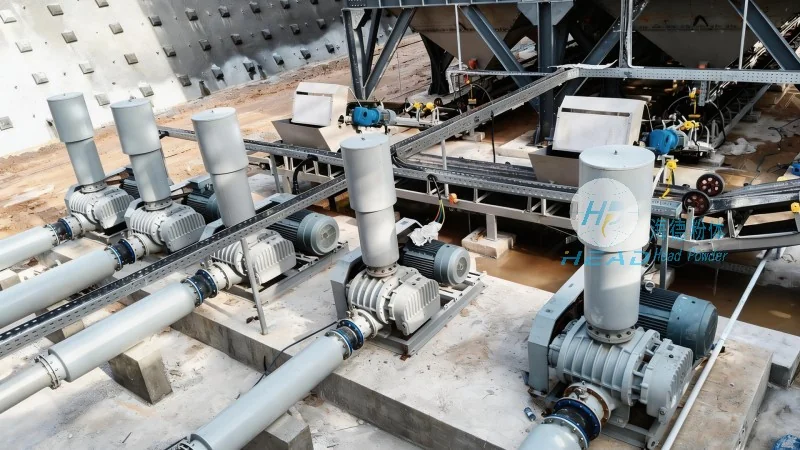
HeadPowder Engineering: Providing Comprehensive Delivery Solutions
Shandong HeadPowder Engineering Co., Ltd., a leading provider of industrial solutions, specializes in the design, manufacturing, and implementation of desulfurization and denitrification agent delivery systems. With years of experience in the industry, the company has developed a range of customized solutions tailored to meet the specific needs of its clients. HeadPowder's expertise lies in understanding the unique challenges of each application and selecting the most appropriate delivery method to ensure optimal performance and safety. The company's products and services include a variety of pumps, pipelines, and storage tanks, all designed to withstand the harsh conditions of industrial environments. HeadPowder's commitment to quality and innovation has earned it a reputation as a trusted partner in the air pollution control industry. Based in Shandong, China, the company serves clients both domestically and internationally, providing reliable and efficient delivery solutions for desulfurization and denitrification agents. By leveraging advanced technology and a deep understanding of the industry, HeadPowder continues to deliver high-quality products and services that meet the evolving needs of its customers.

 Công ty TNHH Kỹ thuật Công trình Bột Hải Đức Sơn Đông
 156-6277-7102(Quản lý Trương)
  0531-83386006
  Quận Chương Khâu, Thành phố Tế Nam, Tỉnh Sơn Đông, Trung Quốc
Điện thoại
WeChatTư vấn
Lên đầu