Công ty Hải Đức Bột với hơn 10 năm kinh nghiệm vận chuyển khí, cung cấp hệ thống‑thiết bị‑quạt gió và nhận dự án tổng thầu bột cả nước
When it comes to the transportation of Polyvinyl Butyral (PVB), also known as polyvinyl butyral, there are several common methods employed by industries to ensure efficient and safe handling of this important polymer. PVB is widely used in applications such as safety glass lamination, adhesives, and coatings, making its proper transportation crucial for maintaining product quality and integrity. The methods used for PVB transportation vary based on factors like the form of the material (liquid, solid pellets, or powder), the volume being transported, and the distance involved. Below are some of the most common approaches to PVB transportation, each with its own advantages and considerations.
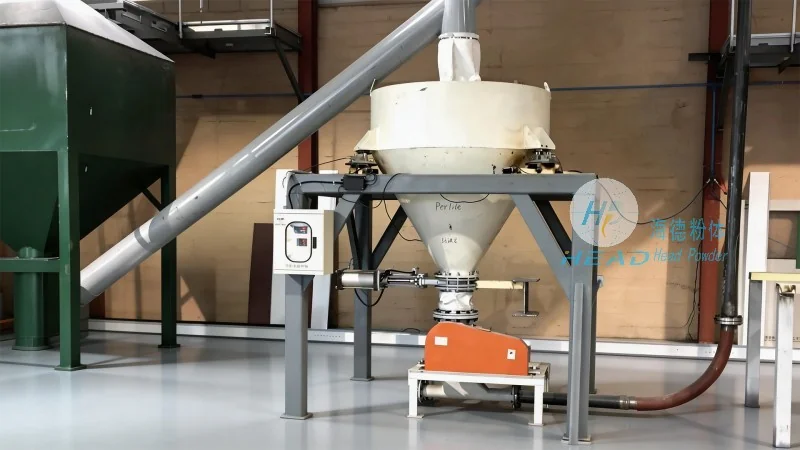
1. Bulk Tanker Transportation
Bulk tanker transportation is one of the most common methods for moving large quantities of PVB, especially in liquid form. Companies like Shandong HeadPowder Engineering Co., Ltd. utilize specialized tankers designed to handle the specific properties of PVB. These tankers are equipped with temperature control systems to maintain the optimal temperature of the PVB during transit, as temperature fluctuations can affect the material's viscosity and processing characteristics. The process typically involves loading the PVB into the tanker at the production facility, then transporting it to the customer or processing plant. HeadPowder, as a leading manufacturer, ensures that their bulk tanker shipments are managed with precision, adhering to strict quality control measures to prevent contamination or degradation of the PVB. This method is particularly effective for long-distance transportation and large-scale production needs, offering a reliable solution for industries that require consistent and high-quality PVB supply.
2. Bagged or Packed Solid Forms
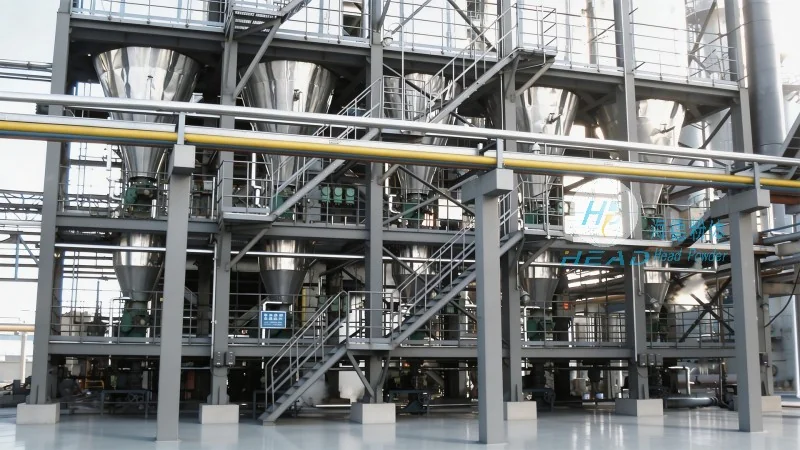
For PVB in solid form, such as pellets or granules, bagged or packed transportation is a widely used approach. This method involves packaging the PVB into sturdy bags or containers that are designed to protect the material from moisture, dust, and physical damage. The bags are often made of materials like polyethylene or other moisture-resistant polymers to maintain the integrity of the PVB. Companies like HeadPowder use high-quality packaging to ensure that the PVB remains in optimal condition during transportation. The solid forms are typically loaded into trucks or containers, which are then transported to the destination. This method is suitable for smaller to medium-sized shipments and is particularly useful when the PVB is being delivered to a facility where it will be further processed or used in manufacturing. The packaging also allows for easier handling and storage at the receiving end, as the bags can be stacked or stored in designated areas without the need for specialized equipment.
3. Containerized Transportation
Containerized transportation is another common method, especially for international or cross-regional shipments of PVB. This involves loading the PVB into standard shipping containers, which can be transported via trucks, trains, or ships. The containers are sealed and secured to prevent any damage or contamination during transit. For liquid PVB, specialized containers with temperature control features are used to maintain the material's properties. Companies like Shandong HeadPowder Engineering Co., Ltd. utilize containerized transportation to ensure that their PVB products reach global markets efficiently. This method offers flexibility in terms of transportation modes and can accommodate both liquid and solid forms of PVB. The use of containers also simplifies customs clearance and logistics, as standardized containers are widely accepted across different regions. HeadPowder ensures that all container shipments are handled with care, following international shipping standards to guarantee the safety and quality of the PVB throughout the journey.
4. Pipelines for Liquid PVB
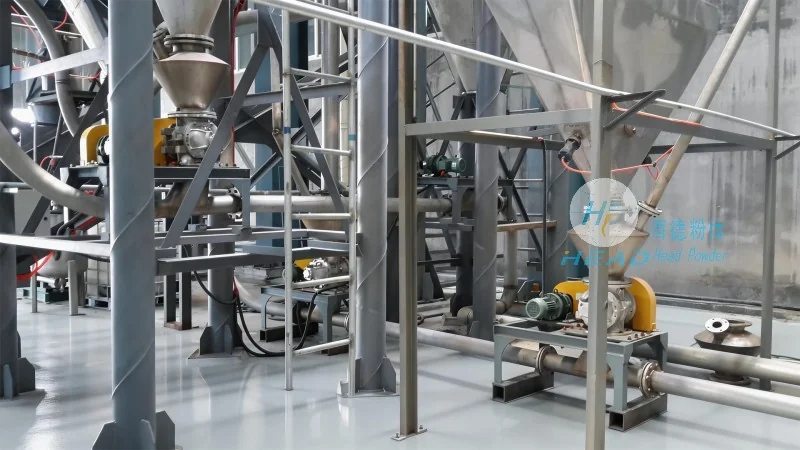
In some industrial settings, especially for large-scale production facilities, pipelines are used to transport liquid PVB within the plant or between different processing units. This method is highly efficient for internal transportation, as it eliminates the need for loading and unloading equipment and reduces the risk of spills or contamination. The pipelines are typically made of materials that are compatible with PVB, such as stainless steel or specialized plastics, to prevent chemical reactions or corrosion. The system is equipped with valves, pumps, and monitoring devices to control the flow of PVB and maintain consistent pressure and temperature. This internal transportation method is commonly used in manufacturing plants where PVB is produced and then used directly in subsequent processes, such as lamination or coating. By using pipelines, companies can streamline their production processes and improve overall efficiency, ensuring that the PVB is delivered to the required locations without any delays or quality issues.
5. Specialized Handling for PVB Pellets
For PVB in pellet form, specialized handling methods are often employed to ensure that the material is transported without breakage or loss. Pellets are small, solid particles that are produced through a granulation process and are commonly used in various applications. Companies like HeadPowder use bulk handling equipment, such as silos and conveyor systems, to transport PVB pellets from the production line to storage or shipping areas. These systems are designed to minimize the risk of pellet degradation, as the pellets can be easily damaged if handled roughly. The transportation process involves loading the pellets into trucks or containers using conveyor belts or other machinery, ensuring that the pellets remain intact and free from contamination. This method is particularly important for maintaining the uniformity of the PVB pellets, which is crucial for consistent performance in downstream applications. HeadPowder's specialized handling equipment ensures that the PVB pellets are transported with the highest level of care, meeting the quality standards required by their customers.

 Công ty TNHH Kỹ thuật Công trình Bột Hải Đức Sơn Đông
 156-6277-7102(Quản lý Trương)
  0531-83386006
  Quận Chương Khâu, Thành phố Tế Nam, Tỉnh Sơn Đông, Trung Quốc
Điện thoại
WeChatTư vấn
Lên đầu