Công ty Hải Đức Bột với hơn 10 năm kinh nghiệm vận chuyển khí, cung cấp hệ thống‑thiết bị‑quạt gió và nhận dự án tổng thầu bột cả nước
Biomass, a renewable energy source derived from organic materials such as wood chips, agricultural residues, and municipal solid waste, requires efficient transportation to support its use in power generation, biofuel production, and other industrial applications. The choice of transportation method depends on several factors, including the type of biomass, distance, volume, and the specific requirements of the end-user. Understanding the available options is crucial for optimizing logistics and ensuring cost-effective delivery.
1. Road Transportation

For short to medium distances, road transportation remains a common and flexible method for biomass delivery. Trucks, including specialized trailers designed for bulk materials, are widely used to transport biomass from collection sites to processing facilities or power plants. This method offers high maneuverability, allowing access to remote or non-urban areas where rail or water transport may not be feasible. However, road transport may face challenges such as traffic congestion, road conditions, and the need for proper loading and unloading equipment to prevent material spillage or degradation.
2. Railway Transportation
For longer distances and larger volumes, railway transport provides a more cost-effective and environmentally friendly option compared to road transport. Specialized railcars, often equipped with bulk loading systems, can carry significant quantities of biomass, reducing the number of trips required and minimizing carbon emissions. This method is particularly suitable for transporting biomass from rural or remote regions to urban processing centers or industrial sites. The use of rail also helps in reducing road traffic and associated congestion, making it a preferred choice for large-scale biomass projects.
3. Waterway Transportation
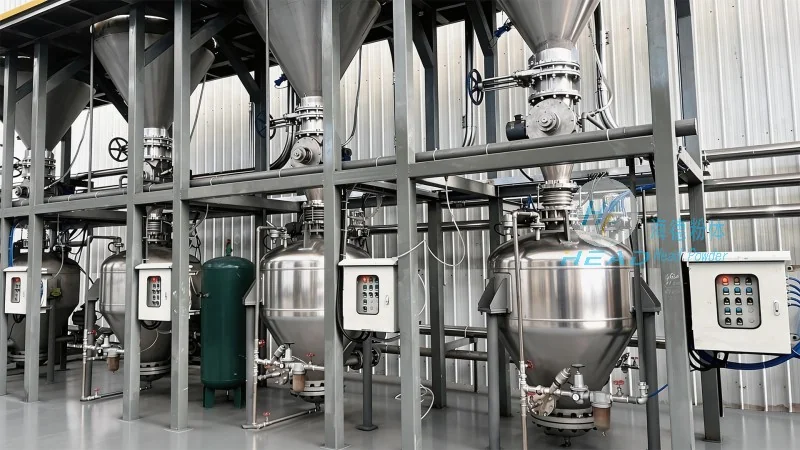
For bulk biomass shipments over long distances, waterway transport, including barges and ships, is the most economical option. This method is ideal for transporting large volumes of biomass, such as wood chips or agricultural residues, from ports or riverine areas to distant destinations. The use of water transport significantly reduces transportation costs per ton-mile, making it attractive for large-scale biomass projects. However, the availability of suitable ports, navigable waterways, and the need for proper handling equipment at loading and unloading points are critical factors to consider. Additionally, the time required for loading and unloading can affect overall logistics efficiency.
4. Pipeline Transportation (for Liquid or Pelletized Biomass)
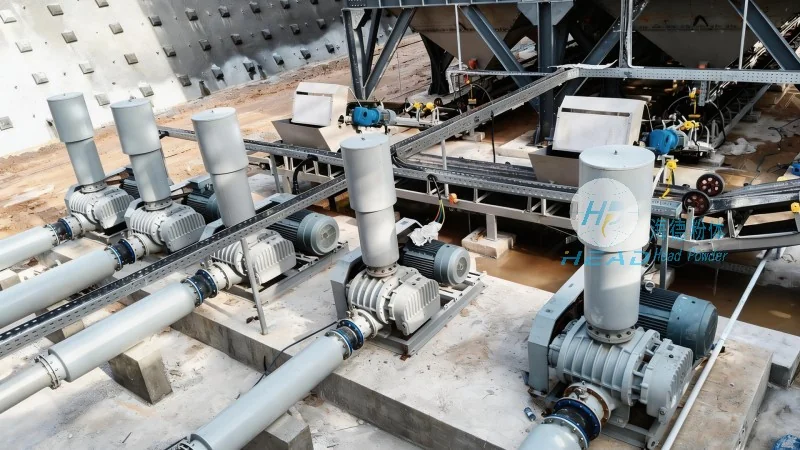
While less common for raw biomass, pipeline transport is applicable for liquid biomass fuels, such as bio-oil or biomass-derived liquids, or for pelletized biomass. This method offers a continuous and automated delivery system, reducing labor costs and minimizing material loss. Pipelines can be used to transport biomass from processing facilities to end-users, ensuring a steady supply. However, the initial investment for pipeline construction is high, and the method is limited to specific types of biomass and geographic conditions.
Factors Influencing the Choice of Biomass Transportation Method
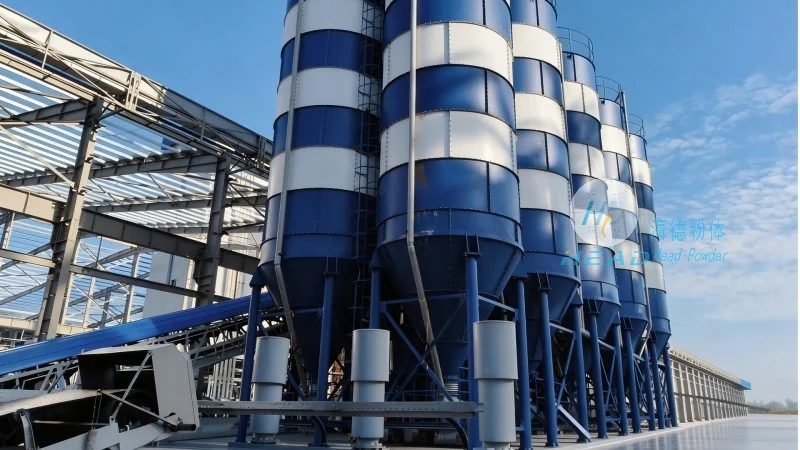
The selection of the most appropriate biomass transportation method involves evaluating several key factors. The type of biomass being transported is a primary consideration, as different materials have varying physical properties, such as density, moisture content, and bulkiness. For example, wood chips are more suitable for road or rail transport due to their size and weight, while pellets may be better suited for rail or water transport. The distance between the source and the destination is another critical factor, as longer distances often favor rail or water transport due to lower per-unit costs. The volume of biomass to be transported also plays a role, with larger volumes benefiting from rail or water transport. Additionally, the end-user's requirements, such as the need for timely delivery or specific handling conditions, must be considered when choosing a transportation method.
About Shandong HeadPowder Engineering Co., Ltd.
Shandong HeadPowder Engineering Co., Ltd., commonly known as headpowder, is a leading provider of engineering solutions for biomass processing and transportation. With a focus on innovation and efficiency, the company specializes in designing and implementing systems that optimize biomass logistics. Headpowder's expertise includes the development of specialized equipment for biomass handling, storage, and transportation, ensuring that clients can achieve cost-effective and sustainable delivery of biomass materials. The company's commitment to quality and customer satisfaction has made it a trusted partner in the renewable energy sector, supporting projects across China and beyond.

 Công ty TNHH Kỹ thuật Công trình Bột Hải Đức Sơn Đông
 156-6277-7102(Quản lý Trương)
  0531-83386006
  Quận Chương Khâu, Thành phố Tế Nam, Tỉnh Sơn Đông, Trung Quốc
Điện thoại
WeChatTư vấn
Lên đầu