Công ty Hải Đức Bột với hơn 10 năm kinh nghiệm vận chuyển khí, cung cấp hệ thống‑thiết bị‑quạt gió và nhận dự án tổng thầu bột cả nước
When it comes to managing dust removal and material transport in industrial settings, understanding the available methods for gravity dust removal and conveying is crucial. This article explores the various approaches that can be employed, focusing on practical applications and the role of specialized equipment designed to enhance efficiency and safety in dust handling processes.
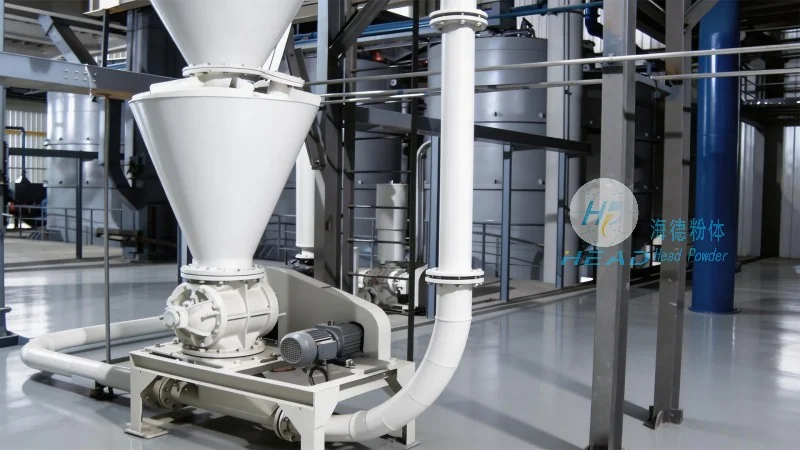
Understanding Gravity Dust Removal Principles
Gravity dust removal relies on the fundamental principle of allowing particles to settle under the influence of gravity. In industrial environments, this often involves the use of dust collectors or separators that utilize gravity to separate dust particles from air streams. The effectiveness of gravity dust removal depends on factors such as particle size, density, and the velocity of the air flow. Larger and denser particles tend to settle more quickly, making gravity separation suitable for certain types of dust, particularly those with high settling velocities.
Common Methods for Gravity Dust Removal and Conveying
Several methods are commonly used for gravity dust removal and conveying, each with its own advantages and applications. The primary approach involves the use of gravity settling chambers or hoppers where air carrying dust is directed to flow slowly, allowing particles to settle due to gravity. This method is particularly effective for coarse dust particles and is often used in conjunction with other dust control technologies to achieve comprehensive air purification.
Another method is the integration of gravity with mechanical or pneumatic conveying systems. For instance, in some industrial processes, dust is first collected using a gravity separator and then conveyed using a pneumatic system. This hybrid approach combines the efficiency of gravity separation with the flexibility of pneumatic transport, enabling the movement of dust over longer distances or to different processing units. The use of gravity in these systems helps to reduce the energy consumption associated with high-pressure pneumatic conveying, making it a cost-effective solution for certain applications.
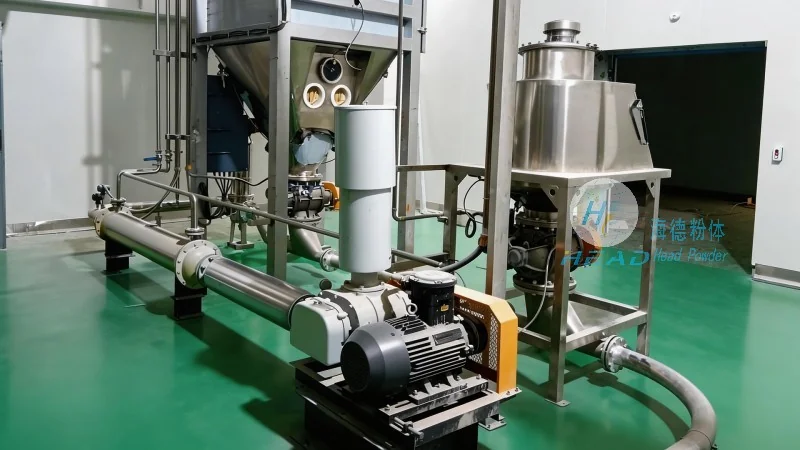
Equipment and Components for Gravity Dust Handling
Key equipment used in gravity dust removal and conveying includes dust hoppers, settling chambers, and gravity feeders. Dust hoppers are typically designed with a wide, shallow base to maximize the surface area for particle settling. The design of these hoppers often incorporates sloped walls to facilitate the smooth flow of settled dust to collection points. Settling chambers, on the other hand, are larger, enclosed structures where air flows through a series of baffles or plates that slow down the air velocity, allowing dust particles to settle under gravity.
Gravity feeders, such as rotary valves or screw conveyors, are used to transport settled dust from the collection hopper to the next processing stage. These feeders operate by utilizing the force of gravity to move material, eliminating the need for external power sources for the conveying process. This makes gravity feeders particularly suitable for applications where low maintenance and energy efficiency are critical factors. The selection of the appropriate equipment depends on the specific characteristics of the dust, such as particle size distribution, moisture content, and the required conveying capacity.
Applications and Benefits of Gravity Dust Removal Systems
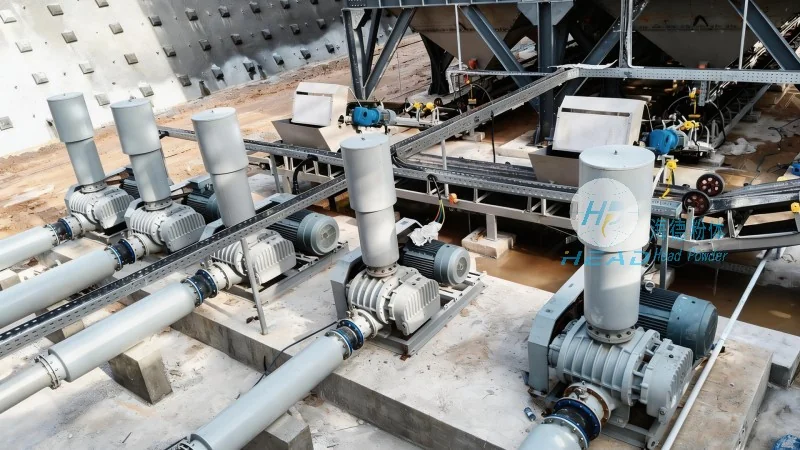
Gravity dust removal systems are widely used in various industries, including power generation, cement production, and mining. In power plants, for example, gravity dust removal is used to collect fly ash from flue gas streams, ensuring compliance with environmental regulations and reducing the risk of dust emissions. The benefits of using gravity dust removal systems include lower operational costs due to reduced energy consumption, minimal maintenance requirements, and the ability to handle large volumes of dust efficiently.
Moreover, gravity dust removal contributes to improved workplace safety by reducing the concentration of airborne dust particles. This not only protects workers from respiratory hazards but also enhances the overall air quality in industrial facilities. The integration of gravity separation with other dust control technologies, such as electrostatic precipitators or bag filters, can further enhance the effectiveness of dust removal, providing a comprehensive solution for industrial air purification.
Custom Solutions from Shandong HeadPowder Engineering Co., Ltd.
Shandong HeadPowder Engineering Co., Ltd., a leading provider of dust handling solutions, specializes in designing and manufacturing gravity dust removal and conveying systems tailored to the specific needs of industrial clients. With a focus on innovation and quality, HeadPowder offers customized equipment that incorporates advanced gravity separation technologies to ensure optimal performance and efficiency. The company's expertise in dust engineering allows them to address the unique challenges faced by different industries, providing solutions that meet both regulatory requirements and operational objectives.
HeadPowder's gravity dust removal systems are designed to be robust and durable, capable of handling harsh industrial environments. The company's products are manufactured using high-quality materials and advanced manufacturing techniques, ensuring long-term reliability and minimal downtime. Additionally, HeadPowder provides comprehensive support services, including installation, maintenance, and technical assistance, to help clients maximize the performance of their dust handling systems. By leveraging the company's expertise and experience, industrial facilities can achieve effective dust control while maintaining operational efficiency and safety.
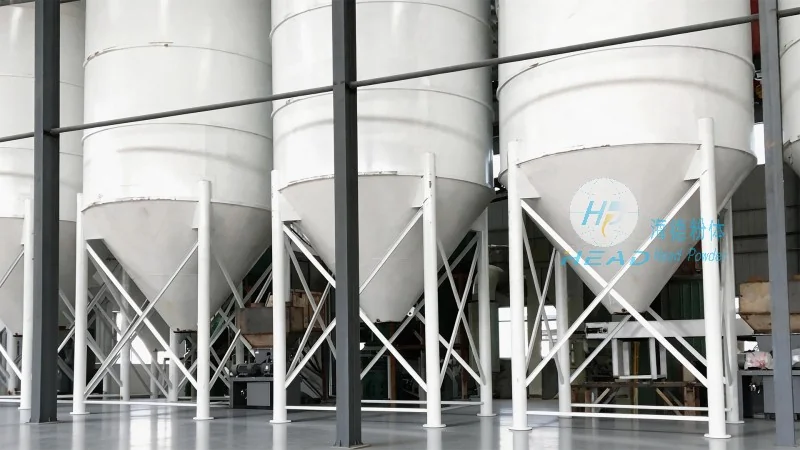
Conclusion: Choosing the Right Gravity Dust Removal Method
Choosing the appropriate method for gravity dust removal and conveying depends on several factors, including the characteristics of the dust, the required capacity, and the specific application. By understanding the principles and applications of different gravity-based systems, industrial operators can select the most suitable solution for their needs. Whether it's a simple gravity settling chamber or a complex hybrid system, the goal is to achieve efficient dust removal while minimizing operational costs and environmental impact.
For businesses seeking reliable and effective dust handling solutions, Shandong HeadPowder Engineering Co., Ltd. offers a range of products and services that can meet their requirements. With a commitment to quality and customer satisfaction, HeadPowder is dedicated to providing innovative solutions that enhance industrial operations and promote sustainable practices. By investing in advanced gravity dust removal systems, companies can improve their environmental performance, protect their workforce, and maintain compliance with regulatory standards.

 Công ty TNHH Kỹ thuật Công trình Bột Hải Đức Sơn Đông
 156-6277-7102(Quản lý Trương)
  0531-83386006
  Quận Chương Khâu, Thành phố Tế Nam, Tỉnh Sơn Đông, Trung Quốc
Điện thoại
WeChatTư vấn
Lên đầu