Công ty Hải Đức Bột với hơn 10 năm kinh nghiệm vận chuyển khí, cung cấp hệ thống‑thiết bị‑quạt gió và nhận dự án tổng thầu bột cả nước
Efficient malt spent grain handling is a critical aspect of modern brewing operations, as the proper conveyance of spent grain from the mashing and lautering stages directly impacts process efficiency, product quality, and overall operational costs. Among the various methods employed for this task, several conventional approaches have been widely adopted across the industry. This article provides a detailed comparison of common malt spent grain conveying methods, focusing on their operational principles, advantages, and practical applications.
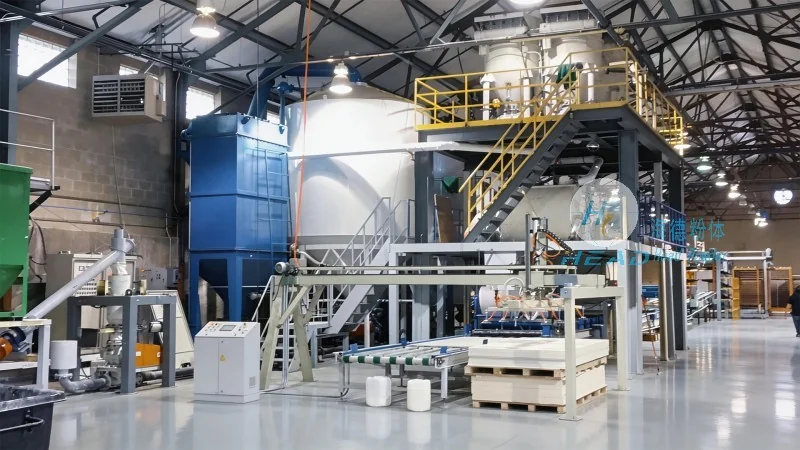
Overview of Malt Spent Grain Conveying
Malt spent grain, also known as spent grain or grain husks, consists of the insoluble components of malt that remain after the extraction of sugars during the brewing process. These materials are typically high in fiber and protein and require effective removal and transport to downstream processing or disposal facilities. The choice of conveying method depends on factors such as the volume of spent grain, the distance to be covered, the required speed of transport, and the specific characteristics of the grain (e.g., moisture content, bulk density). Common conveying methods include screw conveyors, belt conveyors, pneumatic conveyors, and hydraulic systems. Each method has distinct advantages and limitations that make it suitable for different brewing plant configurations and operational needs.
Screw Conveyors for Malt Spent Grain Transport
Screw conveyors, also known as auger conveyors, are one of the most widely used equipment for transporting malt spent grain. These systems consist of a rotating helical screw blade enclosed within a U-shaped or tubular housing. The screw rotates, pushing the material forward along the conveyor path. For malt spent grain, screw conveyors are particularly effective due to their ability to handle dry or semi-dry materials with minimal segregation. They are often used for short to medium-distance transport within the brewery, such as moving spent grain from the lauter tun to a storage silo or to a drying facility. The design of the screw (e.g., pitch, diameter) can be adjusted to optimize the conveying capacity and reduce the risk of clogging, which is a common issue with fibrous materials like spent grain. Screw conveyors are generally low-cost, easy to install, and require minimal maintenance, making them a popular choice for many breweries. However, they may not be suitable for very long distances or when high-speed transport is required, as the material can experience friction and heat buildup, potentially affecting the grain's quality.
Belt Conveyors in Malt Spent Grain Handling
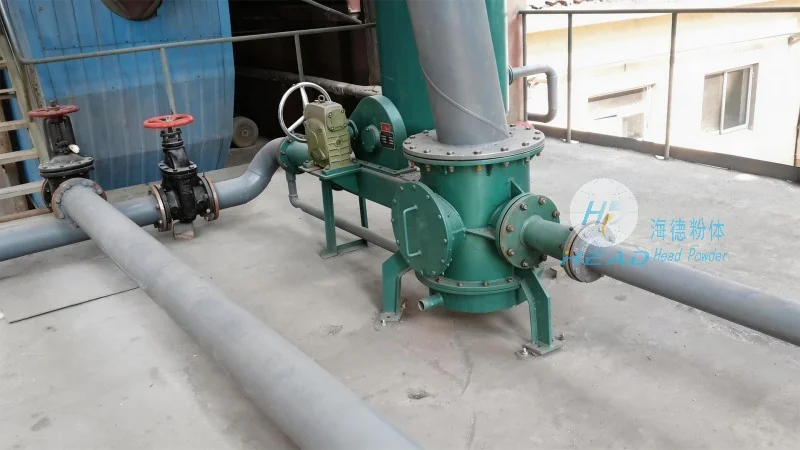
Belt conveyors are another common option for malt spent grain transport, especially for longer distances or when a continuous, high-volume flow is needed. These systems utilize a continuous belt (typically made of rubber or synthetic materials) that moves over rollers or a flat surface, carrying the spent grain from one location to another. Belt conveyors can handle a wide range of material types and sizes, including wet or dry spent grain, and are capable of transporting materials over longer distances compared to screw conveyors. They are often used in combination with other equipment, such as elevators or transfer points, to create a comprehensive conveying system. The key advantage of belt conveyors is their ability to maintain a consistent flow rate and handle large volumes of material without significant pressure drops. However, they require more space and may be more expensive to install and maintain than screw conveyors. Additionally, belt conveyors can be susceptible to material buildup or slip if the belt is not properly tensioned or if the material is too heavy or sticky.
Pneumatic Conveying Systems for Malt Spent Grain
Pneumatic conveying systems use air or other gases to transport malt spent grain through a network of pipes or ducts. These systems can be classified as either pressure or vacuum types, depending on the method of material transport. In pressure systems, air is forced through the pipe, pushing the material forward, while in vacuum systems, air is drawn through the pipe, pulling the material. Pneumatic conveyors are particularly effective for handling fine or powdery materials, but they can also be adapted for larger, bulkier spent grain particles. The primary advantage of pneumatic systems is their ability to transport materials over long distances with minimal maintenance and without the need for multiple transfer points. They are also suitable for applications where the material needs to be transported through vertical or horizontal changes in elevation. However, pneumatic conveying can be less efficient for very high-volume applications due to the energy required to move the material through the air, and the system may be more complex to design and install compared to mechanical conveyors. Additionally, the material can be subject to abrasion or degradation if the air velocity is too high or if the pipe is not properly lined.
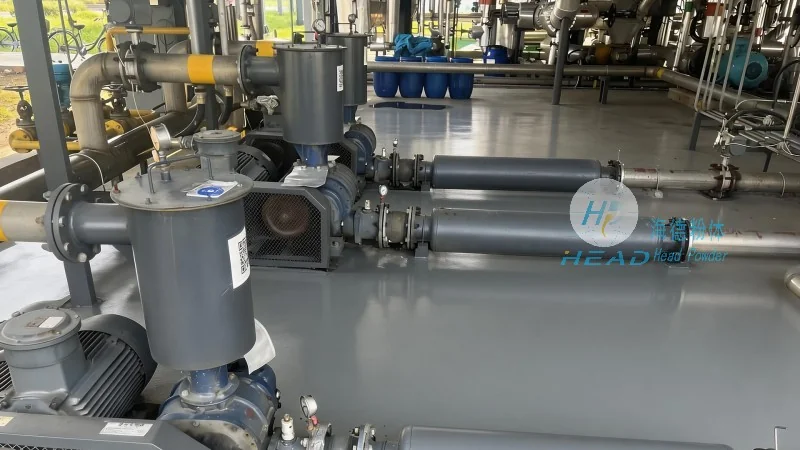
Hydraulic Conveying for Malt Spent Grain Management
Hydraulic conveyors use water or other liquids to transport malt spent grain through a system of pipes or hoses. The spent grain is mixed with water to form a slurry, which is then pumped through the system to the desired location. This method is particularly effective for handling wet or high-moisture spent grain, as the slurry can be pumped over long distances with relatively low energy consumption. Hydraulic systems are often used in combination with other equipment, such as pumps and filters, to manage the spent grain slurry. The main advantage of hydraulic conveying is its ability to handle very high volumes of material and to transport it over long distances with minimal friction. However, the system requires a significant amount of water, which can increase operational costs and may require additional treatment to manage the wastewater. Additionally, hydraulic systems can be more complex to maintain due to the need for pumps, valves, and filtration equipment, and they may not be suitable for applications where the spent grain is too dry or fibrous.
Factors to Consider When Choosing a Conveying Method
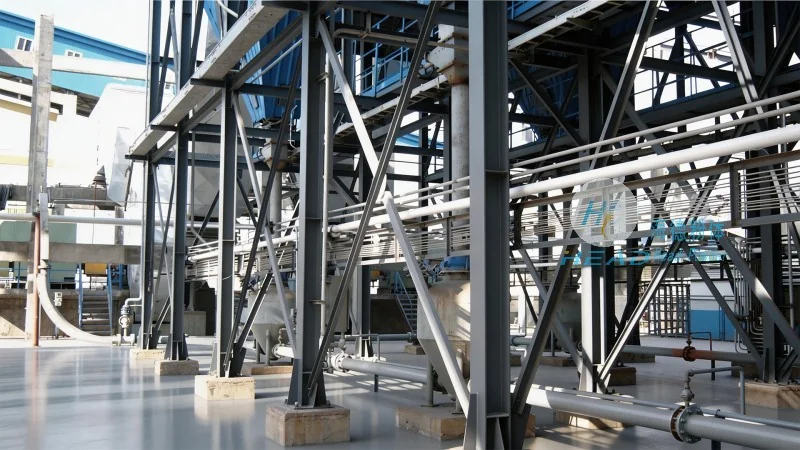
When selecting a malt spent grain conveying method, several factors must be carefully evaluated to ensure optimal performance and cost-effectiveness. The first consideration is the volume and characteristics of the spent grain, including its moisture content, bulk density, and particle size. These factors will determine the required conveying capacity and the type of equipment that can handle the material without clogging or degradation. The second factor is the distance and elevation changes between the source and destination of the spent grain. Short distances may be suitable for screw or belt conveyors, while longer distances may require pneumatic or hydraulic systems. The third factor is the operational speed and flow rate required, as some processes may demand continuous, high-volume transport, while others may allow for intermittent or lower-speed transport. The fourth factor is the cost of installation, operation, and maintenance, as different conveying methods have varying capital and operational expenses. Finally, the space available in the brewery and the overall layout of the facility will also influence the choice of conveying method, as some systems require more floor space or vertical clearance than others.
Conclusion
In conclusion, the choice of malt spent grain conveying method depends on a combination of operational, technical, and economic factors. Screw conveyors offer a cost-effective solution for short to medium-distance transport of dry or semi-dry spent grain, while belt conveyors are suitable for longer distances and high-volume applications. Pneumatic systems provide flexibility for long-distance transport and vertical changes in elevation, but may require more energy and maintenance. Hydraulic conveyors are effective for handling wet or high-moisture spent grain over long distances, but may increase water usage and maintenance costs. By carefully evaluating the specific needs of the brewing operation, including the volume, characteristics, and transport requirements of the spent grain, breweries can select the most appropriate conveying method to optimize process efficiency, reduce operational costs, and ensure consistent product quality. The Shandong HeadPowder Engineering Co., Ltd. specializes in providing tailored conveying solutions for malt spent grain and other brewing materials, helping breweries to enhance their operational performance and achieve their production goals.

 Công ty TNHH Kỹ thuật Công trình Bột Hải Đức Sơn Đông
 156-6277-7102(Quản lý Trương)
  0531-83386006
  Quận Chương Khâu, Thành phố Tế Nam, Tỉnh Sơn Đông, Trung Quốc
Điện thoại
WeChatTư vấn
Lên đầu