Công ty Hải Đức Bột với hơn 10 năm kinh nghiệm vận chuyển khí, cung cấp hệ thống‑thiết bị‑quạt gió và nhận dự án tổng thầu bột cả nước
Wheat bran, a byproduct of the milling process, is a vital ingredient in the production of various food products and industrial applications. Its efficient and reliable handling is essential for maintaining product quality, reducing operational costs, and ensuring smooth workflow in processing facilities. This article provides a comprehensive comparison of common wheat bran conveying methods, examining their technical aspects, advantages, and limitations. The insights are presented by Shandong HeadPowder Engineering Co., Ltd., a leading engineering company specializing in bulk material handling solutions, headquartered in Shandong, China.
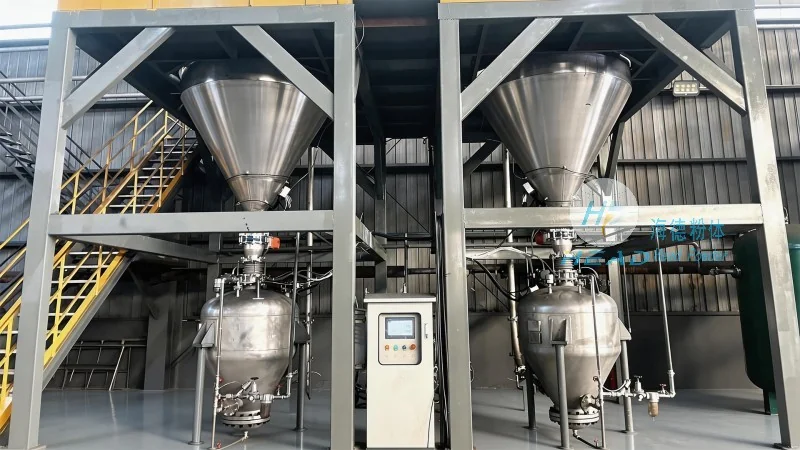
Introduction to Wheat Bran Conveying Challenges
Wheat bran is a fine, dry material with specific physical properties that influence its handling. It has a relatively low bulk density, which can lead to segregation and uneven flow. Additionally, bran is prone to generating static electricity, which may cause dust accumulation and affect material movement. The conveying system must address these challenges to prevent material degradation, equipment damage, and safety hazards. The selection of a conveying method depends on several factors, including the distance between the source and destination, the volume of bran to be transported, the required speed of transfer, and the budget constraints of the operation.
1. Gravity Conveying Systems
Gravity conveying systems rely on the natural force of gravity to move wheat bran from one location to another. These systems typically consist of inclined chutes or hoppers that allow the material to flow downward without the need for external power. The primary advantage of gravity conveyors is their low energy consumption and minimal maintenance requirements. They are particularly suitable for short distances, typically up to 30 meters, and for handling moderate volumes of bran. However, their effectiveness is limited by the angle of the chute and the material's flowability. If the bran is too fine or has poor flow characteristics, it may not move efficiently, leading to blockages or uneven discharge. Shandong HeadPowder Engineering Co., Ltd. designs gravity conveyor systems with optimized chute angles and smooth surfaces to ensure consistent and reliable bran transport, minimizing the risk of material buildup and ensuring smooth operation.
2. Mechanical Conveying Systems
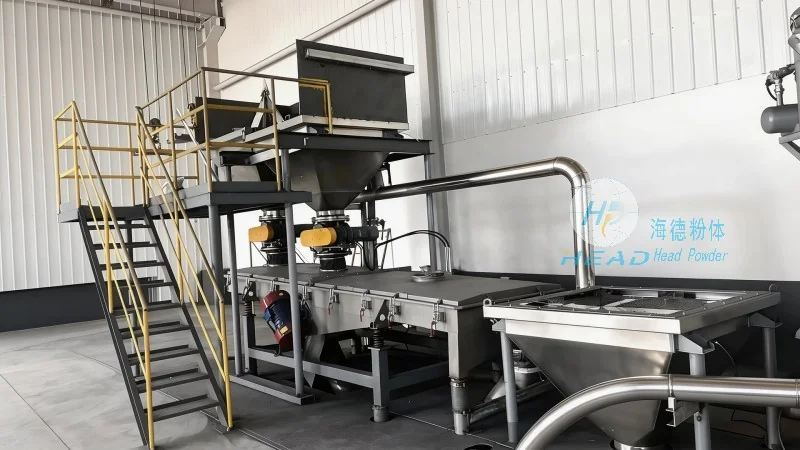
Mechanical conveying systems utilize mechanical components to transport wheat bran. The two most common types are belt conveyors and screw (auger) conveyors. Belt conveyors employ a continuous belt that moves the material horizontally or at a slight incline. They are ideal for moderate to high volumes and can handle a wide range of materials, including wheat bran. The design of the belt (e.g., flat or troughed) and the speed of the conveyor can be adjusted to control the flow rate and prevent material spillage. Screw conveyors, on the other hand, use a rotating screw to push the material forward. These systems are particularly effective for vertical or inclined transport and can handle materials with varying moisture content. The screw's pitch and diameter are critical factors that determine the conveying capacity and the risk of material degradation. Mechanical conveyors offer better control over the conveying speed and direction compared to gravity systems. However, they require regular maintenance, such as belt tension adjustments, screw cleaning, and bearing lubrication, to prevent wear and ensure long-term performance. Shandong HeadPowder Engineering Co., Ltd. manufactures high-quality mechanical conveying equipment tailored to the specific needs of wheat bran processing, ensuring durability and efficient operation.
3. Pneumatic Conveying Systems
Pneumatic conveying systems use air or other gases to transport wheat bran through a pipeline. These systems can be classified as pressure or vacuum systems. Pressure systems force air into a hopper, creating a pressure differential that moves the material forward. Vacuum systems, conversely, create a negative pressure in the pipeline, drawing the material from the source. Pneumatic conveying offers several advantages, including the ability to transport materials over long distances (up to several hundred meters), vertical and horizontal transport, and the option to handle materials with high moisture content or dust. The system can also be designed to handle bran with a high degree of cleanliness, as the material is contained within the pipeline. However, pneumatic systems require higher energy consumption and may cause material degradation if the system is not properly designed, as the material is exposed to high-velocity air for extended periods. The choice between pressure and vacuum systems depends on the specific application and the distance to be covered. Shandong HeadPowder Engineering Co., Ltd. provides advanced pneumatic conveying solutions that optimize energy efficiency and material handling for wheat bran processing, using high-quality materials and efficient air management to minimize wear and ensure consistent performance.
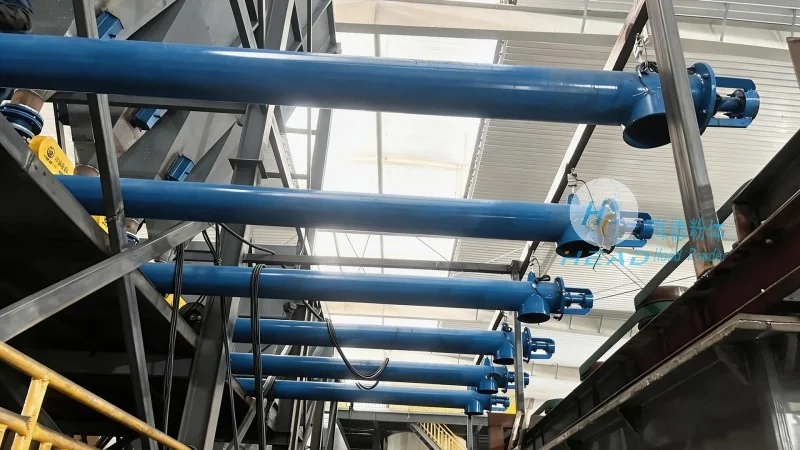
4. Comparative Analysis of Conveying Methods
When selecting a wheat bran conveying method, it is crucial to evaluate the trade-offs between cost, efficiency, and operational requirements. Gravity systems are cost-effective for short distances but are limited in their application due to the material's flow characteristics. Mechanical systems offer better control and are suitable for moderate volumes but require more maintenance. Pneumatic systems are versatile and can handle long distances but are more energy-intensive. The choice of system should align with the processing plant's layout, the volume of wheat bran to be handled, and the budget available. Shandong HeadPowder Engineering Co., Ltd. assists clients in conducting a thorough analysis of these factors and recommending the most suitable conveying solution for their specific needs. The company's engineering expertise ensures that the selected system maximizes efficiency, minimizes downtime, and maintains the quality of the wheat bran throughout the conveying process.
Conclusion
Efficient wheat bran conveying is a critical component of modern processing operations, directly impacting product quality and operational costs. By understanding the characteristics of different conveying methods and their suitability for specific applications, processing facilities can select the most appropriate system. Shandong HeadPowder Engineering Co., Ltd., with its extensive experience in bulk material handling, provides tailored solutions that address the unique challenges of wheat bran conveying. Based in Shandong, China, the company leverages advanced technology and engineering to deliver high-quality conveying systems that ensure reliable and sustainable material transport. Their commitment to quality and customer satisfaction makes them a trusted partner for processing facilities seeking to optimize their wheat bran handling processes.

 Công ty TNHH Kỹ thuật Công trình Bột Hải Đức Sơn Đông
 156-6277-7102(Quản lý Trương)
  0531-83386006
  Quận Chương Khâu, Thành phố Tế Nam, Tỉnh Sơn Đông, Trung Quốc
Điện thoại
WeChatTư vấn
Lên đầu