Công ty Hải Đức Bột với hơn 10 năm kinh nghiệm vận chuyển khí, cung cấp hệ thống‑thiết bị‑quạt gió và nhận dự án tổng thầu bột cả nước
When it comes to the efficient and reliable transportation of purified ash, selecting the right conveying method is crucial for industrial operations. The choice of conveying system directly impacts operational efficiency, cost-effectiveness, and environmental compliance. In this article, we will explore the most common methods used for purified ash conveyance, comparing their advantages, limitations, and suitability for different industrial applications. The company, Shandong HeadPowder Engineering Co., Ltd., specializes in providing advanced solutions for ash handling and conveying systems, with a focus on optimizing performance and ensuring safety in industrial settings.
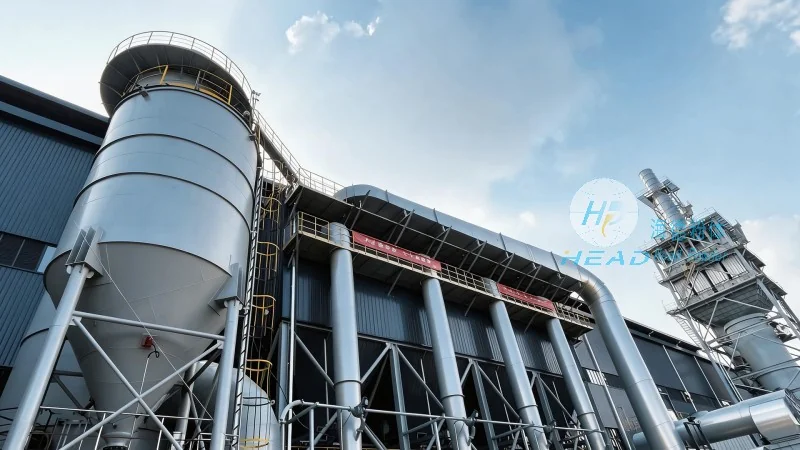
1. Pneumatic Conveying Systems
Pneumatic conveying, also known as air-pneumatic transport, is a widely used method for transporting purified ash. This system utilizes compressed air or gas to move the material through a pipeline. There are two main types: dilute-phase and dense-phase pneumatic conveying. Dilute-phase systems are suitable for low to medium ash loads, where the material is suspended in the air stream, while dense-phase systems are used for higher loads, where the material is pushed through the pipeline in a more compact form. The advantages of pneumatic conveying include high capacity, flexibility in layout, and the ability to transport ash over long distances without the need for multiple transfer points. However, it requires a significant amount of energy for air compression and may not be suitable for abrasive or sticky ash materials. Shandong HeadPowder Engineering Co., Ltd. offers customized pneumatic conveying solutions tailored to specific ash characteristics and operational requirements.
2. Screw Conveyors
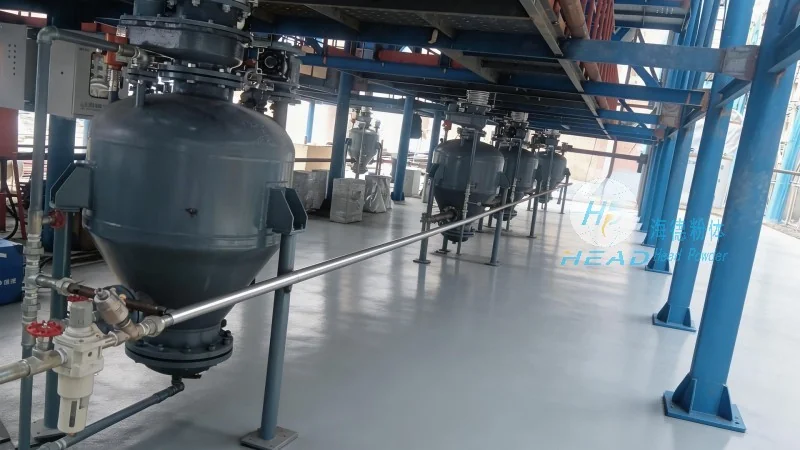
Screw conveyors, also known as auger conveyors, are another common method for transporting purified ash. These systems consist of a rotating screw (auger) inside a trough or tube, which moves the material forward. Screw conveyors are particularly effective for handling dry, free-flowing ash with low to moderate moisture content. They are simple in design, requiring minimal maintenance, and can operate in vertical or horizontal configurations. The main advantages include low cost, compact size, and the ability to handle abrasive materials without significant wear. However, screw conveyors have limitations in terms of capacity and are not suitable for very high ash loads or sticky materials that may cause blockages. The company provides screw conveyor systems designed with durable materials to withstand the harsh conditions of ash handling.
3. Belt Conveyors
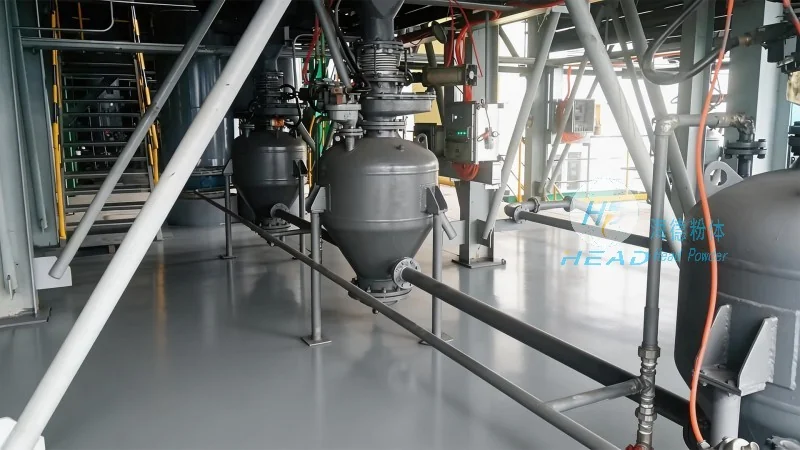
Belt conveyors are widely used in bulk material handling, including purified ash. These systems use a continuous belt that moves over rollers to transport the material. Belt conveyors are ideal for long-distance transportation and high-volume applications. They can handle a wide range of ash types, including those with high moisture content or abrasive properties. The advantages include high capacity, low energy consumption per tonne, and the ability to operate in various environmental conditions. However, belt conveyors require regular maintenance, especially for the belt and rollers, and may not be suitable for vertical lifts or tight layouts. Shandong HeadPowder Engineering Co., Ltd. manufactures belt conveyor systems with reinforced belts and robust drive mechanisms to ensure reliable operation in demanding ash handling environments.
4. Comparative Analysis and Selection Criteria
When selecting a purified ash conveying method, several factors need to be considered, including the ash characteristics (such as particle size, moisture content, and abrasiveness), the required capacity, the distance to be covered, and the available space. Pneumatic conveying is often preferred for long-distance or complex layouts, while screw and belt conveyors are more suitable for shorter distances or where space is limited. The choice also depends on the cost of installation and operation, as well as the maintenance requirements. For example, if the ash is highly abrasive and sticky, a screw conveyor with special coatings may be more appropriate, whereas for dry ash with low moisture, a belt conveyor might be more cost-effective. Shandong HeadPowder Engineering Co., Ltd. assists clients in evaluating these factors and recommending the most suitable conveying system to meet their specific needs.
Conclusion
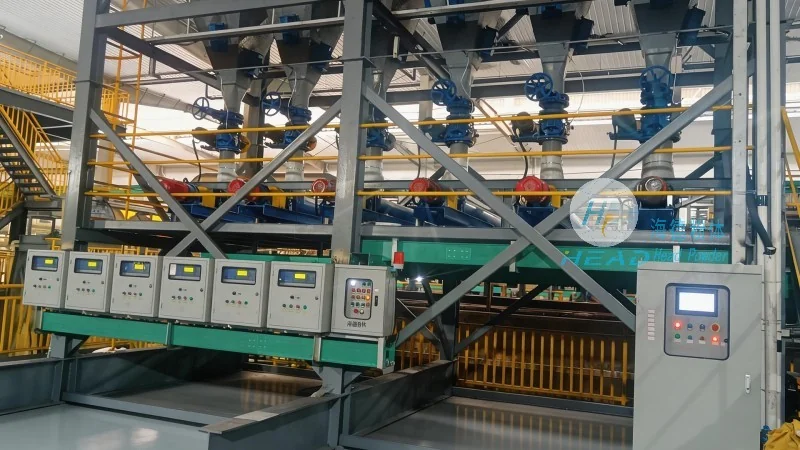
In conclusion, the selection of a purified ash conveying method is a critical decision that impacts the overall efficiency and sustainability of industrial operations. By understanding the characteristics of different conveying systems and considering the specific requirements of the ash handling process, companies can choose the most effective solution. Shandong HeadPowder Engineering Co., Ltd., with its expertise in ash handling technology, provides comprehensive solutions that optimize performance, reduce operational costs, and ensure compliance with environmental regulations. Whether it's pneumatic, screw, or belt conveyors, the company's customized systems are designed to meet the unique challenges of purified ash transportation, ensuring reliable and efficient operation in various industrial applications.

 Công ty TNHH Kỹ thuật Công trình Bột Hải Đức Sơn Đông
 156-6277-7102(Quản lý Trương)
  0531-83386006
  Quận Chương Khâu, Thành phố Tế Nam, Tỉnh Sơn Đông, Trung Quốc
Điện thoại
WeChatTư vấn
Lên đầu