Công ty Hải Đức Bột với hơn 10 năm kinh nghiệm vận chuyển khí, cung cấp hệ thống‑thiết bị‑quạt gió và nhận dự án tổng thầu bột cả nước
Millet, a staple grain widely used in various food products and industrial applications, requires efficient and reliable conveying systems to ensure smooth material handling. Shandong HeadPowder Engineering Co., Ltd., a leading manufacturer based in China, specializes in providing tailored conveying solutions for different millet processing needs. This article provides a detailed comparison of common millet conveying methods, highlighting their advantages and disadvantages to help businesses choose the most suitable option for their operations.
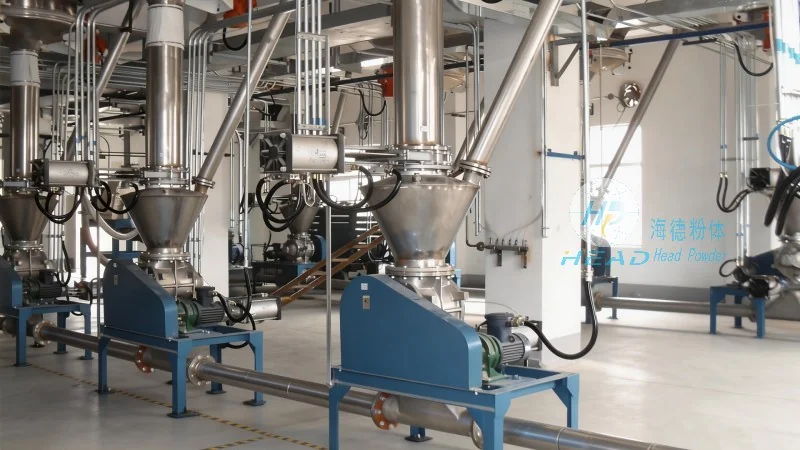
1. Screw Conveyors (Auger Conveyors)
Screw conveyors are one of the most widely used millet conveying methods due to their simplicity and versatility. These systems consist of a rotating screw (auger) inside a U-shaped or cylindrical housing, which moves material forward through rotation. The primary advantage of screw conveyors is their ability to handle a wide range of millet types, including whole grains, ground products, and mixed materials. They are also relatively low-cost to install and maintain, making them an attractive option for small to medium-sized operations. However, screw conveyors have limitations when it comes to handling abrasive or sticky millet, as the screw and housing can wear out quickly. Additionally, they are not suitable for long-distance conveying due to the friction and energy loss over extended lengths.
2. Pneumatic Conveying Systems
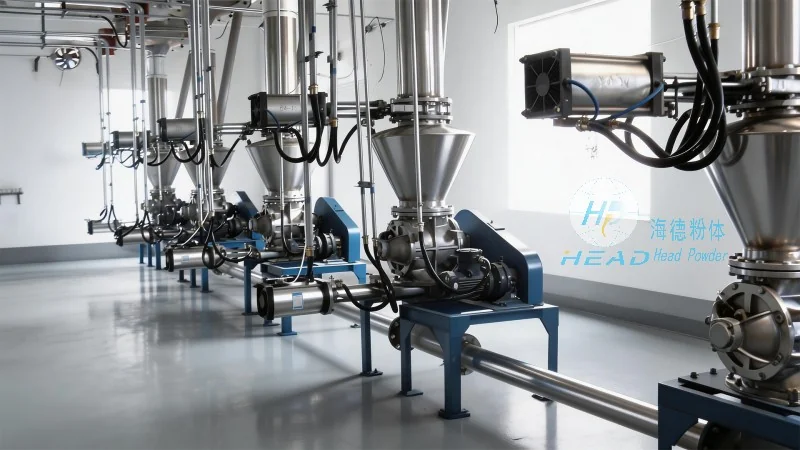
Pneumatic conveying, or air-powered systems, use compressed air to transport millet in a closed pipeline. This method is ideal for handling fine or powdery millet, as it can prevent dust and contamination. The main advantage of pneumatic conveying is its ability to transport millet over long distances with minimal loss and high efficiency. It also allows for easy integration with other processing equipment, such as classifiers or mixers. However, pneumatic systems require significant energy input to operate, as they need powerful air compressors. Furthermore, they are prone to blockages if the millet is too fine or contains excessive moisture, which can lead to system downtime and maintenance costs. Proper design and maintenance are crucial to ensure smooth operation.
3. Belt Conveyors
Belt conveyors use a continuous belt to transport millet horizontally or at a slight incline. These systems are commonly used in large-scale millet processing facilities due to their high capacity and ability to handle bulk quantities. The primary advantage of belt conveyors is their high throughput and reliability, making them suitable for continuous production lines. They are also relatively easy to install and can be customized with different belt materials to suit various millet types. However, belt conveyors require regular maintenance to prevent belt wear and slippage. They are not suitable for vertical conveying or handling very fine millet, as the belt may not provide sufficient grip. Additionally, they can be more expensive to install compared to other methods, especially for long or complex layouts.
4. Bucket Elevators
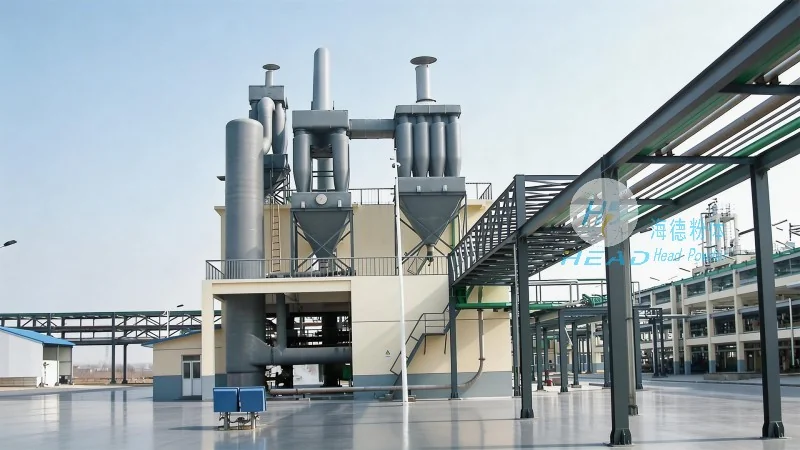
Bucket elevators are vertical or inclined conveyors that use a series of buckets attached to a chain or belt to lift millet from lower to higher levels. This method is particularly effective for vertical transport in millet processing plants, as it can handle large volumes of material with minimal space requirements. The main advantage of bucket elevators is their high vertical lifting capacity and ability to transport millet over significant heights without the need for multiple stages. They are also relatively low-maintenance compared to other vertical systems. However, bucket elevators have limitations when it comes to handling abrasive or sticky millet, as the buckets and chains can wear out quickly. They are also not suitable for horizontal conveying, as the vertical design restricts their use to vertical or near-vertical applications.
5. Comparison and Selection Considerations
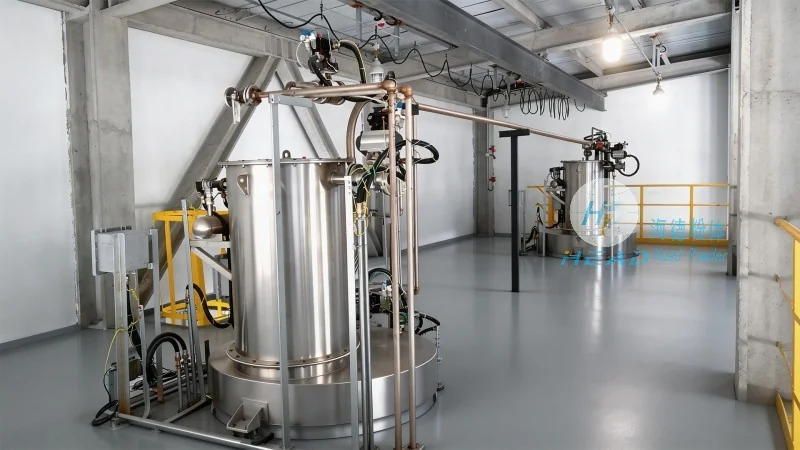
When choosing a millet conveying method, several factors must be considered to ensure optimal performance and cost-effectiveness. The first consideration is the type of millet being handled—whether it is whole grains, ground products, or a mixture. Screw conveyors are suitable for most types, while pneumatic systems are better for fine powders. The second factor is the distance and direction of transport—horizontal, vertical, or both. Belt conveyors excel in horizontal bulk transport, while bucket elevators are ideal for vertical lifting. The third factor is the operational environment, including space constraints, energy availability, and maintenance capabilities. For example, a small operation with limited space might prefer a compact screw conveyor, while a large facility with high throughput might opt for a belt conveyor or pneumatic system.
Conclusion
Shandong HeadPowder Engineering Co., Ltd. offers a range of millet conveying solutions tailored to meet the diverse needs of the industry. By understanding the advantages and disadvantages of each method, businesses can select the most suitable option to enhance their millet processing efficiency and productivity. Whether it's a screw conveyor for simple transport or a pneumatic system for fine powders, the right choice depends on the specific requirements of the operation. With proper design and maintenance, these conveying systems can provide reliable and cost-effective solutions for millet handling, contributing to overall operational success.

 Công ty TNHH Kỹ thuật Công trình Bột Hải Đức Sơn Đông
 156-6277-7102(Quản lý Trương)
  0531-83386006
  Quận Chương Khâu, Thành phố Tế Nam, Tỉnh Sơn Đông, Trung Quốc
Điện thoại
WeChatTư vấn
Lên đầu