Công ty Hải Đức Bột với hơn 10 năm kinh nghiệm vận chuyển khí, cung cấp hệ thống‑thiết bị‑quạt gió và nhận dự án tổng thầu bột cả nước
When it comes to handling small materials in industrial settings, selecting the right conveying method is crucial for efficiency, cost-effectiveness, and operational reliability. Small material conveying systems are essential in various industries, including food processing, pharmaceuticals, chemicals, and bulk material handling. Understanding the advantages and disadvantages of different conveying methods helps businesses make informed decisions that align with their specific operational requirements. This article provides a detailed comparison of common small material conveying methods, focusing on their characteristics, benefits, and limitations.
Introduction to Small Material Conveying Systems
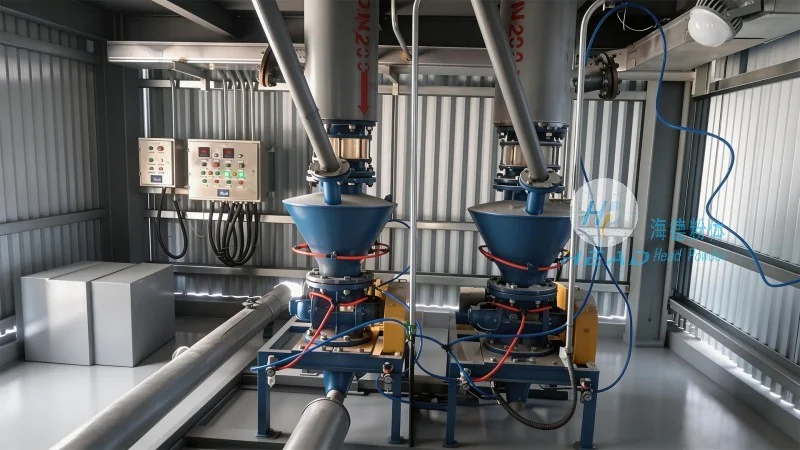
Small material conveying systems are designed to transport bulk materials that are typically less than 10 millimeters in size. These materials can range from powders and granules to fine particles and pellets. The choice of conveying method depends on factors such as material properties, required throughput, distance of transport, environmental considerations, and budget constraints. Effective small material conveying ensures smooth material flow, reduces downtime, and enhances overall production efficiency. Companies like Shandong HeadPowder Engineering Co., Ltd. specialize in providing tailored conveying solutions that meet the unique needs of their clients.
Types of Conveying Methods and Their Characteristics
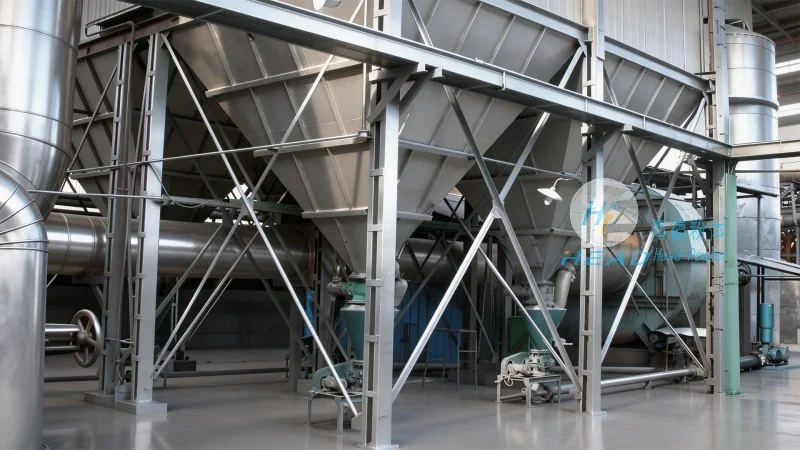
Several common small material conveying methods are widely used in industrial applications. Each method has distinct features that make it suitable for specific scenarios. The primary types include screw conveyors, pneumatic (air) conveyors, vibrating conveyors, and belt conveyors. Each of these systems operates on different principles, offering unique advantages and disadvantages.
Advantages and Disadvantages of Screw Conveyors
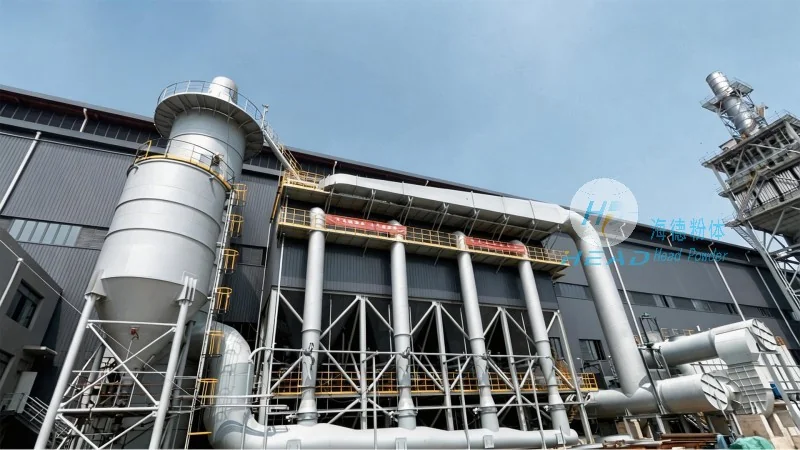
Screw conveyors, also known as auger conveyors, are one of the most common small material conveying methods. They consist of a rotating helical screw inside a trough or tube. The screw rotates to move material forward, making it suitable for horizontal, inclined, or vertical transport. Screw conveyors are particularly effective for handling dry, free-flowing materials like powders and granules. One of the key advantages of screw conveyors is their simplicity and low maintenance requirements. They are relatively inexpensive to install and operate, making them an attractive option for many businesses. Additionally, screw conveyors can handle a wide range of materials without the need for additional components. However, screw conveyors have some limitations. They are not suitable for materials that are too abrasive or sticky, as this can cause wear and tear on the screw and trough. Moreover, screw conveyors are less efficient for vertical transport over long distances due to the need for higher power consumption. The headspace and discharge characteristics of screw conveyors can also limit their use in certain applications. Shandong HeadPowder Engineering Co., Ltd. offers high-quality screw conveyor systems designed to address these challenges, ensuring reliable performance in various industrial settings.
Advantages and Disadvantages of Pneumatic Conveying Systems
Pneumatic conveying systems use air or other gases to transport small materials. These systems are typically classified as pressure or vacuum conveyors. Pressure systems push material through a pipeline using compressed air, while vacuum systems draw material into a pipeline using a vacuum pump. Pneumatic conveyors are ideal for handling fine powders and granules that are difficult to transport with other methods. One of the main advantages of pneumatic conveying is its ability to transport materials over long distances with minimal material degradation. The enclosed system also helps maintain material purity and prevents contamination. Pneumatic conveyors are also flexible, as they can be easily reconfigured to change the direction or distance of transport. However, pneumatic conveying has significant drawbacks. The high energy consumption required to operate the system can increase operational costs. Additionally, the system is sensitive to material properties, such as moisture content and particle size, which can affect performance. Clogging is another common issue, especially with sticky or cohesive materials. The initial investment for pneumatic conveying systems is also higher compared to other methods. Shandong HeadPowder Engineering Co., Ltd. provides advanced pneumatic conveying solutions that optimize energy use and ensure reliable material transport, even for challenging materials.
Advantages and Disadvantages of Vibrating Conveyors
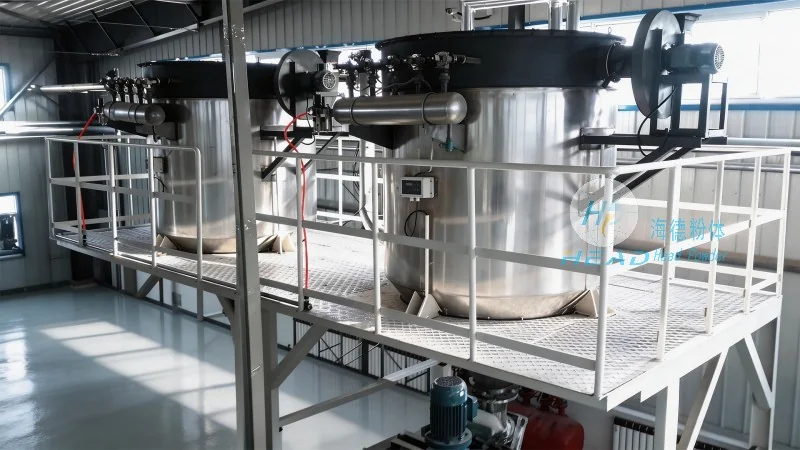
Vibrating conveyors use mechanical vibrations to move small materials along a trough. The conveyor is typically a long, flat or slightly inclined trough that is mounted on springs and driven by an electric motor. The vibrations cause the material to move forward, making it suitable for both horizontal and inclined transport. Vibrating conveyors are particularly effective for handling bulk materials that are prone to bridging or clogging. One of the key advantages of vibrating conveyors is their ability to handle sticky or cohesive materials without the need for additional components. The gentle motion of the conveyor reduces material degradation and prevents product damage. Vibrating conveyors are also low maintenance, as they have fewer moving parts compared to other systems. However, vibrating conveyors have limitations. They are not suitable for vertical transport, as the vibrations can cause instability. The system also requires regular maintenance to ensure the vibration motor operates correctly. Additionally, the conveyor's design limits the maximum throughput for certain materials. Shandong HeadPowder Engineering Co., Ltd. specializes in designing and manufacturing vibrating conveyors that offer high efficiency and reliability, tailored to the specific needs of their clients.
Conclusion: Choosing the Right Conveying Method for Your Needs
Choosing the right small material conveying method requires careful consideration of various factors, including material properties, transport distance, and operational requirements. Screw conveyors offer simplicity and cost-effectiveness for dry, free-flowing materials. Pneumatic conveyors provide flexibility and long-distance transport for fine powders. Vibrating conveyors excel in handling sticky or cohesive materials with minimal degradation. Each method has its own set of advantages and disadvantages, and the best choice depends on the specific application. Companies like Shandong HeadPowder Engineering Co., Ltd. can provide expert guidance and customized solutions to help businesses select the most suitable conveying method. By understanding the pros and cons of each option, businesses can optimize their material handling processes, reduce costs, and improve overall operational efficiency. Whether it's a screw conveyor, pneumatic system, or vibrating conveyor, the right choice will depend on the unique needs of the application, ensuring reliable and efficient material transport in industrial settings.

 Công ty TNHH Kỹ thuật Công trình Bột Hải Đức Sơn Đông
 156-6277-7102(Quản lý Trương)
  0531-83386006
  Quận Chương Khâu, Thành phố Tế Nam, Tỉnh Sơn Đông, Trung Quốc
Điện thoại
WeChatTư vấn
Lên đầu