Công ty Hải Đức Bột với hơn 10 năm kinh nghiệm vận chuyển khí, cung cấp hệ thống‑thiết bị‑quạt gió và nhận dự án tổng thầu bột cả nước
Molybdenum concentrate, a critical raw material in the metallurgical industry, requires efficient and reliable transportation methods to ensure smooth production processes. The choice of transportation method significantly impacts operational efficiency, cost, and safety. This article provides a detailed comparison of common molybdenum concentrate transportation methods, highlighting their advantages and disadvantages. The information is presented by Shandong HeadPowder Engineering Co., Ltd., a leading provider in the field, based in China.
Pipeline Transportation
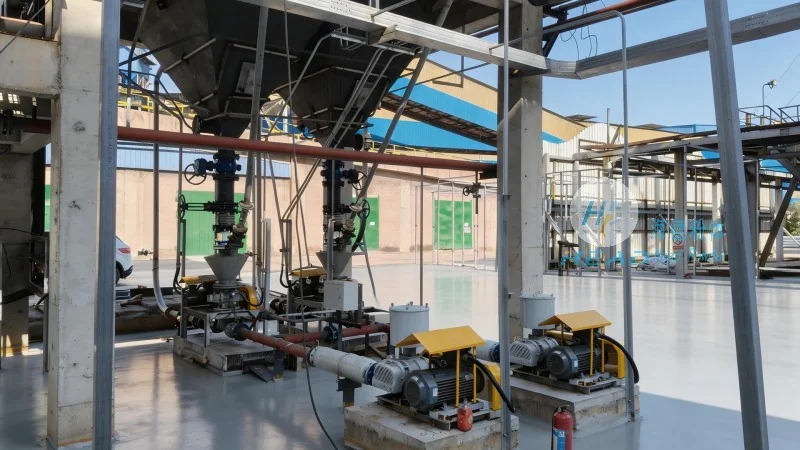
Pipeline transportation is a widely used method for moving molybdenum concentrate, especially in large-scale industrial operations. This method involves transporting the concentrate through a network of pipes under pressure. One of the primary advantages of pipeline transportation is its high efficiency and continuous operation, which minimizes downtime and ensures a steady supply of material. Additionally, it reduces labor costs as it eliminates the need for manual handling and reduces the risk of material loss or contamination. However, pipeline transportation has several drawbacks. The initial investment for pipeline construction is substantial, making it less feasible for small-scale operations. Maintenance costs are also high due to the need for regular inspections and repairs to prevent leaks or blockages. Furthermore, the system is less flexible, as changes to the pipeline layout are difficult and costly. Shandong HeadPowder Engineering Co., Ltd. specializes in designing and implementing pipeline systems tailored to specific industrial needs, ensuring optimal performance and longevity.
Belt Conveyor Transportation
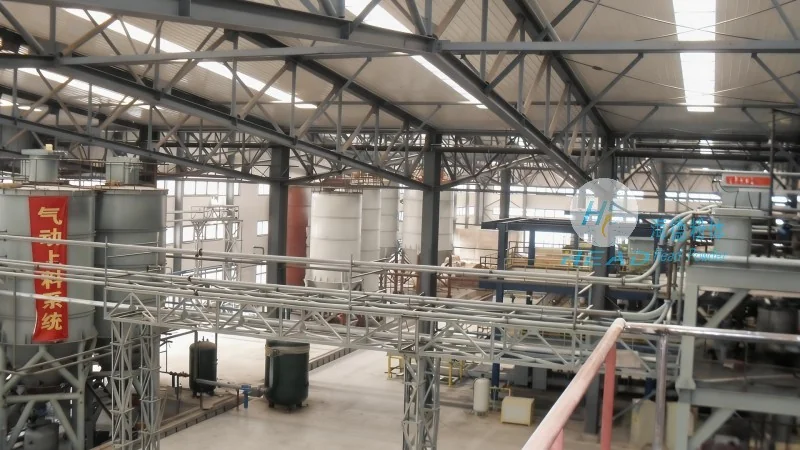
Belt conveyor systems are another common method for transporting molybdenum concentrate, particularly in mining and processing facilities. This method uses a continuous belt to move material from one location to another. The advantages of belt conveyors include high capacity and the ability to transport materials over long distances. They are also relatively low in maintenance compared to other systems, as the main components are simple and durable. Belt conveyors are suitable for both dry and slightly wet molybdenum concentrate, making them versatile for various processing stages. However, belt conveyors have limitations. They require significant space for installation, which may not be available in compact facilities. The risk of material spillage and belt damage is also a concern, especially when handling abrasive materials like molybdenum concentrate. Additionally, belt conveyors are susceptible to downtime due to belt breaks or misalignment. Shandong HeadPowder Engineering Co., Ltd. offers customized belt conveyor solutions that enhance efficiency and reduce operational disruptions.
Air Transportation (Pneumatic Conveying)
Air transportation, or pneumatic conveying, involves transporting molybdenum concentrate using air pressure. This method is particularly useful for moving fine or powdery materials over short to medium distances. One of the key advantages of pneumatic conveying is its ability to handle fine particles without the need for additional equipment like crushers or screens. It also allows for enclosed systems, which reduce dust emissions and improve safety. However, pneumatic conveying has its challenges. The energy consumption is relatively high, as it requires powerful fans or blowers to move the material through the system. The system is also sensitive to changes in material moisture content, as high moisture can cause blockages or reduce conveying efficiency. Furthermore, the initial cost of pneumatic conveying equipment is higher compared to other methods, and maintenance can be complex due to the presence of moving parts and air filters. Shandong HeadPowder Engineering Co., Ltd. provides advanced pneumatic conveying systems that optimize energy use and ensure reliable material transport.
Truck and Rail Transportation
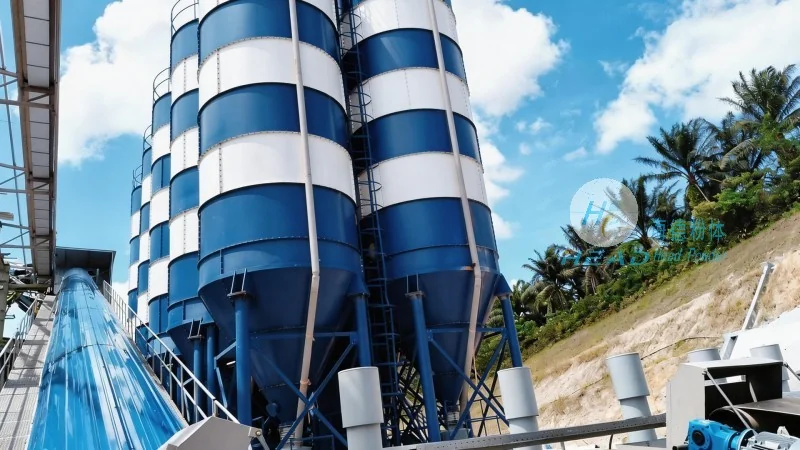
For bulk transportation over longer distances, truck and rail are common methods for molybdenum concentrate. Trucks are suitable for shorter routes and can deliver material directly to processing plants or storage facilities. The advantages of truck transportation include flexibility and the ability to reach remote locations. However, it is less efficient for large volumes and can be affected by traffic conditions and weather. Rail transportation, on the other hand, is ideal for long-distance, high-volume transport. It offers lower transportation costs per ton-mile compared to trucks and reduces the environmental impact by minimizing road traffic. However, rail systems require significant infrastructure, including tracks and loading facilities, which can be expensive to build and maintain. Additionally, rail transportation is less flexible, as it is dependent on the availability of rail lines and scheduling. Shandong HeadPowder Engineering Co., Ltd. collaborates with logistics partners to provide comprehensive transportation solutions that integrate truck and rail options, ensuring timely and cost-effective delivery of molybdenum concentrate.
Choosing the Right Transportation Method
The selection of the most suitable molybdenum concentrate transportation method depends on several factors, including the scale of operations, distance, material characteristics, and budget. For large-scale industrial applications, pipeline or belt conveyor systems may be more cost-effective in the long run, despite higher initial investments. For smaller operations or shorter distances, pneumatic conveying or truck transportation might be more practical. It is essential to consider the specific requirements of the molybdenum concentrate, such as particle size, moisture content, and abrasiveness, when choosing a transportation method. Additionally, the environmental and safety regulations in the operating region should be taken into account, as some methods may require additional controls to minimize dust or noise pollution. Shandong HeadPowder Engineering Co., Ltd. offers expert consultation services to help clients evaluate their needs and select the optimal transportation solution, ensuring efficiency, safety, and compliance with industry standards.

 Công ty TNHH Kỹ thuật Công trình Bột Hải Đức Sơn Đông
 156-6277-7102(Quản lý Trương)
  0531-83386006
  Quận Chương Khâu, Thành phố Tế Nam, Tỉnh Sơn Đông, Trung Quốc
Điện thoại
WeChatTư vấn
Lên đầu