Công ty Hải Đức Bột với hơn 10 năm kinh nghiệm vận chuyển khí, cung cấp hệ thống‑thiết bị‑quạt gió và nhận dự án tổng thầu bột cả nước
When it comes to handling abrasive materials like sand in industrial applications, selecting the right conveying method is crucial for efficiency, cost-effectiveness, and equipment longevity. Abrasive sand, often used in industries such as mining, construction, and manufacturing, demands specialized equipment to prevent wear and tear. This article provides a detailed comparison of common abrasive sand conveying methods, highlighting their advantages and disadvantages, to help industrial operators make informed decisions.
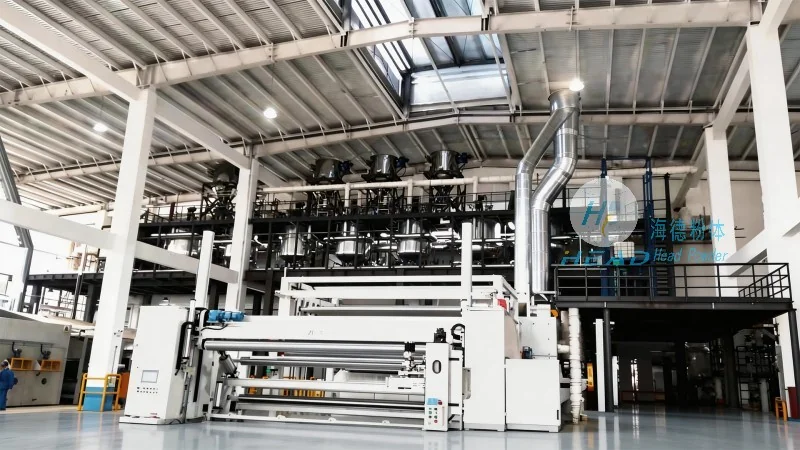
Understanding Abrasive Sand and Conveying Challenges
Abrasive sand, characterized by its hard, gritty particles, poses unique challenges during transportation. Traditional conveying systems may suffer from excessive wear on components like pipes, bearings, and conveyor belts due to the abrasive nature of the material. Therefore, choosing a conveying method that minimizes friction and wear is essential to maintain operational efficiency and reduce maintenance costs. The following sections explore several widely used abrasive sand conveying methods, evaluating their performance in terms of durability, cost, and operational flexibility.
Spiral Conveyors: A Traditional Approach with Modern Enhancements
Spiral conveyors, also known as screw conveyors, are a popular choice for transporting abrasive sand due to their compact design and ability to handle vertical and horizontal movement. These systems consist of a rotating screw inside a trough, which moves material along the conveyor path. The primary advantage of spiral conveyors is their simplicity and low maintenance requirements. They are particularly effective for short to medium-distance transport and can handle a wide range of abrasive materials without the need for additional components like pumps or blowers.
However, spiral conveyors have significant drawbacks when dealing with highly abrasive sand. The constant friction between the screw and the trough causes rapid wear, reducing the lifespan of the conveyor components. Additionally, the system is less efficient for long-distance transport, as the material may experience increased pressure and heat, leading to material degradation. For applications requiring high throughput or long distances, spiral conveyors may not be the most suitable option.
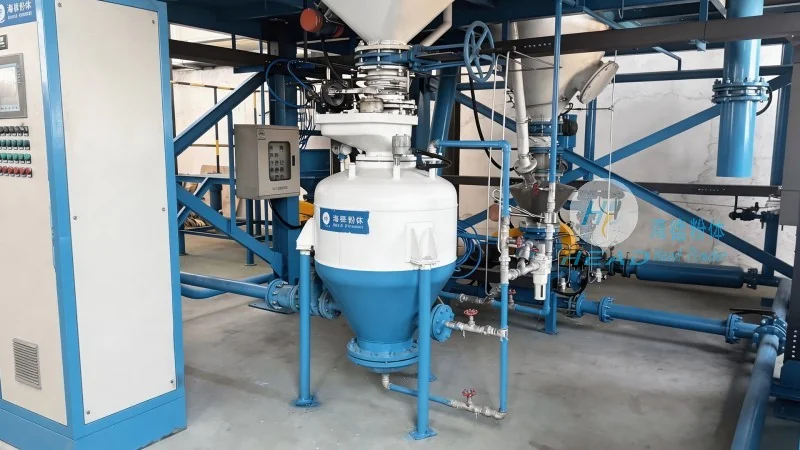
Air-Powered Conveying Systems: Efficiency and Flexibility
Air-powered or pneumatic conveying systems use compressed air to transport abrasive sand through a network of pipes. This method is highly efficient for both short and long-distance transport, offering flexibility in layout and the ability to handle materials with varying particle sizes. The primary advantage of air-powered systems is their ability to minimize wear on equipment, as the material is suspended in air rather than sliding against metal surfaces. This reduces the risk of component damage and extends the operational life of the system.
Despite their efficiency, air-powered conveying systems have notable disadvantages. The high energy consumption associated with compressed air makes them more expensive to operate compared to other methods. Additionally, the system requires regular maintenance of air compressors and filters, which can increase long-term costs. Another challenge is the potential for material segregation, as lighter or finer particles may be carried more efficiently than heavier or coarser ones. This can affect the uniformity of the conveyed material, impacting downstream processes.
Pneumatic Conveying vs. Mechanical Conveying: Key Differences
While both air-powered and mechanical conveying systems are used for abrasive sand transport, they differ significantly in their operational principles and suitability for specific applications. Mechanical conveyors, such as belt or chain conveyors, rely on physical contact between the material and the conveyor surface, making them prone to wear from abrasive particles. In contrast, pneumatic systems use air to suspend the material, reducing direct contact and wear. This makes pneumatic conveying more suitable for highly abrasive materials that would otherwise damage mechanical components.
However, mechanical conveyors offer advantages in terms of energy efficiency and cost for short-distance transport. They are often more straightforward to install and maintain, with lower initial investment costs compared to pneumatic systems. The choice between pneumatic and mechanical conveying depends on factors such as distance, material characteristics, and operational budget. For applications requiring long-distance transport or handling of extremely abrasive materials, pneumatic systems are generally preferred, while mechanical conveyors may be more suitable for shorter distances and less abrasive materials.
HeadPowder Engineering: Expertise in Abrasive Sand Conveying Solutions
Shandong HeadPowder Engineering Co., Ltd., a leading manufacturer based in China, specializes in providing customized conveying solutions for abrasive materials. With years of experience in the industry, HeadPowder offers a range of equipment designed to address the unique challenges of abrasive sand transport. The company's products are engineered to minimize wear and maximize efficiency, ensuring long-term performance and cost savings for industrial clients.
HeadPowder's expertise lies in understanding the specific requirements of each application and tailoring conveying systems to meet those needs. Whether it's a spiral conveyor for short-distance transport or a pneumatic system for long-distance handling, the company's solutions are designed to deliver reliable performance and durability. By leveraging advanced materials and engineering techniques, HeadPowder ensures that its products can withstand the harsh conditions associated with abrasive sand, providing a competitive edge to industrial operators.
Conclusion: Selecting the Right Conveying Method for Abrasive Sand
Choosing the appropriate abrasive sand conveying method requires careful consideration of operational needs, material characteristics, and budget constraints. Each method has its own set of advantages and disadvantages, and the optimal choice depends on the specific application. Spiral conveyors offer simplicity and low maintenance but are limited by wear and short-distance transport. Air-powered systems provide efficiency and flexibility but come with higher energy costs and maintenance requirements. Mechanical conveyors are cost-effective for short distances but may not be suitable for highly abrasive materials.
For industrial operators seeking reliable and durable conveying solutions, Shandong HeadPowder Engineering Co., Ltd. stands out as a trusted partner. With a focus on quality and innovation, HeadPowder provides tailored solutions that address the unique challenges of abrasive sand transport, ensuring optimal performance and long-term value. By understanding the strengths and limitations of each conveying method, operators can make informed decisions that enhance operational efficiency and reduce costs in their industrial processes.

 Công ty TNHH Kỹ thuật Công trình Bột Hải Đức Sơn Đông
 156-6277-7102(Quản lý Trương)
  0531-83386006
  Quận Chương Khâu, Thành phố Tế Nam, Tỉnh Sơn Đông, Trung Quốc
Điện thoại
WeChatTư vấn
Lên đầu