Công ty Hải Đức Bột với hơn 10 năm kinh nghiệm vận chuyển khí, cung cấp hệ thống‑thiết bị‑quạt gió và nhận dự án tổng thầu bột cả nước
When it comes to the safe and efficient delivery of sodium hydroxide (NaOH), also known as caustic soda, various methods are employed across different industries. Understanding the advantages and disadvantages of each delivery method is crucial for selecting the most suitable option based on specific operational requirements, safety standards, and cost considerations. This article provides a detailed comparison of common sodium hydroxide delivery methods, highlighting their key features and practical applications.
1. Positive Displacement Pumps for Sodium Hydroxide Delivery
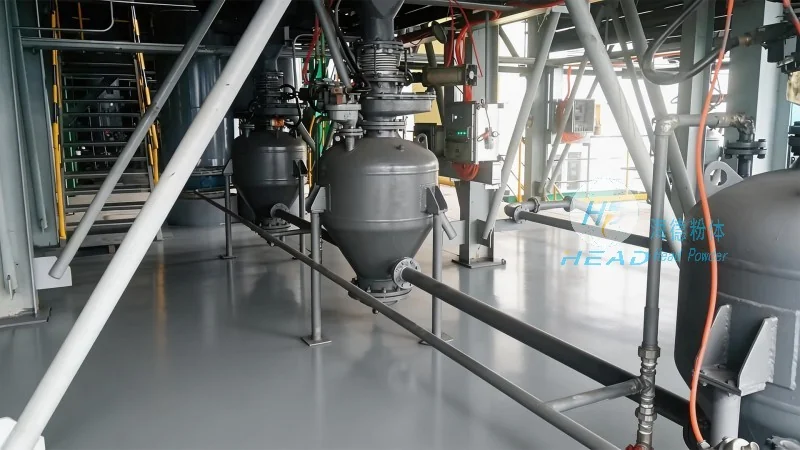
Positive displacement pumps are widely used for transporting sodium hydroxide due to their ability to handle high-viscosity liquids and maintain consistent flow rates. These pumps, such as gear pumps or piston pumps, operate by trapping a fixed volume of liquid and forcing it through the discharge port. The primary advantage of positive displacement pumps is their reliability in delivering precise dosages, which is essential for processes requiring exact chemical concentrations. Additionally, they can handle sodium hydroxide solutions with varying viscosities without significant performance degradation. However, these pumps may experience higher wear and tear compared to other types, especially when dealing with abrasive or highly concentrated solutions. Regular maintenance is necessary to ensure long-term efficiency and prevent equipment failure. The use of corrosion-resistant materials, like stainless steel or specialized alloys, is often required to protect the pump components from the caustic nature of sodium hydroxide.
2. Centrifugal Pumps for Sodium Hydroxide Transport
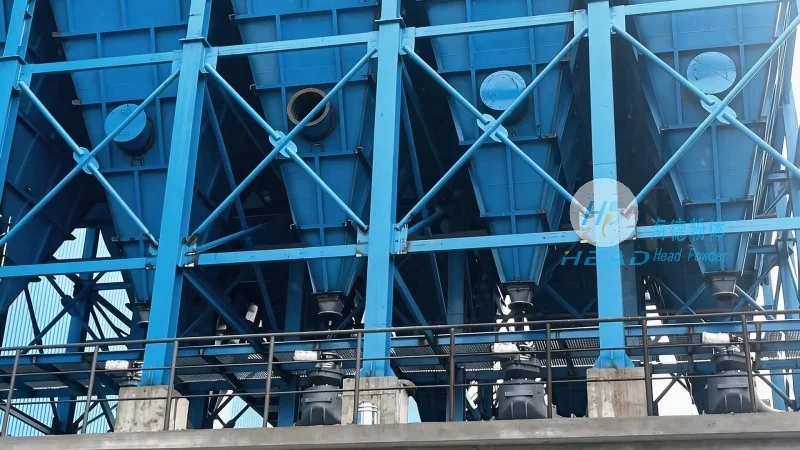
Centrifugal pumps are another common choice for sodium hydroxide delivery, particularly in applications where high flow rates are needed. These pumps utilize centrifugal force to move the liquid, making them suitable for large-scale industrial operations. The main advantage of centrifugal pumps is their ability to handle large volumes of fluid at relatively low cost. They are also relatively simple in design, which reduces maintenance complexity and operational downtime. However, centrifugal pumps may not be as effective for high-viscosity sodium hydroxide solutions, as the flow rate can decrease significantly under such conditions. Moreover, they are less precise in controlling flow rates compared to positive displacement pumps, which can be a drawback in processes requiring tight dosage control. The risk of cavitation and vibration is another concern when operating centrifugal pumps with sodium hydroxide, especially at high pressures or temperatures.
3. Bulk Tank Truck Delivery
Bulk tank trucks are a traditional method for transporting sodium hydroxide from manufacturers to end-users. This method is particularly useful for large-scale industrial facilities that require substantial quantities of the chemical. The primary advantage of bulk tank truck delivery is the ability to transport large volumes of sodium hydroxide over long distances without the need for on-site storage tanks. This reduces the risk of spills and contamination at the receiving site. Additionally, tank trucks can be equipped with specialized insulation and heating systems to maintain the temperature of the sodium hydroxide during transit, which is critical for maintaining its quality and preventing crystallization. However, bulk tank truck delivery is subject to strict regulations regarding safety and environmental compliance. The transportation process requires trained personnel and proper safety protocols to minimize the risk of accidents. Furthermore, the delivery schedule may be less flexible compared to other methods, as it depends on the availability of tank trucks and the logistics of the supply chain.
4. Pipelines for Continuous Sodium Hydroxide Supply
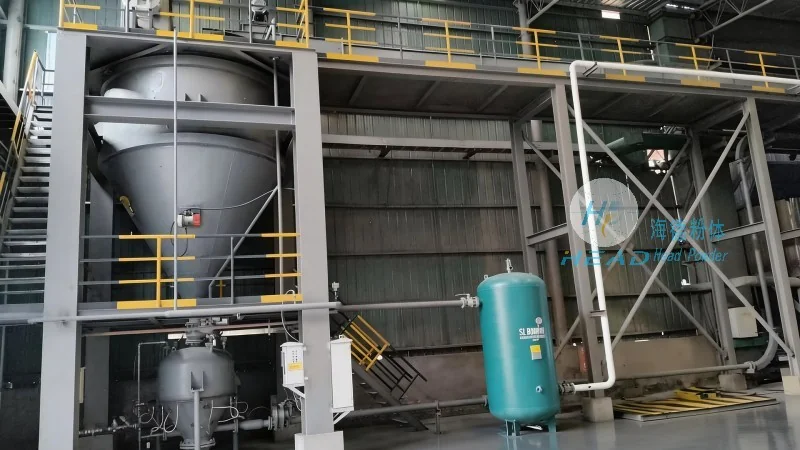
Pipelines are an efficient and reliable method for delivering sodium hydroxide to industrial plants, especially for continuous production processes. This method involves laying underground or above-ground pipelines to connect the manufacturing facility to the end-user's site. The main advantage of pipelines is the ability to provide a constant and uninterrupted supply of sodium hydroxide, which enhances operational efficiency and reduces downtime. Pipelines also minimize the risk of spills and leaks compared to other delivery methods, as the liquid is contained within a sealed system. However, the initial investment for pipeline construction is substantial, making it less feasible for small-scale operations or remote locations. Maintenance of pipelines is also crucial to prevent corrosion and leaks, as sodium hydroxide can be highly corrosive to certain materials. Regular inspections and protective coatings are necessary to ensure the longevity and safety of the pipeline system.
5. Comparison and Selection Criteria
When choosing a sodium hydroxide delivery method, several factors must be considered to ensure the best fit for the application. The scale of the operation, the required flow rate, and the distance between the supplier and the end-user are key considerations. For small to medium-sized operations with moderate flow rates, positive displacement pumps or bulk tank truck delivery may be more cost-effective. In contrast, large-scale industrial plants with high flow rates and long-distance supply needs may benefit from centrifugal pumps or pipelines. Safety is another critical factor, as sodium hydroxide is a hazardous chemical. The delivery method must comply with local regulations and industry standards to minimize risks. Cost is also a significant consideration, as different methods have varying upfront and operational expenses. Ultimately, the selection of the most suitable sodium hydroxide delivery method depends on a comprehensive evaluation of these factors, tailored to the specific needs of the operation.
6. HeadPowder's Expertise in Sodium Hydroxide Delivery Solutions
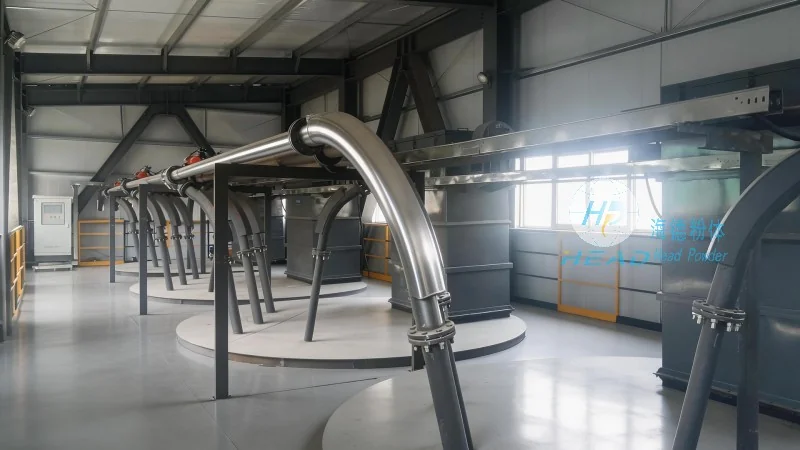
Shandong HeadPowder Engineering Co., Ltd., a leading provider of chemical delivery solutions, specializes in offering tailored sodium hydroxide delivery systems to meet the diverse needs of industrial clients. With years of experience in the chemical industry, HeadPowder understands the importance of selecting the right delivery method for optimal performance and safety. The company's team of experts works closely with clients to assess their operational requirements and recommend the most suitable delivery solution, whether it involves pump systems, bulk tank trucks, or pipeline infrastructure. HeadPowder emphasizes the use of high-quality, corrosion-resistant materials and advanced technologies to ensure the reliability and efficiency of its delivery systems. By partnering with HeadPowder, clients can benefit from customized solutions that enhance their production processes while adhering to the highest safety and environmental standards. The company's commitment to innovation and customer satisfaction has made it a trusted name in the sodium hydroxide delivery market, serving clients across China and beyond.

 Công ty TNHH Kỹ thuật Công trình Bột Hải Đức Sơn Đông
 156-6277-7102(Quản lý Trương)
  0531-83386006
  Quận Chương Khâu, Thành phố Tế Nam, Tỉnh Sơn Đông, Trung Quốc
Điện thoại
WeChatTư vấn
Lên đầu