Công ty Hải Đức Bột với hơn 10 năm kinh nghiệm vận chuyển khí, cung cấp hệ thống‑thiết bị‑quạt gió và nhận dự án tổng thầu bột cả nước
When it comes to the delivery of amino acetic acid (glycine), selecting the right method is crucial for ensuring efficiency, safety, and cost-effectiveness in industrial applications. Amino acetic acid, a vital chemical in various industries including pharmaceuticals, agriculture, and food processing, requires careful handling due to its properties and the need for precise control during transport. This article provides a detailed comparison of common amino acetic acid delivery methods, examining their advantages and disadvantages to help businesses make informed decisions.
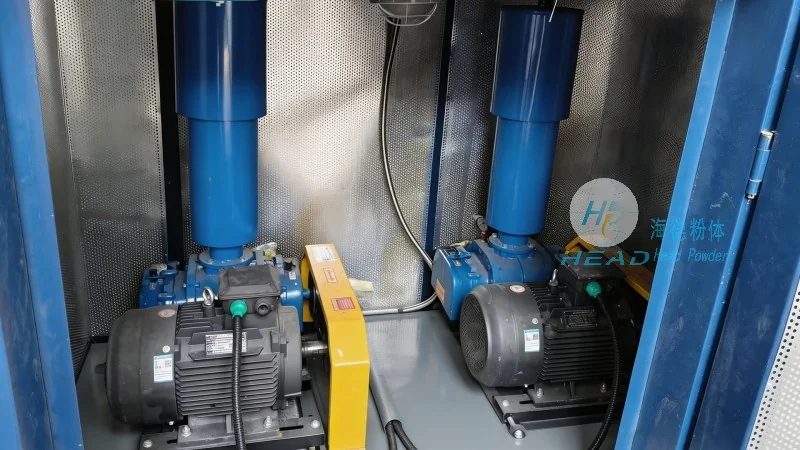
1. Positive Pressure Pump Delivery: Precision and Control
Positive pressure pump delivery is one of the most common methods for transporting amino acetic acid. This approach involves using pumps to generate pressure and move the liquid through pipelines. The primary advantage of this method is its high level of control over flow rate and pressure, which is essential for maintaining the chemical's stability and preventing degradation. Positive pressure pumps, such as centrifugal or diaphragm pumps, can handle varying viscosities and temperatures, making them suitable for diverse applications. However, this method comes with higher initial investment costs and maintenance requirements. The complexity of the system also increases the risk of mechanical failures, which may lead to downtime and additional operational costs.
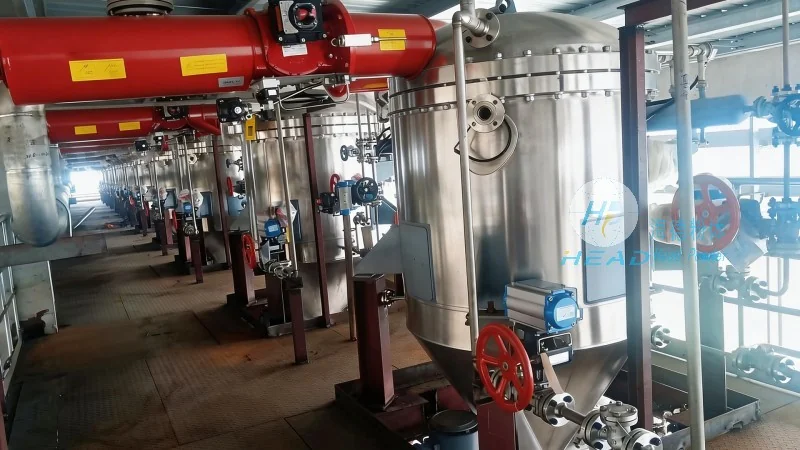
2. Gravity Flow Delivery: Energy Efficiency and Simplicity
Gravity flow delivery relies on the natural force of gravity to move amino acetic acid from a higher to a lower elevation. This method is particularly effective in applications where the source and destination are at different heights, such as in storage tanks located on hills or in industrial facilities with multi-level structures. The main advantage of gravity flow is its energy efficiency, as it eliminates the need for external power sources like pumps. This reduces operational costs and environmental impact. Additionally, the system is relatively simple, with fewer components and lower maintenance needs compared to positive pressure systems. However, gravity flow is highly dependent on the topography of the site. If the destination is at a higher level than the source, this method becomes impractical. The flow rate is also limited by the height difference and the diameter of the pipeline, which may not meet the demand for high-volume transport.
3. Vacuum-Assisted Delivery: Long-Distance and Low-Pressure Transport
Vacuum-assisted delivery combines the use of vacuum pumps with gravity or pressure to move amino acetic acid over longer distances or between different elevations. This method is ideal for applications where the source and destination are far apart or at different heights, such as in large-scale agricultural or industrial complexes. The vacuum system creates a partial vacuum in the pipeline, drawing the liquid from the source to the destination. The advantage of this approach is that it reduces the need for high-pressure pumps, minimizing the risk of leaks and pressure-related hazards. It also allows for the use of smaller, more cost-effective pipelines. However, the system is more complex than simple gravity flow, requiring additional equipment like vacuum pumps and check valves. The efficiency of vacuum-assisted delivery can be affected by air leaks or blockages in the pipeline, which may disrupt the flow and require regular maintenance.
4. Pressure Vessel Delivery: Large-Scale and Safe Transport
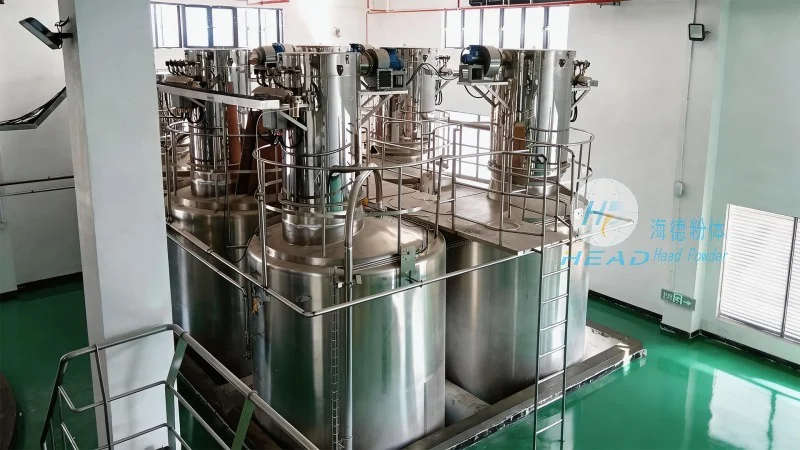
Pressure vessel delivery involves using specialized containers, such as tanks or cylinders, to transport amino acetic acid in bulk. This method is commonly used for long-distance transport or when the chemical needs to be delivered to remote locations where pipeline infrastructure is not available. The primary advantage of pressure vessels is their ability to handle large volumes of amino acetic acid safely and efficiently. The vessels are designed to withstand high pressures and temperatures, ensuring the chemical remains stable during transport. This method also allows for easier storage and handling, as the vessels can be placed on trucks or railcars for transportation. However, pressure vessel delivery requires careful handling and adherence to safety regulations due to the potential risks of pressure buildup and leaks. The cost of pressure vessels and the need for specialized handling equipment add to the overall expenses.
5. HeadPowder Engineering: Customized Solutions for Amino Acetic Acid Delivery
Shandong HeadPowder Engineering Co., Ltd., a leading provider of chemical processing equipment, specializes in designing and manufacturing customized delivery systems for amino acetic acid and other chemicals. With decades of experience in the industry, HeadPowder Engineering understands the unique challenges of transporting amino acetic acid and offers tailored solutions to meet specific client needs. The company's expertise lies in integrating different delivery methods, such as positive pressure pumps and gravity flow, into a single system that optimizes efficiency and safety. HeadPowder Engineering's team of engineers works closely with clients to assess their operational requirements, site conditions, and budget constraints, ensuring the delivery system is both effective and cost-efficient. The company's commitment to quality and innovation has made it a trusted partner for businesses seeking reliable amino acetic acid delivery solutions. Located in Shandong, China, HeadPowder Engineering leverages its local expertise and resources to provide timely and effective support to clients worldwide.

 Công ty TNHH Kỹ thuật Công trình Bột Hải Đức Sơn Đông
 156-6277-7102(Quản lý Trương)
  0531-83386006
  Quận Chương Khâu, Thành phố Tế Nam, Tỉnh Sơn Đông, Trung Quốc
Điện thoại
WeChatTư vấn
Lên đầu