Công ty Hải Đức Bột với hơn 10 năm kinh nghiệm vận chuyển khí, cung cấp hệ thống‑thiết bị‑quạt gió và nhận dự án tổng thầu bột cả nước
When handling flake graphite powder, selecting an appropriate conveying method is crucial for ensuring efficiency, safety, and product integrity. The choice of conveying system directly impacts operational costs, material handling speed, and the overall quality of the final product. In this article, we will explore several common flake graphite powder conveying methods, analyzing their advantages and disadvantages to help industrial users make informed decisions.
Overview of Flake Graphite Powder Conveying Methods
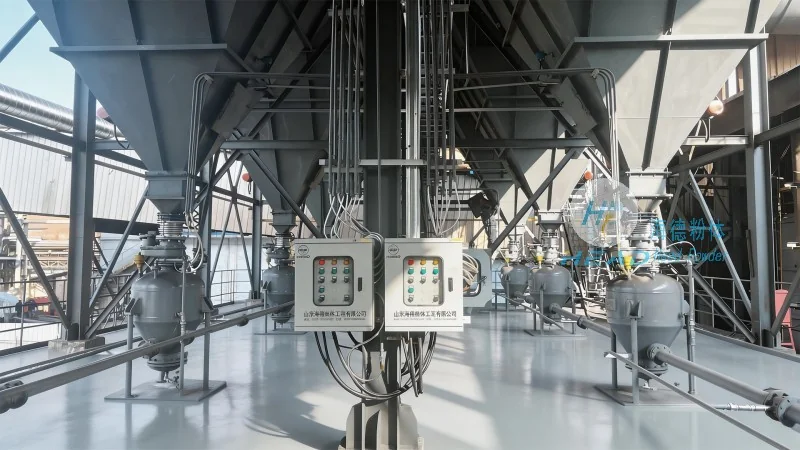
Flake graphite powder, known for its excellent lubricating properties and electrical conductivity, is widely used in various industries, including refractory materials, battery anodes, and lubricants. The nature of this material—fine, dry, and often lightweight—requires specialized conveying techniques to prevent dust generation, material degradation, and equipment wear. Common methods include pneumatic conveying, mechanical conveying (such as screw conveyors and belt conveyors), and hybrid systems. Each method has unique characteristics that make it suitable for different applications and operational environments.
Pneumatic Conveying Systems
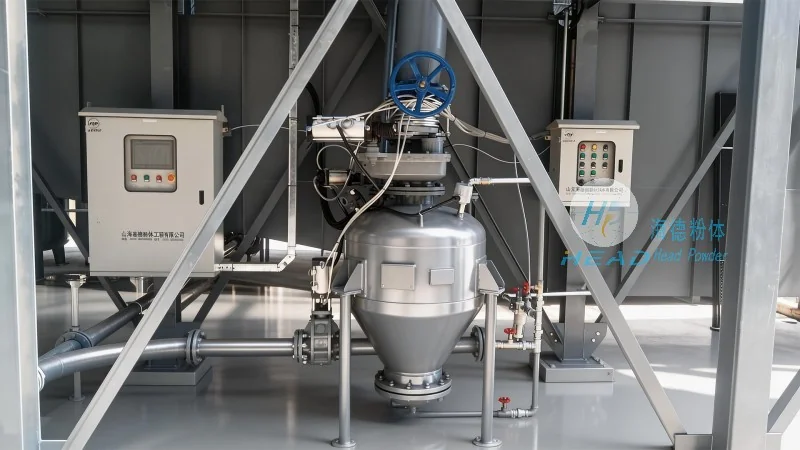
Pneumatic conveying uses air or other gases to transport material through a pipeline. This method is particularly effective for flake graphite powder due to its ability to handle fine, dry powders without the need for mechanical contact. There are two main types: pressure and vacuum systems. Pressure systems push material through the pipeline using compressed air, while vacuum systems draw material into the system using a vacuum pump.
Advantages of pneumatic conveying include high conveying rates, minimal material degradation, and the ability to transport materials over long distances. It also allows for enclosed systems, reducing dust exposure and environmental impact. However, pneumatic systems require significant energy input for air compression or vacuum generation, leading to higher operational costs. Additionally, they may experience issues with material buildup in pipelines, especially with cohesive or sticky powders like some graphite varieties.
For flake graphite powder, pressure pneumatic systems are often preferred. These systems can handle high volumes of material and maintain consistent flow rates, making them suitable for large-scale production. The use of appropriate pipeline materials, such as stainless steel or plastic, is essential to prevent corrosion or contamination. Companies like Shandong HeadPowder Engineering Co., Ltd., based in China, may offer customized pneumatic conveying solutions tailored to specific graphite powder characteristics and production needs.
Mechanical Conveying Systems
Mechanical conveying relies on mechanical components, such as screw conveyors, belt conveyors, and bucket elevators, to move material. Screw conveyors use a rotating screw to push material forward, while belt conveyors use a moving belt to transport material in a continuous manner. These systems are generally more cost-effective than pneumatic systems and are suitable for shorter conveying distances.
Advantages of mechanical conveying include lower energy consumption compared to pneumatic systems and the ability to handle larger particle sizes or bulkier materials. They are also easier to install and maintain, with fewer moving parts. However, mechanical systems may cause more material degradation due to friction and impact, especially with delicate flake graphite particles. Additionally, they are prone to material buildup and clogging, which can lead to downtime and maintenance issues.
For flake graphite powder, screw conveyors are commonly used due to their ability to handle fine powders without excessive friction. However, the design of the screw and the speed of rotation must be carefully optimized to prevent particle breakage. Belt conveyors are another option, particularly for transporting graphite powder over short distances or in enclosed environments. They are effective for maintaining material integrity but may require additional dust control measures to prevent airborne contamination.
Hybrid Conveying Systems
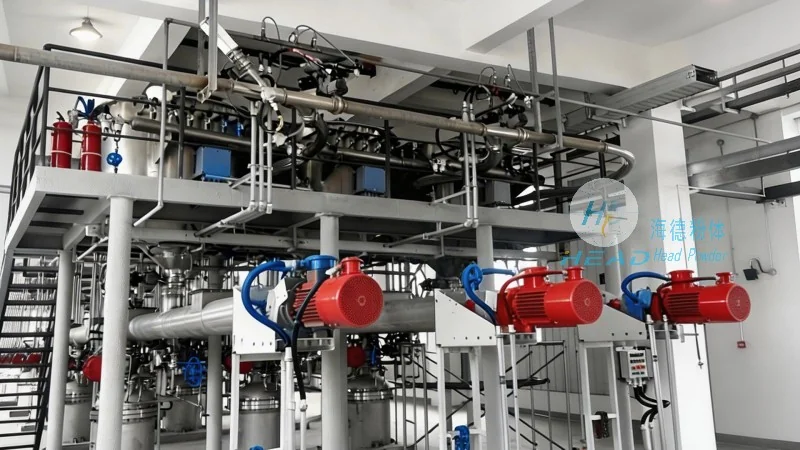
Hybrid systems combine pneumatic and mechanical conveying techniques to leverage the advantages of both methods. For example, a system might use a mechanical conveyor to feed material into a pneumatic line, or a pneumatic system to transport material to a mechanical conveyor for final delivery. This approach allows for flexibility in handling different material characteristics and operational requirements.
Advantages of hybrid systems include improved efficiency and reduced energy consumption compared to purely pneumatic or mechanical systems. They can handle a wider range of material types and flow rates, making them suitable for complex production lines. However, hybrid systems are more complex to design and maintain, requiring expertise in both pneumatic and mechanical engineering. They also involve higher initial costs due to the integration of multiple components.
For flake graphite powder, hybrid systems are often used in large-scale industrial applications where both high conveying rates and material integrity are critical. These systems may incorporate features such as air knives or cyclones to separate material from air, reducing dust and improving efficiency. Companies like Shandong HeadPowder Engineering Co., Ltd. may offer hybrid solutions that combine the best of both worlds, tailored to specific customer needs and production environments.
Key Considerations for Choosing a Conveying Method
When selecting a flake graphite powder conveying method, several factors must be considered. These include the material's properties (such as particle size, moisture content, and cohesion), the required conveying distance, the desired flow rate, and the operational environment (e.g., indoor vs. outdoor, dust control requirements). Additionally, the cost of equipment, energy consumption, and maintenance should be evaluated to ensure long-term operational efficiency.
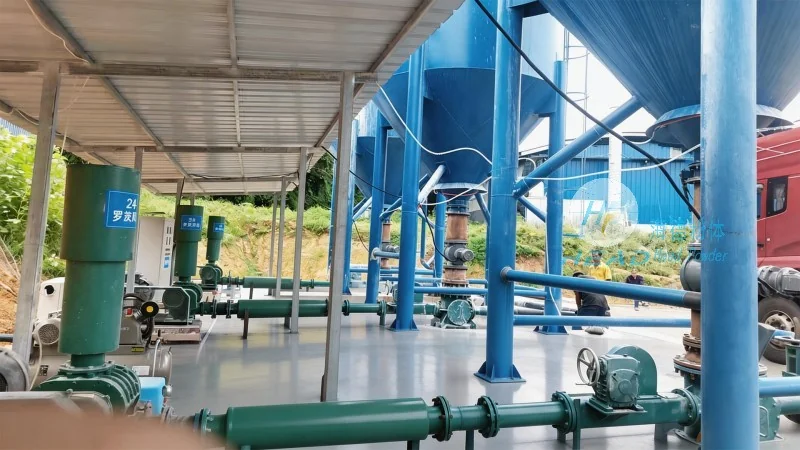
For example, if the flake graphite powder is fine and dry, a pneumatic system may be the most suitable due to its ability to handle fine particles without degradation. However, if the material is bulkier or requires short-distance transport, a mechanical system may be more cost-effective. The choice of system also depends on the scale of production—small-scale operations may opt for simpler mechanical systems, while large-scale industrial facilities may require complex hybrid systems.
Companies like Shandong HeadPowder Engineering Co., Ltd., with their expertise in graphite powder processing, can provide guidance on the most appropriate conveying method for specific applications. Their understanding of material properties and operational requirements allows them to recommend customized solutions that optimize performance and reduce costs.
Conclusion
Choosing the right flake graphite powder conveying method is essential for maintaining product quality, ensuring operational efficiency, and controlling costs. Pneumatic systems offer high efficiency and minimal degradation but at higher energy costs. Mechanical systems are more cost-effective but may cause more material damage and require more maintenance. Hybrid systems provide a balance between the two but are more complex and expensive. The optimal choice depends on the specific characteristics of the graphite powder and the operational needs of the user.
By carefully evaluating these factors and considering the expertise of companies like Shandong HeadPowder Engineering Co., Ltd., industrial users can select a conveying method that maximizes performance and minimizes operational challenges. This ensures smooth material handling, consistent product quality, and long-term operational success in the flake graphite powder industry.

 Công ty TNHH Kỹ thuật Công trình Bột Hải Đức Sơn Đông
 156-6277-7102(Quản lý Trương)
  0531-83386006
  Quận Chương Khâu, Thành phố Tế Nam, Tỉnh Sơn Đông, Trung Quốc
Điện thoại
WeChatTư vấn
Lên đầu