Công ty Hải Đức Bột với hơn 10 năm kinh nghiệm vận chuyển khí, cung cấp hệ thống‑thiết bị‑quạt gió và nhận dự án tổng thầu bột cả nước
When it comes to transporting bamboo powder, selecting the right conveying method is crucial for efficiency, cost-effectiveness, and product integrity. Various options are available, each with its own set of advantages and limitations. This article explores the different bamboo powder conveying methods, with a particular focus on the benefits and characteristics of pneumatic conveying, a popular choice in the industry.
Introduction to Bamboo Powder Conveying
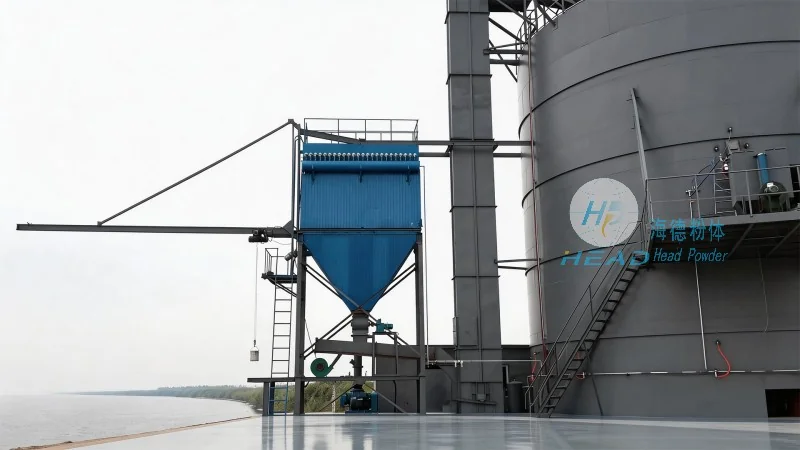
Bamboo powder, often used in manufacturing processes such as paper production, composite materials, and food products, requires reliable and efficient transportation from storage to processing units. Traditional methods like belt conveyors and screw conveyors have been widely used, but they may face challenges with fine powders, which can lead to issues like clogging, dust generation, and material degradation. Pneumatic conveying, on the other hand, offers a solution that addresses many of these challenges by utilizing air to move the powder through a system of pipes and components.
Common Conveying Methods for Bamboo Powder
Several methods are employed for bamboo powder transportation, including mechanical and pneumatic systems. Mechanical conveyors, such as belt conveyors and screw conveyors, are widely used due to their simplicity and cost-effectiveness. Belt conveyors use a continuous belt to transport material, while screw conveyors utilize a rotating screw to push the powder forward. However, these methods may struggle with fine bamboo powder, as the material can stick to the conveyor surfaces or cause blockages. Additionally, they often generate dust, which can affect air quality and worker safety.
Another mechanical option is the bucket elevator, which uses buckets attached to a chain or belt to lift and transport the powder vertically. While effective for vertical transport, bucket elevators can also experience issues with fine powders, particularly in terms of material flow and wear on components. These mechanical systems are generally suitable for bulk materials but may not be ideal for the delicate nature of bamboo powder.
Pneumatic Conveying: A Superior Solution

Pneumatic conveying stands out as a superior method for bamboo powder due to its ability to handle fine, dry powders efficiently and with minimal risk of contamination or degradation. This technology uses compressed air to create a flow that moves the powder through a closed system of pipes and valves. The key components of a pneumatic conveying system include a blower or compressor, a hopper for material storage, a feed mechanism, and a receiver for the delivered powder. The system can operate in either pressure or vacuum mode, depending on the specific application and distance of transport.
One of the primary advantages of pneumatic conveying is its ability to handle fine bamboo powder without clogging or sticking to equipment. The air flow ensures that the powder remains suspended and moves smoothly through the system, reducing the risk of blockages and downtime. This is particularly important for bamboo powder, which can be prone to agglomeration or static buildup. Additionally, pneumatic systems are enclosed, which helps contain dust and prevent environmental contamination, making them more suitable for industrial settings where air quality is a concern.
Key Advantages of Pneumatic Conveying for Bamboo Powder
Several key advantages make pneumatic conveying an attractive option for bamboo powder transportation. First, it offers high efficiency in terms of material handling, as the system can transport large volumes of powder over significant distances with minimal energy consumption. The enclosed design also reduces material loss and improves overall process control, ensuring that the powder reaches its destination in the desired condition. Another advantage is the ability to integrate with other processing equipment, such as mixers or reactors, allowing for seamless flow from storage to production.
Furthermore, pneumatic conveying systems are relatively easy to install and maintain, especially when compared to complex mechanical systems. The components are typically made of durable materials like stainless steel, which are resistant to corrosion and wear from the fine powder. This results in longer service life and lower maintenance costs over time. The flexibility of pneumatic systems also allows for adjustments to the conveying rate or distance, making them adaptable to changing production needs.
Features and Considerations for Pneumatic Conveying
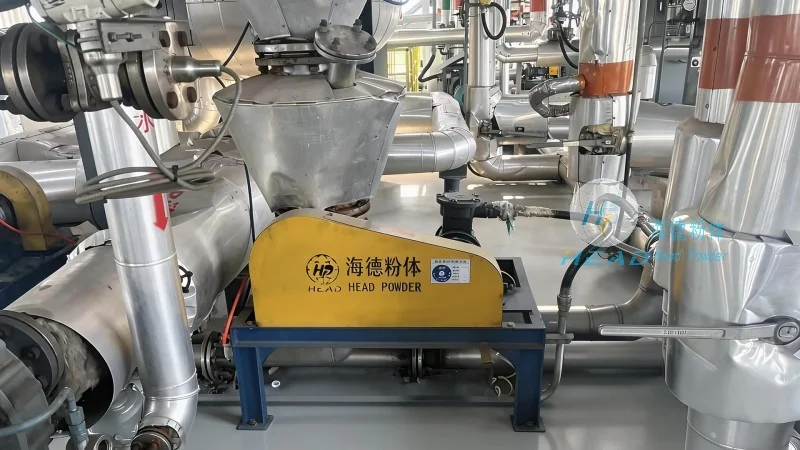
When implementing a pneumatic conveying system for bamboo powder, several features and considerations must be taken into account. The choice between pressure and vacuum systems depends on the distance and layout of the facility. Pressure systems are generally used for short to medium distances, while vacuum systems are more suitable for longer distances or when the powder needs to be transported from multiple sources to a central location. The system design also includes features like filters and cyclones to separate the powder from the air, ensuring that the powder is clean and free of contaminants before reaching the receiver.
Another important consideration is the material compatibility of the system components. Bamboo powder can be abrasive and may cause wear on metal surfaces over time. Therefore, using corrosion-resistant materials like stainless steel or special coatings on the pipes and valves is essential to maintain system performance and longevity. Additionally, the system should be equipped with proper safety features, such as pressure relief valves and dust collection systems, to prevent accidents and ensure compliance with industrial safety regulations.
Conclusion: Choosing the Right Conveying Method
In conclusion, the choice of bamboo powder conveying method depends on various factors, including the material characteristics, production scale, and operational requirements. While mechanical conveyors may be suitable for some applications, pneumatic conveying offers significant advantages in terms of efficiency, product integrity, and safety. For fine bamboo powder, pneumatic systems provide a reliable and effective solution that minimizes clogging, dust generation, and material degradation. By understanding the key features and considerations of pneumatic conveying, manufacturers can select the most appropriate system to meet their specific needs and optimize their production processes.

 Công ty TNHH Kỹ thuật Công trình Bột Hải Đức Sơn Đông
 156-6277-7102(Quản lý Trương)
  0531-83386006
  Quận Chương Khâu, Thành phố Tế Nam, Tỉnh Sơn Đông, Trung Quốc
Điện thoại
WeChatTư vấn
Lên đầu