Công ty Hải Đức Bột với hơn 10 năm kinh nghiệm vận chuyển khí, cung cấp hệ thống‑thiết bị‑quạt gió và nhận dự án tổng thầu bột cả nước
When it comes to transporting beans efficiently and reliably, selecting the right conveying method is crucial for optimizing production processes and maintaining product quality. Among the various options available, bean pneumatic conveying stands out as a highly effective solution, offering numerous advantages that make it a preferred choice for many industries. This article explores the different bean conveying methods and highlights the key benefits and characteristics of bean pneumatic conveying, providing valuable insights for businesses looking to enhance their material handling operations.
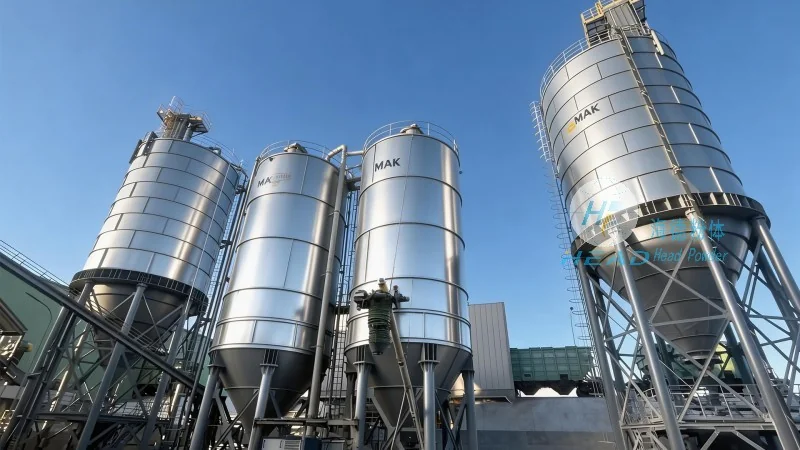
Understanding Bean Conveying Methods
Before delving into the specifics of bean pneumatic conveying, it's essential to understand the different types of bean conveying methods commonly used in industrial settings. Traditional methods such as belt conveyors, screw conveyors, and bucket elevators have been widely employed for decades. However, each of these methods has its own set of limitations, particularly when dealing with bulk materials like beans, which can be prone to breakage, dust generation, and uneven flow. In contrast, pneumatic conveying systems offer a more flexible and efficient approach to handling beans, making them increasingly popular in modern processing facilities.
What is Bean Pneumatic Conveying?
Bean pneumatic conveying, also known as pneumatic transport, is a method of transporting bulk materials, including beans, using a stream of air or gas. The process involves creating a pressure differential between the inlet and outlet of the system, which draws the material into a pipeline and transports it to the desired location. This technology is particularly well-suited for transporting beans due to their relatively light weight and the ability to handle them without causing damage or contamination.
The Advantages of Bean Pneumatic Conveying
One of the primary advantages of bean pneumatic conveying is its ability to handle beans in a gentle manner, minimizing the risk of breakage and preserving the quality of the product. Unlike mechanical conveyors that rely on physical contact and friction, pneumatic systems use air to move the material, reducing the likelihood of damage to delicate beans. This is especially important for high-value beans, such as coffee beans or specialty beans used in premium products, where maintaining quality is paramount.
Another significant advantage is the flexibility and versatility of pneumatic conveying systems. These systems can be easily integrated into existing production lines and can transport beans over long distances without the need for multiple transfer points. The ability to change the direction of flow or adjust the speed of the system allows for greater control over the conveying process, enabling businesses to adapt to varying production demands and operational requirements.
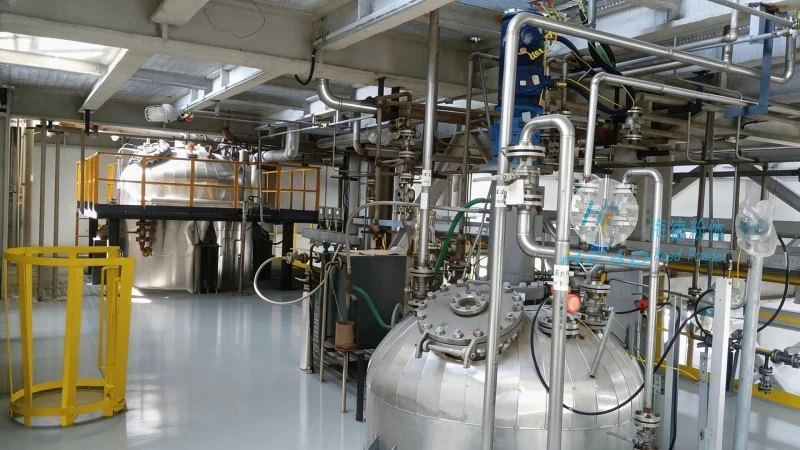
Furthermore, bean pneumatic conveying offers improved safety and hygiene compared to traditional methods. By eliminating the need for manual handling and reducing the risk of dust exposure, pneumatic systems help create a safer working environment for employees. The enclosed nature of the system also minimizes the risk of contamination from external sources, ensuring that the beans remain clean and free from impurities throughout the conveying process.
Key Features of Bean Pneumatic Conveying Systems
Bean pneumatic conveying systems typically consist of several key components, including a material feed hopper, a conveyor line, a dust collector, and a control system. The feed hopper is used to store and feed the beans into the system, while the conveyor line transports the material through the pipeline. The dust collector is essential for capturing any airborne particles and maintaining air quality, while the control system allows operators to monitor and adjust the system's performance in real-time.
One of the key features of these systems is the ability to handle a wide range of bean types and sizes. Whether dealing with whole beans, split beans, or ground beans, pneumatic conveying systems can be adjusted to accommodate different material characteristics. This flexibility makes them suitable for various applications, from raw bean processing to finished product packaging.
Additionally, bean pneumatic conveying systems are energy-efficient and cost-effective in the long run. By reducing the need for multiple mechanical components and minimizing downtime due to maintenance, these systems can lower operational costs and increase overall productivity. The initial investment in a pneumatic conveying system may be higher than traditional methods, but the long-term benefits in terms of efficiency and product quality often outweigh the initial costs.
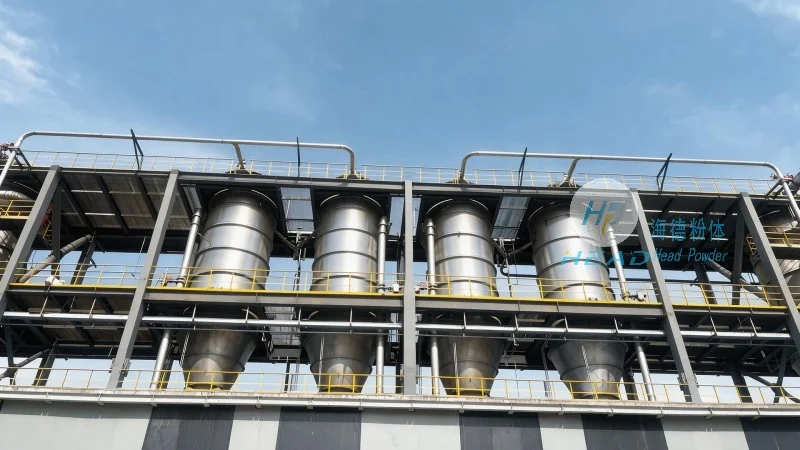
Applications of Bean Pneumatic Conveying
Bean pneumatic conveying is widely used in various industries, including food processing, agricultural processing, and manufacturing. In the food industry, it is commonly used for transporting coffee beans, cocoa beans, and other food-grade beans, ensuring that the products remain fresh and free from contamination. In agricultural processing, pneumatic systems are used to transport beans from storage facilities to processing plants, streamlining the supply chain and improving operational efficiency.
In manufacturing, bean pneumatic conveying is used in the production of bean-based products, such as snacks, beverages, and baked goods. The ability to handle beans in a gentle and efficient manner helps maintain the quality of the final products, which is crucial for meeting consumer demands and regulatory standards.
Conclusion
In conclusion, bean pneumatic conveying is a highly effective and versatile method for transporting beans, offering numerous advantages over traditional conveying methods. By minimizing damage to the product, improving operational efficiency, and enhancing safety and hygiene, pneumatic systems provide significant benefits for businesses in the bean processing industry. As technology continues to advance, the use of bean pneumatic conveying is likely to become even more prevalent, further revolutionizing the way beans are handled and processed. For businesses looking to optimize their material handling operations, investing in a bean pneumatic conveying system is a smart choice that can lead to improved productivity, higher product quality, and increased profitability.

 Công ty TNHH Kỹ thuật Công trình Bột Hải Đức Sơn Đông
 156-6277-7102(Quản lý Trương)
  0531-83386006
  Quận Chương Khâu, Thành phố Tế Nam, Tỉnh Sơn Đông, Trung Quốc
Điện thoại
WeChatTư vấn
Lên đầu